
Politics
Trump Declares Illicit Fentanyl a Weapon of Mass Destruction

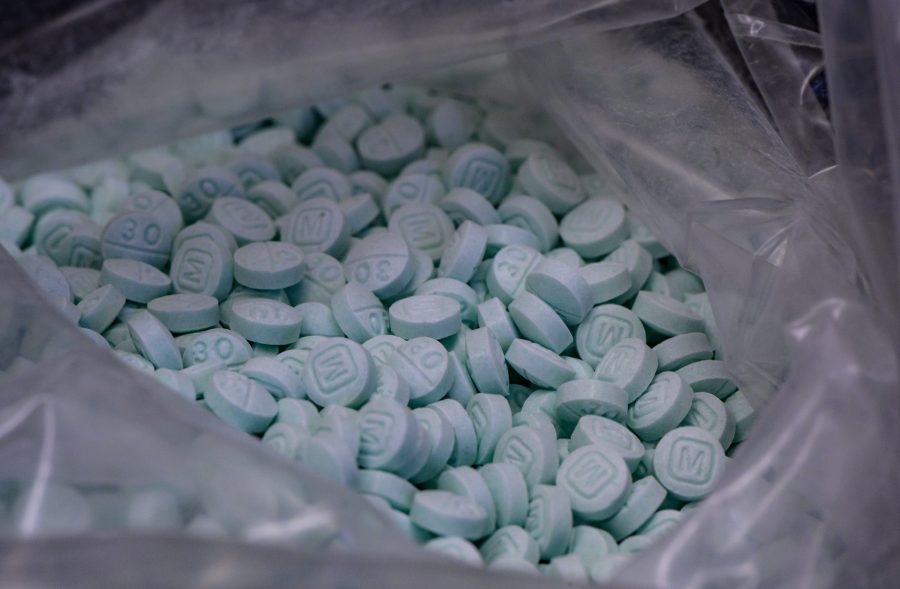
President Donald Trump has signed an executive order officially designating illicit fentanyl as a weapon of mass destruction. This significant move, made in September 2023, extends the classification to include precursor chemicals, such as Piperidone and other substances derived from it. The order emphasizes the severity of the fentanyl crisis, stating, “Illicit fentanyl is closer to a chemical weapon than a narcotic.”
The designation highlights the alarming potency of fentanyl, noting that as little as two milligrams—a trace amount—can be lethal. This classification aims to enhance law enforcement efforts in combating the growing threat posed by fentanyl and its derivatives, which have contributed to a surge in overdose deaths across the United States.
Implications for Law Enforcement and Public Health
The executive order reflects a broader strategy to address the opioid epidemic, which has claimed over 100,000 lives in the past year alone. By categorizing fentanyl as a weapon of mass destruction, authorities can leverage additional resources and legal frameworks typically reserved for addressing terrorism and chemical warfare. This may lead to more stringent penalties for those involved in the trafficking and distribution of fentanyl and its precursors.
The order also directs federal agencies to enhance collaboration with state and local law enforcement. The aim is to create a unified approach in tackling the fentanyl crisis, which has devastated communities nationwide. Law enforcement agencies will receive guidance on the collection and sharing of intelligence regarding the production and distribution of these dangerous substances.
International Context and Response
This declaration aligns with international concerns regarding the proliferation of synthetic opioids. Various countries are grappling with the challenges posed by illicit fentanyl, often sourced from clandestine laboratories. As part of the United States’ commitment to international cooperation, the order could prompt discussions about global efforts to regulate precursor chemicals under the Chemical Weapons Convention.
While the executive order has garnered support from some lawmakers and public health advocates, others caution against potential overreach. Critics argue that labeling fentanyl as a weapon of mass destruction could divert resources from more effective public health strategies, such as treatment and harm reduction programs.
As the United States grapples with the implications of this designation, the focus remains on finding a balance between stringent enforcement and addressing the root causes of addiction. The executive order marks a pivotal moment in the ongoing battle against the opioid crisis, underscoring the need for comprehensive solutions that prioritize public health alongside law enforcement efforts.
In summary, President Trump’s designation of illicit fentanyl as a weapon of mass destruction signals a significant shift in how the nation plans to combat the opioid epidemic. This executive order aims to provide law enforcement with the necessary tools to address a crisis that has affected countless lives across the nation.

Robinhood Stock Surges 2.5% Today Amid Tech Market Recovery

Philadelphia’s Earth Month Kicks Off with Free Events in Parks

GSK’s Inhaler Decision Sparks Health Concerns for Children

Bradford’s Fish Fry Fridays Offer Community Spirit and Flavor

Speculation Rises on Shutdowns During Trump’s Potential Presidency

Samsung Galaxy Watch 9 to Feature Larger Battery, Report Reveals

Inventors Find New Purpose Through Unconventional Paths

UConn Huskies Aim for Back-to-Back Titles in 2026 NCAA Tournament

U.S. Mine Countermeasure Ships Dock in Malaysia for Logistics Stop

University of Hawaiʻi at Mānoa Joins $25.6M AI Initiative for Disaster Monitoring

$2.2 Million Boost for Cancer Research and Training in Hawaiʻi

ALMA Discovers Companion Orbiting Red Giant Star π 1 Gruis

Sacituzumab Govitecan Shows Promise for HR+/HER2− Breast Cancer

币安人生 Sees $15.92 Million in Trading Volume Amid Market Fluctuations

New Gel Offers Hope for Regrowing Tooth Enamel in Dentistry

CAVA Group Shares Surge 5.1% Amid Mixed Analyst Ratings

Christian Bale in Talks to Join Leonardo DiCaprio in Heat 2

Supreme Court to Review Birthright Citizenship for Children of Immigrants
-
Science9 months ago
University of Hawaiʻi at Mānoa Joins $25.6M AI Initiative for Disaster Monitoring
-
 Health8 months ago
$2.2 Million Boost for Cancer Research and Training in Hawaiʻi
-
 Science9 months ago
ALMA Discovers Companion Orbiting Red Giant Star π 1 Gruis
-
 Health7 months ago
Sacituzumab Govitecan Shows Promise for HR+/HER2− Breast Cancer
-
Politics5 months ago
币安人生 Sees $15.92 Million in Trading Volume Amid Market Fluctuations
-
 Health9 months ago
New Gel Offers Hope for Regrowing Tooth Enamel in Dentistry
-
 Business8 months ago
CAVA Group Shares Surge 5.1% Amid Mixed Analyst Ratings
-
 Entertainment9 months ago
Christian Bale in Talks to Join Leonardo DiCaprio in Heat 2
-
 Politics8 months ago
Supreme Court to Review Birthright Citizenship for Children of Immigrants
-

 Lifestyle9 months ago
Art Deco and Traditional Designs Set to Transform Homes in 2026
-

 Lifestyle8 months ago
Fernando Mendoza Secures Maxwell and O’Brien Awards Ahead of Heisman
-

 World8 months ago
Swiss Residents Reject 50% Inheritance Tax on Wealthy