
Health
Lawmakers Face Pressure Over Health Care Subsidies and Abortion Issues

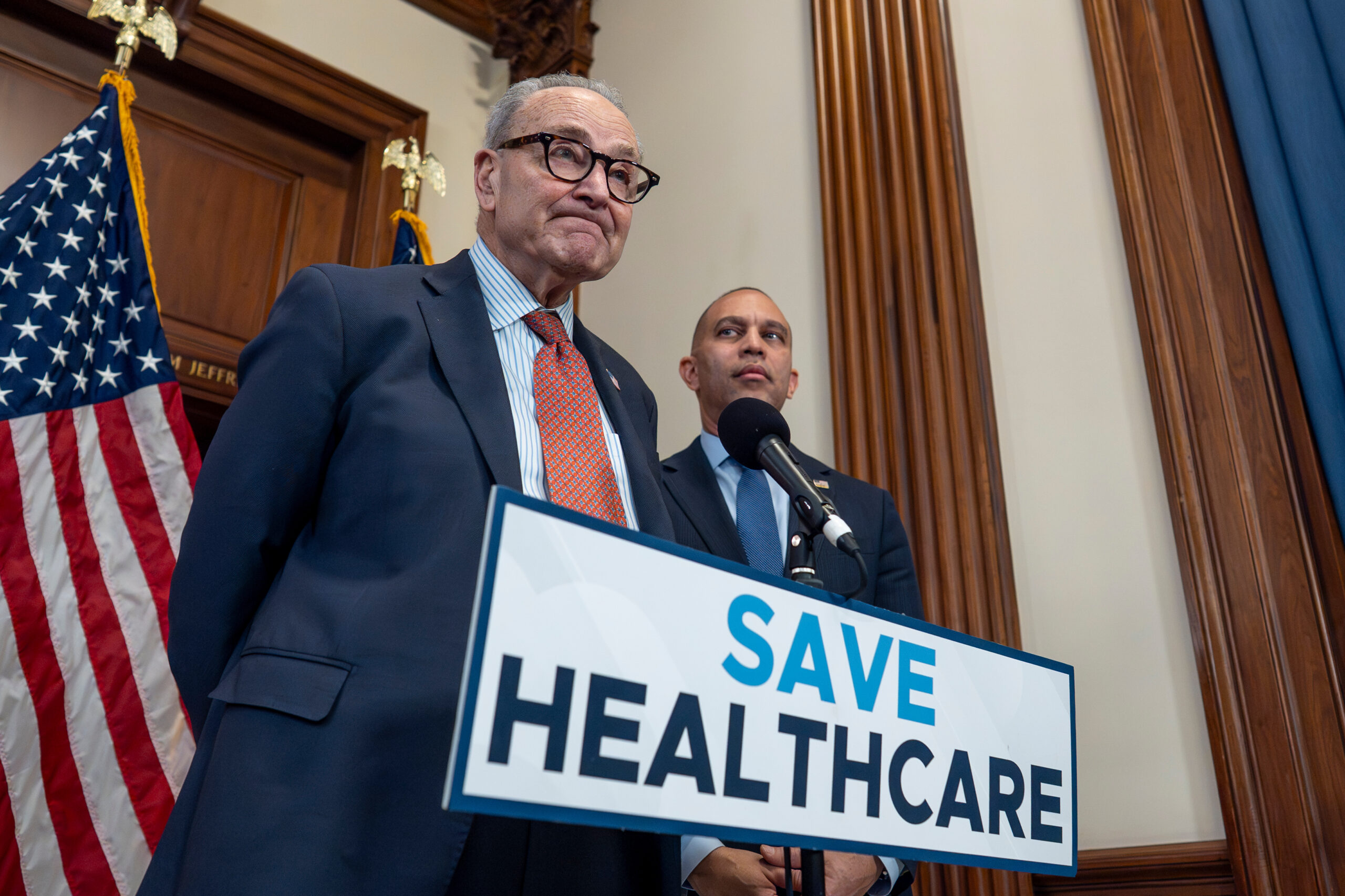
The debate over health care subsidies in the United States remains complicated, particularly due to the ongoing divide regarding abortion. Both abortion-rights and anti-abortion groups are actively warning lawmakers that their decisions on this issue could significantly impact their chances in the upcoming midterm elections.
As the U.S. Congress prepares to discuss potential reforms, the stakes are high. Abortion-rights advocates, including organizations such as Planned Parenthood, argue that access to health care should include comprehensive reproductive health services. They contend that any legislation that restricts this access could alienate voters who prioritize health care rights in the 2024 elections. Conversely, anti-abortion groups, represented by entities like the National Right to Life Committee, are equally adamant that lawmakers should uphold restrictions on funding for abortion services, framing it as a moral obligation.
The potential fallout from these competing interests was highlighted during a recent forum in Washington, D.C., where representatives from both sides issued stark warnings. They emphasized that lawmakers who do not align with their positions may face backlash from constituents. With midterm elections just around the corner, the pressure on legislators is intensifying.
Many voters express frustration over the perception that health care subsidies are tied to the abortion debate. According to a survey conducted by the Pew Research Center, approximately 60% of Americans believe that reproductive health services should be included in health care coverage. This statistic underscores the delicate balance lawmakers must maintain as they navigate this contentious issue.
The implications of the discussions extend beyond just health care. Lawmakers are aware that their stances on abortion could influence a broader spectrum of policies, particularly those related to women’s health and rights. As both sides prepare for a heated campaign season, the focus remains on how effectively they can communicate their messages to voters.
As they move forward, legislators must also consider the financial ramifications of their decisions. Federal health care subsidies, which amount to billions of dollars, are crucial for millions of Americans. Any changes to these programs could have lasting effects on public health and access to care, further complicating the political landscape.
In conclusion, with midterm elections approaching, the debate over health care subsidies and abortion rights is far from settled. Lawmakers are caught in a challenging position, balancing the demands of their constituents with the need to address critical health care issues. As the discussions unfold, both abortion-rights and anti-abortion groups will continue to exert pressure, ensuring that this topic remains at the forefront of political discourse.

Robinhood Stock Surges 2.5% Today Amid Tech Market Recovery

Philadelphia’s Earth Month Kicks Off with Free Events in Parks

GSK’s Inhaler Decision Sparks Health Concerns for Children

Bradford’s Fish Fry Fridays Offer Community Spirit and Flavor

Speculation Rises on Shutdowns During Trump’s Potential Presidency

Samsung Galaxy Watch 9 to Feature Larger Battery, Report Reveals

Inventors Find New Purpose Through Unconventional Paths

UConn Huskies Aim for Back-to-Back Titles in 2026 NCAA Tournament

U.S. Mine Countermeasure Ships Dock in Malaysia for Logistics Stop

University of Hawaiʻi at Mānoa Joins $25.6M AI Initiative for Disaster Monitoring

$2.2 Million Boost for Cancer Research and Training in Hawaiʻi

ALMA Discovers Companion Orbiting Red Giant Star π 1 Gruis

Sacituzumab Govitecan Shows Promise for HR+/HER2− Breast Cancer

币安人生 Sees $15.92 Million in Trading Volume Amid Market Fluctuations

New Gel Offers Hope for Regrowing Tooth Enamel in Dentistry

CAVA Group Shares Surge 5.1% Amid Mixed Analyst Ratings

Christian Bale in Talks to Join Leonardo DiCaprio in Heat 2

Supreme Court to Review Birthright Citizenship for Children of Immigrants
-
Science9 months ago
University of Hawaiʻi at Mānoa Joins $25.6M AI Initiative for Disaster Monitoring
-
 Health8 months ago
$2.2 Million Boost for Cancer Research and Training in Hawaiʻi
-
 Science9 months ago
ALMA Discovers Companion Orbiting Red Giant Star π 1 Gruis
-
 Health7 months ago
Sacituzumab Govitecan Shows Promise for HR+/HER2− Breast Cancer
-
Politics5 months ago
币安人生 Sees $15.92 Million in Trading Volume Amid Market Fluctuations
-
 Health9 months ago
New Gel Offers Hope for Regrowing Tooth Enamel in Dentistry
-
 Business8 months ago
CAVA Group Shares Surge 5.1% Amid Mixed Analyst Ratings
-
 Entertainment9 months ago
Christian Bale in Talks to Join Leonardo DiCaprio in Heat 2
-
 Politics8 months ago
Supreme Court to Review Birthright Citizenship for Children of Immigrants
-

 Lifestyle9 months ago
Art Deco and Traditional Designs Set to Transform Homes in 2026
-

 Lifestyle8 months ago
Fernando Mendoza Secures Maxwell and O’Brien Awards Ahead of Heisman
-

 World8 months ago
Swiss Residents Reject 50% Inheritance Tax on Wealthy