
Politics
South Korean Professor Warns Judicial Reforms Threaten Democracy

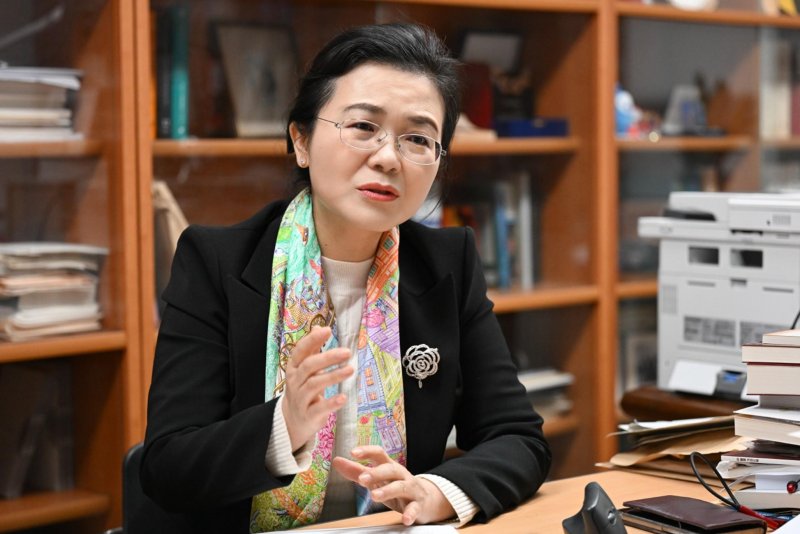
A law professor at Korea University cautioned that proposed judicial reforms in South Korea could undermine judicial independence and the separation of powers. On December 17, 2023, Cha Jin-ah, a specialist in constitutional law, expressed her concerns regarding a series of bills endorsed by the ruling party, stating, “unchecked power leads to dictatorship.”
While Cha agrees with some reform proposals, such as increasing the number of Supreme Court justices and establishing a court petition system, she worries that the details and the simultaneous processing of multiple bills suggest political motives that could consolidate power.
The reform package includes several significant changes: expanding the Supreme Court, creating an appellate court, establishing a special court for treason, introducing a new crime termed “distorting the law,” abolishing the court administration office, and forming a judicial administration committee. These changes have raised alarms among legal experts and civil rights advocates alike.
Concerns Over Potential Abuse of Power
In an interview conducted on Tuesday, December 17, Cha discussed the implications of the proposed reforms. Regarding the ruling party’s claim that expanding the Supreme Court and introducing a court petition system are essential reforms, she stated, “I agree in principle. Increasing the number of Supreme Court justices to some extent is necessary.” Cha suggested that adding approximately four justices could be appropriate, but a twelve-justice increase would double the current number and appear to be a blatant political maneuver.
Cha also criticized the proposed court petition system, describing it as “too naive.” She raised questions about the capacity of the Constitutional Court to handle a flood of petitions alleging violations of due process or fundamental rights. “If all final judgments were subject to constitutional review, how would the Constitutional Court filter them?” she asked.
Judicial Independence at Risk
The proposed special court for treason and the new crime of “distorting the law” have also drawn skepticism. Cha argued that the simultaneous push for these measures appears aimed at politically targeting opponents. “A special court for treason itself is unconstitutional,” she emphasized, warning that such a court would undermine the fairness of trials and lead to predetermined outcomes.
Moreover, Cha expressed that the crime of “distorting the law” is a barbaric notion, referencing Germany’s similar clause that was historically used to punish judges and prosecutors associated with the Nazi regime. “If adopted here, it will be exploited endlessly,” she cautioned, noting that the fear of criminal punishment could pressure officials to align with political authorities, creating a dictatorial environment.
Cha also addressed the moves to abolish the court administration office and create a judicial administration committee, stating, “Stripping judicial administrative authority from the courts is itself unconstitutional.” She argued that judicial power encompasses both adjudication and judicial administration, including case assignments and personnel matters.
As the ruling party holds a majority, Cha emphasized that public opinion is crucial to halt any legislative overreach. “Winning an election does not mean everything the ruling party does equals the people’s will,” she noted. She urged that democracy requires ongoing public engagement beyond election day.
The opposition, according to Cha, must also play a vital role in critiquing attempts to undermine the separation of powers. “The opposition’s failure to check power is significant,” she concluded, calling for a more active stance in presenting reasonable alternatives and visions for governance.
The ongoing debates around judicial reform in South Korea highlight the tensions between government authority and judicial independence, raising significant questions about the future of democracy in the country.

Robinhood Stock Surges 2.5% Today Amid Tech Market Recovery

Philadelphia’s Earth Month Kicks Off with Free Events in Parks

GSK’s Inhaler Decision Sparks Health Concerns for Children

Bradford’s Fish Fry Fridays Offer Community Spirit and Flavor

Speculation Rises on Shutdowns During Trump’s Potential Presidency

Samsung Galaxy Watch 9 to Feature Larger Battery, Report Reveals

Inventors Find New Purpose Through Unconventional Paths

UConn Huskies Aim for Back-to-Back Titles in 2026 NCAA Tournament

U.S. Mine Countermeasure Ships Dock in Malaysia for Logistics Stop

University of Hawaiʻi at Mānoa Joins $25.6M AI Initiative for Disaster Monitoring

$2.2 Million Boost for Cancer Research and Training in Hawaiʻi

ALMA Discovers Companion Orbiting Red Giant Star π 1 Gruis

Sacituzumab Govitecan Shows Promise for HR+/HER2− Breast Cancer

币安人生 Sees $15.92 Million in Trading Volume Amid Market Fluctuations

New Gel Offers Hope for Regrowing Tooth Enamel in Dentistry

CAVA Group Shares Surge 5.1% Amid Mixed Analyst Ratings

Christian Bale in Talks to Join Leonardo DiCaprio in Heat 2

Supreme Court to Review Birthright Citizenship for Children of Immigrants
-
Science9 months ago
University of Hawaiʻi at Mānoa Joins $25.6M AI Initiative for Disaster Monitoring
-
 Health8 months ago
$2.2 Million Boost for Cancer Research and Training in Hawaiʻi
-
 Science9 months ago
ALMA Discovers Companion Orbiting Red Giant Star π 1 Gruis
-
 Health7 months ago
Sacituzumab Govitecan Shows Promise for HR+/HER2− Breast Cancer
-
Politics5 months ago
币安人生 Sees $15.92 Million in Trading Volume Amid Market Fluctuations
-
 Health9 months ago
New Gel Offers Hope for Regrowing Tooth Enamel in Dentistry
-
 Business8 months ago
CAVA Group Shares Surge 5.1% Amid Mixed Analyst Ratings
-
 Entertainment9 months ago
Christian Bale in Talks to Join Leonardo DiCaprio in Heat 2
-
 Politics8 months ago
Supreme Court to Review Birthright Citizenship for Children of Immigrants
-

 Lifestyle9 months ago
Art Deco and Traditional Designs Set to Transform Homes in 2026
-

 Lifestyle8 months ago
Fernando Mendoza Secures Maxwell and O’Brien Awards Ahead of Heisman
-

 World8 months ago
Swiss Residents Reject 50% Inheritance Tax on Wealthy