
Top Stories
Fossilized Bones Uncover Ancient Ecosystems in Urgent Breakthrough

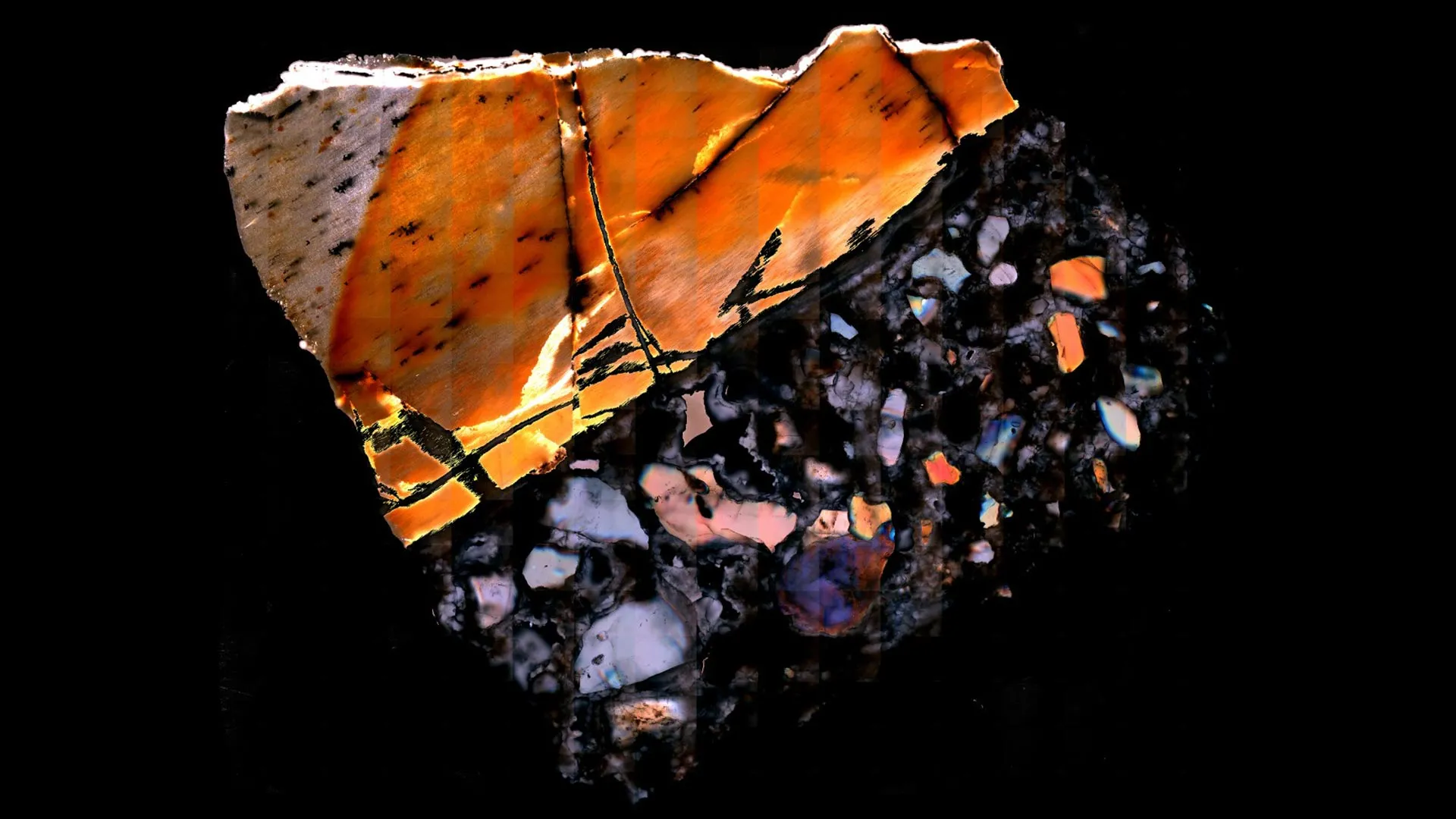
UPDATE: Researchers at New York University have made a groundbreaking discovery, unveiling thousands of preserved metabolic molecules in fossilized bones dating back 1.3 to 3 million years. This urgent development provides an unprecedented glimpse into ancient ecosystems, revealing critical insights into the diets, diseases, and climates of prehistoric animals.
According to findings published in the journal Nature, these remarkable fossilized remains indicate that the ancient environments were significantly warm and wet, contrasting sharply with today’s conditions. This research could redefine how scientists reconstruct past ecosystems, offering a fresh perspective on the interactions between climate and biodiversity.
Researchers, led by Timothy Bromage, professor of molecular pathobiology at NYU, utilized advanced metabolomics techniques to analyze fossils from regions in Tanzania, Malawi, and South Africa. The study identified thousands of metabolic signals that reveal not just the health and diet of these ancient creatures, but also the specific environmental conditions they experienced.
“This research shows that fossilized bones can retain metabolic information for millions of years,” Bromage explained. By examining the metabolic signals, scientists traced ancient climates and landscapes, determining factors such as temperature, soil conditions, and rainfall that shaped the habitats of these prehistoric animals.
In a striking find, the research team discovered a 1.8-million-year-old ground squirrel bone from Olduvai Gorge that exhibited signs of infection from the parasite Trypanosoma brucei, known for causing sleeping sickness in humans. This unprecedented evidence showcases how diseases affected ancient populations and illustrates their biological responses to environmental challenges.
The team successfully identified nearly 2,200 metabolites from both modern and ancient bones, establishing a connection between ancient diets and regional flora. For instance, compounds linked to plants such as aloe and asparagus were found in the remains of the ground squirrel, suggesting specific dietary habits that inform scientists about the ecological conditions of the time.
“This research allows us to build a narrative around each animal, reconstructing their environments with newfound detail,” Bromage stated. The evidence consistently points to ecosystems that were not only diverse but also thriving under warmer and wetter conditions than those currently experienced.
The implications of this study extend beyond mere curiosity; they offer vital lessons about how ancient ecosystems functioned and survived climate fluctuations. As climate change continues to challenge modern ecosystems, understanding these historical adaptations may provide invaluable insights for current conservation efforts.
The research team included experts from various institutions, including collaborations from France, Germany, and Canada, highlighting the international effort involved in this significant scientific endeavor. The project received support from The Leakey Foundation and resources from the National Institutes of Health.
With fossilized bones revealing secrets of a lost world, the scientific community watches closely as this groundbreaking methodology could reshape our understanding of ancient life and its environments. The urgency of these findings not only enhances our knowledge of the past but also serves as a crucial reminder of the delicate balance of ecosystems throughout history.
As this story continues to develop, the scientific community anticipates further research that may uncover even more about the life and environments of our ancient predecessors. Stay tuned for more updates as we track the ongoing impact of these revolutionary discoveries.

Robinhood Stock Surges 2.5% Today Amid Tech Market Recovery

Philadelphia’s Earth Month Kicks Off with Free Events in Parks

GSK’s Inhaler Decision Sparks Health Concerns for Children

Bradford’s Fish Fry Fridays Offer Community Spirit and Flavor

Speculation Rises on Shutdowns During Trump’s Potential Presidency

Samsung Galaxy Watch 9 to Feature Larger Battery, Report Reveals

Inventors Find New Purpose Through Unconventional Paths

UConn Huskies Aim for Back-to-Back Titles in 2026 NCAA Tournament

U.S. Mine Countermeasure Ships Dock in Malaysia for Logistics Stop

University of Hawaiʻi at Mānoa Joins $25.6M AI Initiative for Disaster Monitoring

$2.2 Million Boost for Cancer Research and Training in Hawaiʻi

ALMA Discovers Companion Orbiting Red Giant Star π 1 Gruis

Sacituzumab Govitecan Shows Promise for HR+/HER2− Breast Cancer

币安人生 Sees $15.92 Million in Trading Volume Amid Market Fluctuations

New Gel Offers Hope for Regrowing Tooth Enamel in Dentistry

CAVA Group Shares Surge 5.1% Amid Mixed Analyst Ratings

Christian Bale in Talks to Join Leonardo DiCaprio in Heat 2

Supreme Court to Review Birthright Citizenship for Children of Immigrants
-
Science9 months ago
University of Hawaiʻi at Mānoa Joins $25.6M AI Initiative for Disaster Monitoring
-
 Health7 months ago
$2.2 Million Boost for Cancer Research and Training in Hawaiʻi
-
 Science9 months ago
ALMA Discovers Companion Orbiting Red Giant Star π 1 Gruis
-
 Health7 months ago
Sacituzumab Govitecan Shows Promise for HR+/HER2− Breast Cancer
-
Politics5 months ago
币安人生 Sees $15.92 Million in Trading Volume Amid Market Fluctuations
-
 Health9 months ago
New Gel Offers Hope for Regrowing Tooth Enamel in Dentistry
-
 Business8 months ago
CAVA Group Shares Surge 5.1% Amid Mixed Analyst Ratings
-
 Entertainment9 months ago
Christian Bale in Talks to Join Leonardo DiCaprio in Heat 2
-
 Politics8 months ago
Supreme Court to Review Birthright Citizenship for Children of Immigrants
-

 Lifestyle8 months ago
Art Deco and Traditional Designs Set to Transform Homes in 2026
-

 Lifestyle8 months ago
Fernando Mendoza Secures Maxwell and O’Brien Awards Ahead of Heisman
-

 World8 months ago
Swiss Residents Reject 50% Inheritance Tax on Wealthy