
World
American Airlines Pursues Investment in Azul Following United Deal

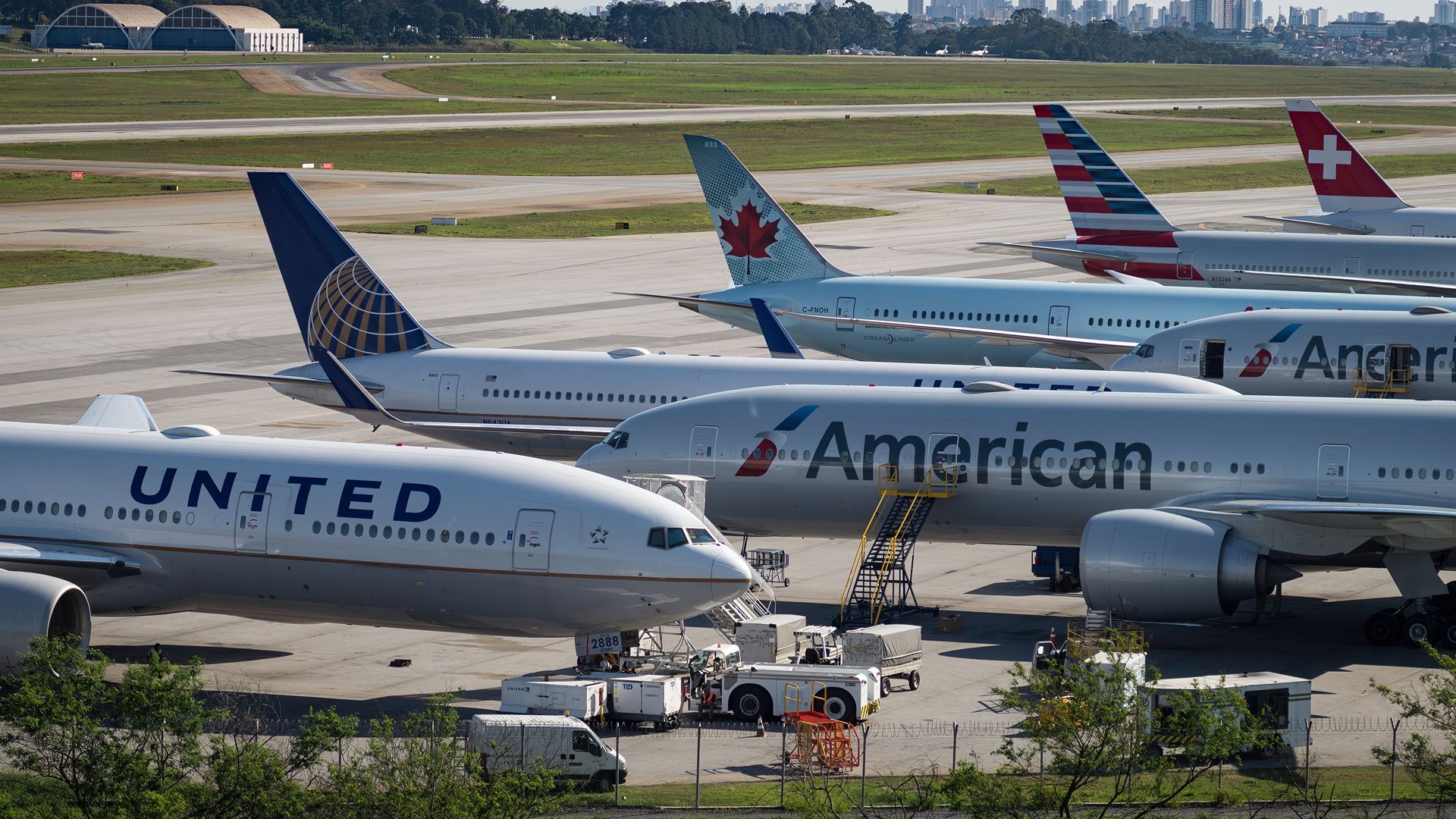
American Airlines is moving closer to finalizing an investment in Brazilian carrier Azul Linhas Aereas, following recent approval for a significant stake increase by United Airlines. United has secured clearance from Brazilian regulators to invest $100 million as part of Azul’s Chapter 11 restructuring process, which was initiated in June 2025. This development positions American Airlines to explore a similar financial commitment, potentially enhancing its operational footprint in Brazil.
Founded in 2008 by entrepreneur David Neeleman, who also established airlines such as WestJet and JetBlue, Azul has emerged as the third-largest domestic airline and the second-largest international carrier in Brazil. The airline is known for its unique business model that connects smaller cities with low fares, aiming to stimulate demand across under-served routes.
Investment Progress
As reported by Simple Flying, United Airlines’ investment in Azul has been long anticipated, given their decade-long partnership. Both airlines had previously agreed to jointly invest up to $300 million, which is crucial as Azul navigates through financial difficulties. The airline declared Chapter 11 bankruptcy in mid-2025 and is working to restructure its operations while continuing regular flight services.
While United’s involvement has been established, American Airlines faces complexities due to its existing partnership with GOL, a Brazilian airline that had once been in merger discussions with Azul. This situation underscores the competitive dynamics within the Brazilian aviation sector.
Azul’s financial challenges are significant; the airline is looking to raise equity to improve liquidity and reduce its substantial debt, which exceeds $2 billion. The restructuring plan includes seeking investor funding and conducting a public equity offering valued at approximately $650 million.
The US-Brazil Connection
The strategic alignment between United and Azul has been bolstered by their longstanding commercial partnership, which includes a codeshare agreement and reciprocal frequent flyer benefits. Additionally, Azul maintains a codeshare with JetBlue, further solidifying its market position.
The United States stands as the largest aircraft market for Brazilian manufacturer Embraer, which supplies regional jets to several US carriers. With around 45% of Embraer’s commercial aircraft sold in the US, and a significant portion of its executive jets also going to American buyers, the connection between US airlines and Brazilian aviation is mutually beneficial.
A strong presence in Brazil is vital for US airlines, especially as competitors like Delta Air Lines establish joint ventures with LATAM, the largest airline in Brazil and South America. The investments by American and United Airlines in Azul are particularly critical in this competitive landscape.
Azul’s Strategic Approach
Despite being a relatively young airline, Azul has rapidly expanded its market share through a targeted strategy of operating on low-demand routes with minimal competition. Rather than focusing on major urban centers like São Paulo, Azul has prioritized cities such as Belo Horizonte, Campinas, and Recife.
This approach aims to generate demand through convenient nonstop flights at competitive prices. While this business model has proven effective, Azul has encountered financial setbacks attributed to fluctuating currency exchange rates, high debt from the COVID-19 pandemic, and rising operational expenses.
As of now, Azul operates a diverse fleet that includes 173 aircraft, featuring models from Airbus and Embraer. The carrier’s ability to navigate its current financial restructuring will be critical as it aims to emerge from bankruptcy in February 2026 with a more stable financial foundation.
The developments surrounding American Airlines’ potential investment in Azul highlight the ongoing evolution of the aviation market in Brazil, which remains pivotal for both passenger and cargo transport in South America.

Robinhood Stock Surges 2.5% Today Amid Tech Market Recovery

Philadelphia’s Earth Month Kicks Off with Free Events in Parks

GSK’s Inhaler Decision Sparks Health Concerns for Children

Bradford’s Fish Fry Fridays Offer Community Spirit and Flavor

Speculation Rises on Shutdowns During Trump’s Potential Presidency

Samsung Galaxy Watch 9 to Feature Larger Battery, Report Reveals

Inventors Find New Purpose Through Unconventional Paths

UConn Huskies Aim for Back-to-Back Titles in 2026 NCAA Tournament

U.S. Mine Countermeasure Ships Dock in Malaysia for Logistics Stop

University of Hawaiʻi at Mānoa Joins $25.6M AI Initiative for Disaster Monitoring

$2.2 Million Boost for Cancer Research and Training in Hawaiʻi

ALMA Discovers Companion Orbiting Red Giant Star π 1 Gruis

Sacituzumab Govitecan Shows Promise for HR+/HER2− Breast Cancer

币安人生 Sees $15.92 Million in Trading Volume Amid Market Fluctuations

New Gel Offers Hope for Regrowing Tooth Enamel in Dentistry

CAVA Group Shares Surge 5.1% Amid Mixed Analyst Ratings

Christian Bale in Talks to Join Leonardo DiCaprio in Heat 2

Supreme Court to Review Birthright Citizenship for Children of Immigrants
-
Science9 months ago
University of Hawaiʻi at Mānoa Joins $25.6M AI Initiative for Disaster Monitoring
-
 Health7 months ago
$2.2 Million Boost for Cancer Research and Training in Hawaiʻi
-
 Science9 months ago
ALMA Discovers Companion Orbiting Red Giant Star π 1 Gruis
-
 Health7 months ago
Sacituzumab Govitecan Shows Promise for HR+/HER2− Breast Cancer
-
Politics5 months ago
币安人生 Sees $15.92 Million in Trading Volume Amid Market Fluctuations
-
 Health9 months ago
New Gel Offers Hope for Regrowing Tooth Enamel in Dentistry
-
 Business8 months ago
CAVA Group Shares Surge 5.1% Amid Mixed Analyst Ratings
-
 Entertainment9 months ago
Christian Bale in Talks to Join Leonardo DiCaprio in Heat 2
-
 Politics8 months ago
Supreme Court to Review Birthright Citizenship for Children of Immigrants
-

 Lifestyle8 months ago
Art Deco and Traditional Designs Set to Transform Homes in 2026
-

 Lifestyle8 months ago
Fernando Mendoza Secures Maxwell and O’Brien Awards Ahead of Heisman
-

 World8 months ago
Swiss Residents Reject 50% Inheritance Tax on Wealthy