
Health
NHS Urged to Implement Independent Reviews for Dismissals

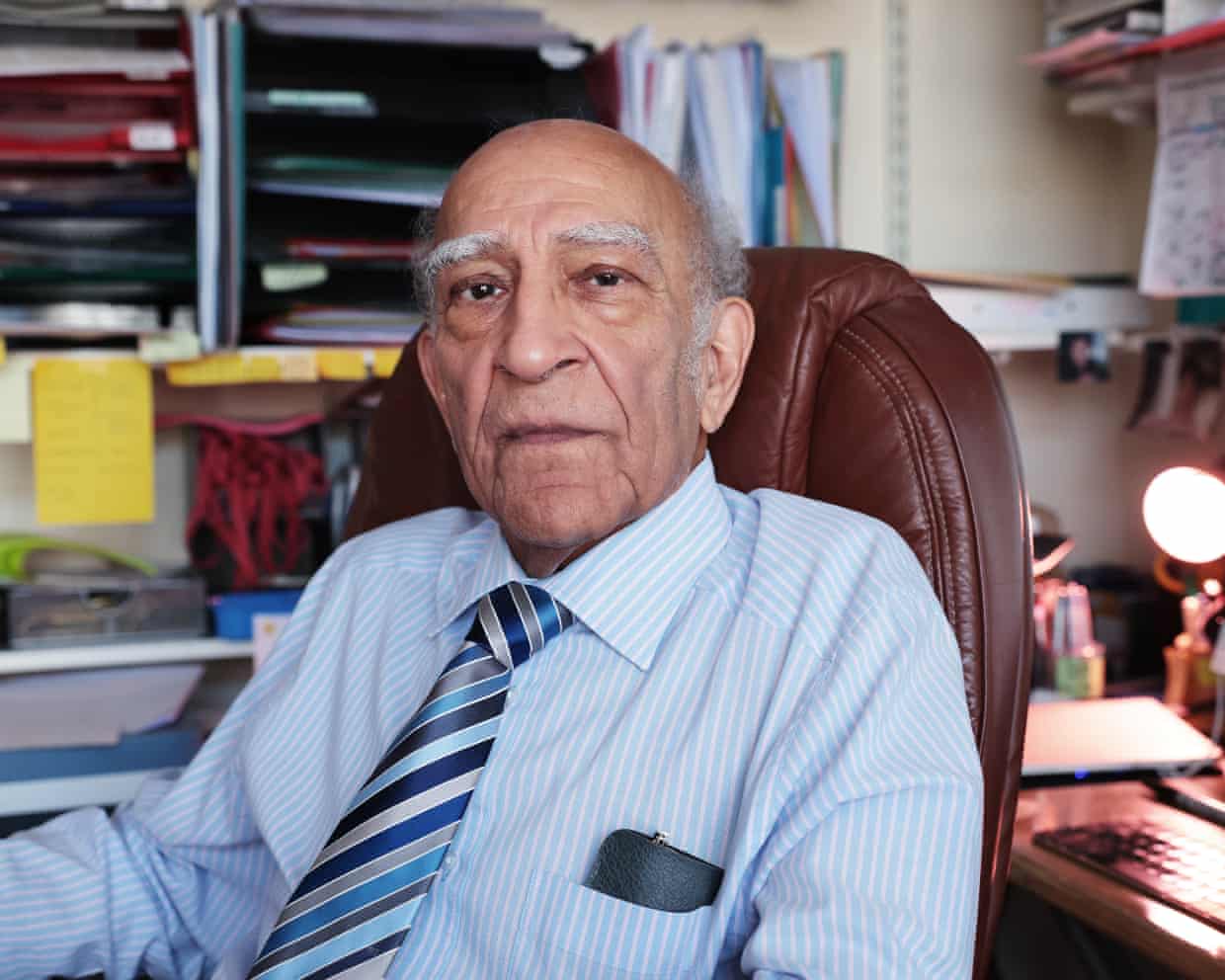
NHS England is facing calls to introduce an independent second opinion process for dismissals of healthcare professionals. This initiative is prompted by the tragic case of Amin Abdullah, a nurse who took his own life in 2016 after what many deemed an unfair dismissal. Dr. Narinder Kapur, a whistleblower and consultant neuropsychologist, is advocating for this measure, which he has termed “Amin’s rule,” to enhance staff wellbeing across the NHS.
Dr. Kapur, 76, has a personal stake in this issue. He was dismissed from his position at Addenbrooke’s Hospital in Cambridge in 2010 after raising concerns regarding staff shortages and the presence of unqualified personnel. Following a lengthy legal battle that cost him approximately £300,000, he secured a ruling from an employment tribunal confirming that his dismissal was indeed unfair. Dr. Kapur used his savings from the sale of his home and his NHS pension to fund the case.
In recent discussions with senior NHS officials, including Jim Mackey, the chief executive of NHS England, Dr. Kapur highlighted the potential benefits of a second external opinion during dismissal proceedings. He stated, “If they had a second external opinion when Abdullah had his kangaroo court or when I had my kangaroo court, that external person would almost certainly not have approved his unfair dismissal or my unfair dismissal.”
Dr. Kapur emphasized the link between staff wellbeing and patient care, arguing that a culture of fear, particularly for whistleblowers and minority ethnic staff, negatively impacts the quality of healthcare. Recent statistics indicate that healthcare professionals from minority backgrounds face a higher likelihood of disciplinary action compared to their white colleagues.
Amin Abdullah’s situation illustrates this concern. He was suspended from Charing Cross Hospital after signing a petition supporting a colleague, which followed a patient complaint. An independent inquiry, which Dr. Kapur played a role in instigating, concluded in 2018 that Abdullah had been “treated unfairly” by the Imperial College Healthcare NHS Trust, despite acknowledging that Abdullah should have been more cautious in signing the petition.
Dr. Kapur, who is involved with the advocacy group Justice for Doctors, is also pushing for comprehensive protections for all healthcare staff. He proposes that the framework for maintaining high professional standards, currently applicable to doctors and dentists, should be extended to all professionals within the NHS. Furthermore, he suggests restructuring the Care Quality Commission to separate responsibilities for patient care and staff treatment.
“External scrutiny of trusts and private healthcare bodies is essential, especially regarding how they handle whistleblowers and staff from black and minority ethnic backgrounds,” Dr. Kapur stated. He expressed concern about the frequent use of the “some other substantial reason” (SOSR) legal mechanism, which allows organizations to dismiss employees for reasons unrelated to conduct or capability. Between April 2010 and September 2018, the NHS dismissed over 10,600 staff using this method, often citing relational breakdowns as justification.
Dr. Kapur’s aim is clear: he wants to prevent future occurrences of what happened to him and Abdullah. “If I can do things to ensure that what happened to me and Abdullah won’t happen to people in the future, I will do so until there are meaningful improvements,” he asserted.
In response to these calls for reform, an NHS England spokesperson confirmed ongoing collaboration with the Department of Health and Social Care to bolster protections for whistleblowers. They stated, “It is completely unacceptable for any member of staff to feel silenced or unable to speak up about issues affecting them or their patients.” The spokesperson encouraged anyone with concerns to reach out to the designated Freedom to Speak Up guardian within their organization, emphasizing the NHS’s commitment to learning from past mistakes.
For those in crisis, support services are available globally. In the UK and Ireland, individuals can contact Samaritans at freephone 116 123. In the United States, the 988 Suicide & Crisis Lifeline can be reached at 988, while in Australia, Lifeline is available at 13 11 14. Further international helplines can be found at befrienders.org.

Robinhood Stock Surges 2.5% Today Amid Tech Market Recovery

Philadelphia’s Earth Month Kicks Off with Free Events in Parks

GSK’s Inhaler Decision Sparks Health Concerns for Children

Bradford’s Fish Fry Fridays Offer Community Spirit and Flavor

Speculation Rises on Shutdowns During Trump’s Potential Presidency

Samsung Galaxy Watch 9 to Feature Larger Battery, Report Reveals

Inventors Find New Purpose Through Unconventional Paths

UConn Huskies Aim for Back-to-Back Titles in 2026 NCAA Tournament

U.S. Mine Countermeasure Ships Dock in Malaysia for Logistics Stop

University of Hawaiʻi at Mānoa Joins $25.6M AI Initiative for Disaster Monitoring

$2.2 Million Boost for Cancer Research and Training in Hawaiʻi

ALMA Discovers Companion Orbiting Red Giant Star π 1 Gruis

Sacituzumab Govitecan Shows Promise for HR+/HER2− Breast Cancer

币安人生 Sees $15.92 Million in Trading Volume Amid Market Fluctuations

New Gel Offers Hope for Regrowing Tooth Enamel in Dentistry

CAVA Group Shares Surge 5.1% Amid Mixed Analyst Ratings

Christian Bale in Talks to Join Leonardo DiCaprio in Heat 2

Supreme Court to Review Birthright Citizenship for Children of Immigrants
-
Science9 months ago
University of Hawaiʻi at Mānoa Joins $25.6M AI Initiative for Disaster Monitoring
-
 Health7 months ago
$2.2 Million Boost for Cancer Research and Training in Hawaiʻi
-
 Science9 months ago
ALMA Discovers Companion Orbiting Red Giant Star π 1 Gruis
-
 Health7 months ago
Sacituzumab Govitecan Shows Promise for HR+/HER2− Breast Cancer
-
Politics5 months ago
币安人生 Sees $15.92 Million in Trading Volume Amid Market Fluctuations
-
 Health9 months ago
New Gel Offers Hope for Regrowing Tooth Enamel in Dentistry
-
 Business8 months ago
CAVA Group Shares Surge 5.1% Amid Mixed Analyst Ratings
-
 Entertainment8 months ago
Christian Bale in Talks to Join Leonardo DiCaprio in Heat 2
-
 Politics8 months ago
Supreme Court to Review Birthright Citizenship for Children of Immigrants
-

 Lifestyle8 months ago
Art Deco and Traditional Designs Set to Transform Homes in 2026
-

 Lifestyle8 months ago
Fernando Mendoza Secures Maxwell and O’Brien Awards Ahead of Heisman
-

 World8 months ago
Swiss Residents Reject 50% Inheritance Tax on Wealthy