
Politics
Americans Divided on U.S. Military Action in Venezuela

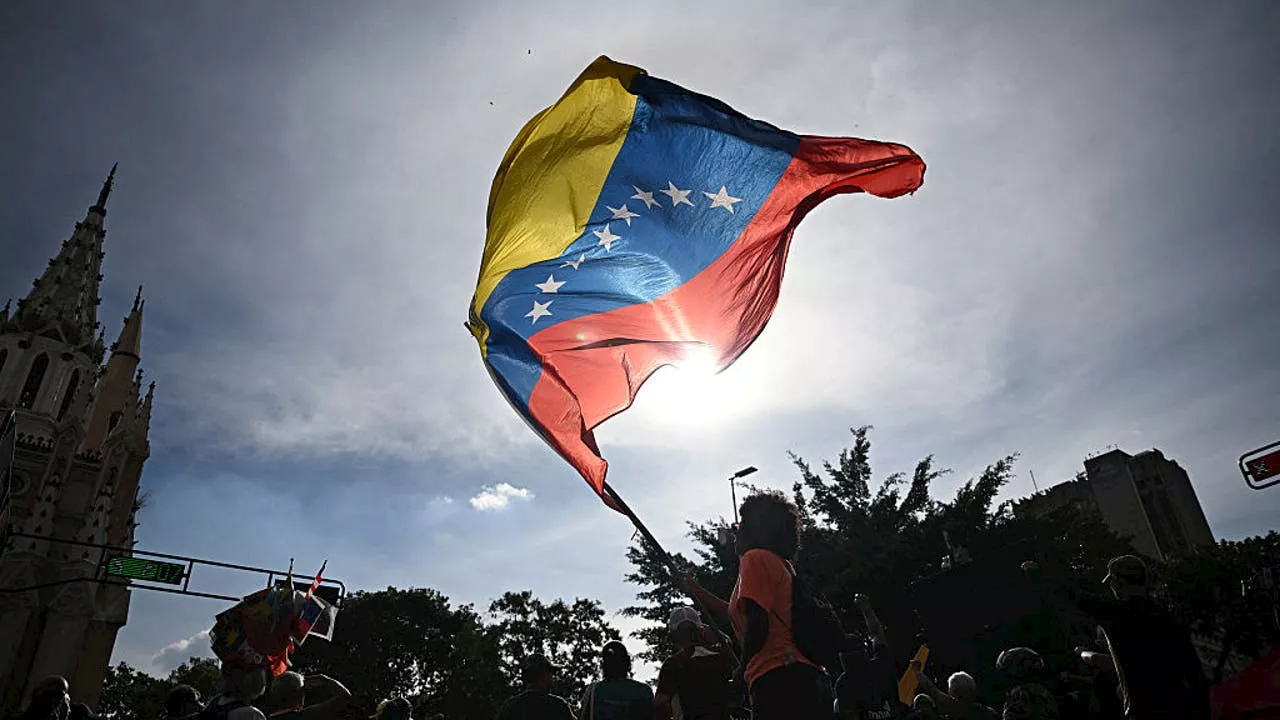
Recent polling indicates that American public opinion is sharply divided regarding potential U.S. military intervention in Venezuela. As discussions about the possibility of capturing President Nicolás Maduro gain traction, many Americans express hesitations about deeper involvement in the country’s affairs. Despite some initial support from Republicans for military action, the overall sentiment leans against the U.S. taking a more aggressive stance.
A survey conducted by The Washington Post and SSRS revealed that approximately four in ten respondents approve of sending U.S. military forces to capture Maduro, while an equal number oppose the action. Around twenty percent remain undecided. The divide is particularly evident along party lines, with a majority of Republicans supporting intervention, whereas Democrats largely oppose it.
Public sentiment resonates with concerns about U.S. control over Venezuela’s future government. Nearly 45% of respondents expressed disapproval of the U.S. taking control of the country and selecting a new government. Furthermore, about 90% of Americans believe that the Venezuelan people should determine their own leadership. This perspective underscores a widespread hesitance to engage in what many perceive as interference in another nation’s sovereignty.
Polling data from December 2023, conducted by Quinnipiac, further illustrated this division. Approximately 60% of registered voters opposed military action in Venezuela, with Republicans split: half in favor and one-third against. This ambivalence raises questions about the administration’s clarity regarding its plans for Venezuela following any potential military action.
President Donald Trump has hinted at a more significant U.S. role in Venezuela, stating that the country could be “run” by the United States after Maduro’s ouster. However, specific plans have not been articulated, leaving many lawmakers and former officials questioning the administration’s strategy for post-Maduro governance. Contradictory statements from Trump and Secretary of State Marco Rubio have only added to the uncertainty, with suggestions that the U.S. might control Venezuelan power while allowing Maduro’s subordinates to maintain some leadership roles.
This lack of clarity has raised concerns among analysts and political observers. Current U.S. officials, speaking on condition of anonymity, noted that if there were plans for a military occupation or a transitional civilian government, these discussions were limited to a small circle of political allies close to Trump. They emphasized that traditional decision-making processes have been set aside, with no evidence of preparations for a military or civilian governing authority, a significant departure from practices of previous administrations.
In a recent court appearance, Maduro declared himself “the constitutional president” of Venezuela, pleading not guilty to federal drug trafficking charges, which the Trump administration used as justification for removing him from power. The indictment accuses Maduro and his associates of collaborating with drug cartels to smuggle large quantities of cocaine into the United States. If convicted, they face potential life sentences.
As the situation unfolds, key figures like Senator Chuck Schumer have voiced strong opposition to U.S. actions in Venezuela. Schumer labeled the operation to capture Maduro as unlawful, emphasizing the need for Congressional authorization and questioning the feasibility of repairing the country’s damaged infrastructure post-intervention.
The political landscape surrounding U.S. intervention in Venezuela remains complex, with various factions holding differing views on military involvement and governance. As the administration navigates these challenges, public opinion will likely play a critical role in shaping future actions and policies regarding Venezuela.

Robinhood Stock Surges 2.5% Today Amid Tech Market Recovery

Philadelphia’s Earth Month Kicks Off with Free Events in Parks

GSK’s Inhaler Decision Sparks Health Concerns for Children

Bradford’s Fish Fry Fridays Offer Community Spirit and Flavor

Speculation Rises on Shutdowns During Trump’s Potential Presidency

Samsung Galaxy Watch 9 to Feature Larger Battery, Report Reveals

Inventors Find New Purpose Through Unconventional Paths

UConn Huskies Aim for Back-to-Back Titles in 2026 NCAA Tournament

U.S. Mine Countermeasure Ships Dock in Malaysia for Logistics Stop

University of Hawaiʻi at Mānoa Joins $25.6M AI Initiative for Disaster Monitoring

$2.2 Million Boost for Cancer Research and Training in Hawaiʻi

ALMA Discovers Companion Orbiting Red Giant Star π 1 Gruis

Sacituzumab Govitecan Shows Promise for HR+/HER2− Breast Cancer

币安人生 Sees $15.92 Million in Trading Volume Amid Market Fluctuations

New Gel Offers Hope for Regrowing Tooth Enamel in Dentistry

CAVA Group Shares Surge 5.1% Amid Mixed Analyst Ratings

Christian Bale in Talks to Join Leonardo DiCaprio in Heat 2

Supreme Court to Review Birthright Citizenship for Children of Immigrants
-
Science9 months ago
University of Hawaiʻi at Mānoa Joins $25.6M AI Initiative for Disaster Monitoring
-
 Health7 months ago
$2.2 Million Boost for Cancer Research and Training in Hawaiʻi
-
 Science9 months ago
ALMA Discovers Companion Orbiting Red Giant Star π 1 Gruis
-
 Health7 months ago
Sacituzumab Govitecan Shows Promise for HR+/HER2− Breast Cancer
-
Politics5 months ago
币安人生 Sees $15.92 Million in Trading Volume Amid Market Fluctuations
-
 Health9 months ago
New Gel Offers Hope for Regrowing Tooth Enamel in Dentistry
-
 Business8 months ago
CAVA Group Shares Surge 5.1% Amid Mixed Analyst Ratings
-
 Entertainment8 months ago
Christian Bale in Talks to Join Leonardo DiCaprio in Heat 2
-
 Politics8 months ago
Supreme Court to Review Birthright Citizenship for Children of Immigrants
-

 Lifestyle8 months ago
Art Deco and Traditional Designs Set to Transform Homes in 2026
-

 Lifestyle8 months ago
Fernando Mendoza Secures Maxwell and O’Brien Awards Ahead of Heisman
-

 World8 months ago
Swiss Residents Reject 50% Inheritance Tax on Wealthy