
Health
Federal Vaccine Schedule Cuts Raise Concerns for Maine Children

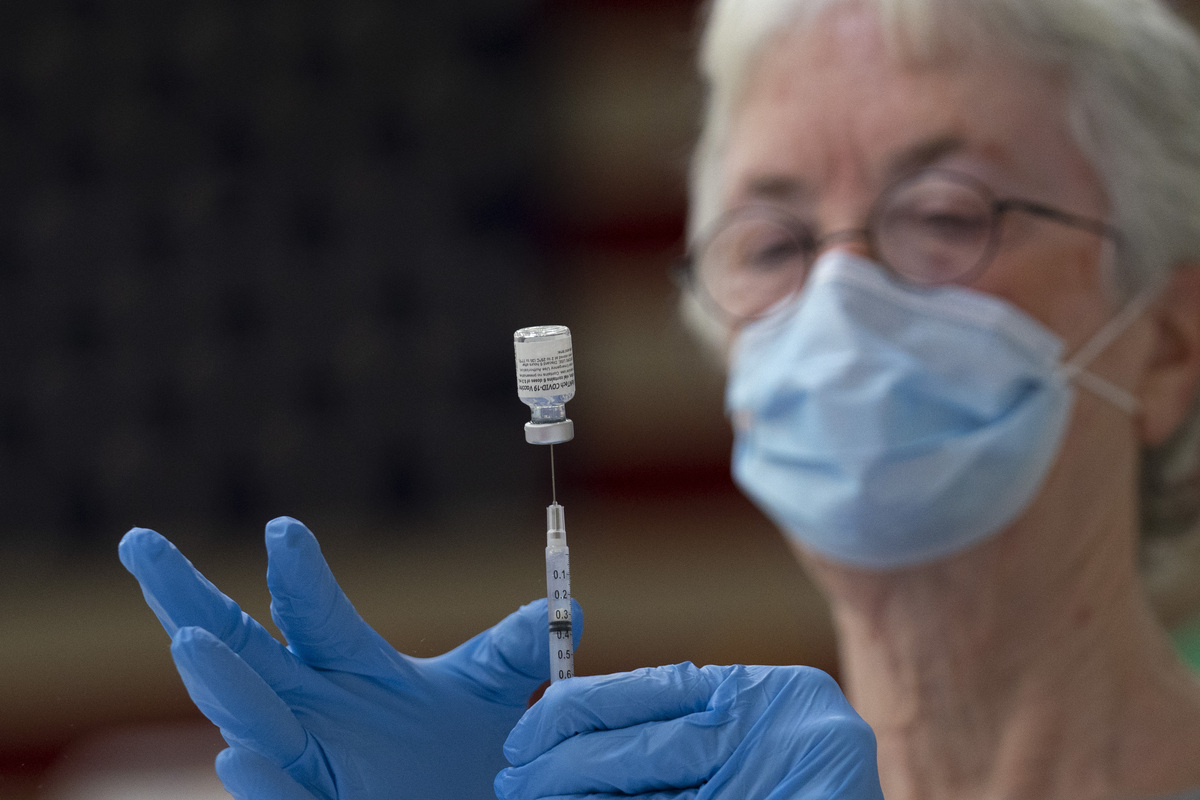
Federal health officials recently announced significant changes to the vaccine schedule that could jeopardize the health of children in Maine. The decision by the Centers for Disease Control and Prevention (CDC) has reduced the number of vaccines routinely recommended for children from 18 to just 11, without engaging in a transparent scientific review or consulting with medical experts. This move has raised alarms among health professionals, particularly as the state grapples with a severe flu season.
Dr. James Jarvis, president of the Maine Medical Association, which represents over 4,500 physicians, residents, and medical students, expressed deep concern over these changes. The medical community’s stance is clear: this is not a political issue but a medical one, firmly rooted in a commitment to children’s health. Dr. Jarvis emphasized that the timing of this announcement is especially troubling given the recent rise in flu cases and the resurgence of diseases like whooping cough and measles as vaccination rates decline.
The CDC’s decision to exclude vaccines for influenza, COVID-19, hepatitis A and B, rotavirus, and meningococcal disease from universal recommendations was based on a comparison with Denmark’s immunization schedule. However, Dr. Jarvis argues that the United States has a larger and more diverse population, with distinct health challenges. He pointed out that Denmark’s schedule was tailored to its specific circumstances, and the same approach should apply to the United States.
The Advisory Committee on Immunization Practices, which traditionally operates through open public forums, has developed the U.S. vaccine schedule through rigorous scientific consensus involving pediatricians, infectious disease specialists, and epidemiologists. This established process has been bypassed, leading to sweeping changes based solely on a brief international comparison. Such alterations risk creating confusion among healthcare providers and parents alike.
Healthcare professionals in Maine witness firsthand the consequences of vaccine-preventable diseases. They have treated infants hospitalized with rotavirus and teenagers suffering from meningococcal disease. The loss of children to preventable illnesses is not just data; these are real lives affected. Vaccination has historically led to fewer pediatric hospitalizations and is regarded as one of the greatest public health achievements, saving millions of lives.
The federal reclassification of some vaccines as requiring “shared clinical decision-making” raises concerns about the perceived importance of these vaccines. This could lead parents to question the necessity of vaccines, creating further confusion. In response, healthcare providers encourage parents to trust their pediatricians, who possess the medical expertise to guide immunization decisions tailored to individual health needs.
Despite these federal changes, the Maine Medical Association will continue to uphold evidence-based immunization requirements for school attendance. These requirements remain unaffected by the recent federal decisions. Additionally, insurance coverage for previously recommended vaccines will persist through at least 2026, ensuring that families have access to essential vaccinations via programs like Vaccines for Children, Medicaid, and the Children’s Health Insurance Program.
Dr. Jarvis acknowledges the challenges these changes present for physicians, who will likely face more inquiries and uncertainty from concerned parents. Nevertheless, he emphasizes the importance of maintaining clear communication and a steadfast commitment to evidence-based care.
To parents and guardians in Maine, Dr. Jarvis reassures that while vaccination decisions can be overwhelming amidst conflicting messages, the science supporting childhood immunizations is robust and continually evaluated. The vaccines recommended by healthcare professionals are safe, effective, and crucial in safeguarding children’s health and the broader community.
This moment calls for prioritizing children’s well-being over political agendas and ensuring that scientific evidence guides health decisions. The Maine medical community remains dedicated to providing families with the trustworthy guidance they deserve, reinforcing their commitment to follow the science and advocate for access to vaccinations that protect against preventable diseases.

Robinhood Stock Surges 2.5% Today Amid Tech Market Recovery

Philadelphia’s Earth Month Kicks Off with Free Events in Parks

GSK’s Inhaler Decision Sparks Health Concerns for Children

Bradford’s Fish Fry Fridays Offer Community Spirit and Flavor

Speculation Rises on Shutdowns During Trump’s Potential Presidency

Samsung Galaxy Watch 9 to Feature Larger Battery, Report Reveals

Inventors Find New Purpose Through Unconventional Paths

UConn Huskies Aim for Back-to-Back Titles in 2026 NCAA Tournament

U.S. Mine Countermeasure Ships Dock in Malaysia for Logistics Stop

University of Hawaiʻi at Mānoa Joins $25.6M AI Initiative for Disaster Monitoring

$2.2 Million Boost for Cancer Research and Training in Hawaiʻi

ALMA Discovers Companion Orbiting Red Giant Star π 1 Gruis

Sacituzumab Govitecan Shows Promise for HR+/HER2− Breast Cancer

币安人生 Sees $15.92 Million in Trading Volume Amid Market Fluctuations

New Gel Offers Hope for Regrowing Tooth Enamel in Dentistry

CAVA Group Shares Surge 5.1% Amid Mixed Analyst Ratings

Christian Bale in Talks to Join Leonardo DiCaprio in Heat 2

Supreme Court to Review Birthright Citizenship for Children of Immigrants
-
Science9 months ago
University of Hawaiʻi at Mānoa Joins $25.6M AI Initiative for Disaster Monitoring
-
 Health7 months ago
$2.2 Million Boost for Cancer Research and Training in Hawaiʻi
-
 Science9 months ago
ALMA Discovers Companion Orbiting Red Giant Star π 1 Gruis
-
 Health7 months ago
Sacituzumab Govitecan Shows Promise for HR+/HER2− Breast Cancer
-
Politics5 months ago
币安人生 Sees $15.92 Million in Trading Volume Amid Market Fluctuations
-
 Health9 months ago
New Gel Offers Hope for Regrowing Tooth Enamel in Dentistry
-
 Business8 months ago
CAVA Group Shares Surge 5.1% Amid Mixed Analyst Ratings
-
 Entertainment8 months ago
Christian Bale in Talks to Join Leonardo DiCaprio in Heat 2
-
 Politics8 months ago
Supreme Court to Review Birthright Citizenship for Children of Immigrants
-

 Lifestyle8 months ago
Art Deco and Traditional Designs Set to Transform Homes in 2026
-

 Lifestyle8 months ago
Fernando Mendoza Secures Maxwell and O’Brien Awards Ahead of Heisman
-

 World8 months ago
Swiss Residents Reject 50% Inheritance Tax on Wealthy