
Politics
Mexican President Takes Diplomatic Action to Prevent U.S. Military Intervention

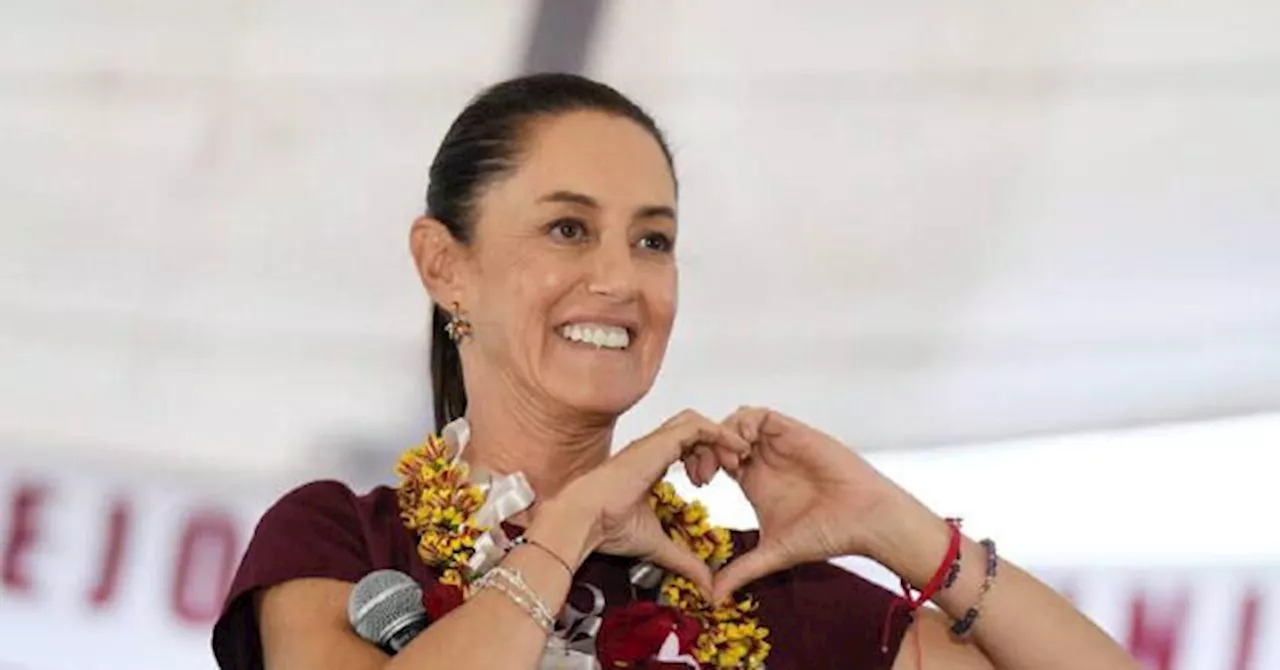
Mexican President Claudia Sheinbaum has initiated diplomatic efforts to prevent potential U.S. military action against drug cartels operating within Mexico. This move comes after remarks from former U.S. President Donald Trump, who suggested a shift in the U.S. approach to combating drug cartels, hinting at possible land-based operations. Sheinbaum’s instructions to her top diplomat aim to foster better coordination with the U.S. government, thus reinforcing Mexico’s sovereignty while addressing international law concerns.
In the wake of Trump’s comments, which resonated strongly in Mexico, Sheinbaum directed Juan Ramon de La Fuente, Mexico’s Foreign Relations Secretary, to engage with senior U.S. officials. This includes potential discussions with Secretary of State Marco Rubio or Trump himself. The objective is to enhance cooperation in law enforcement and to mitigate the risk of direct military intervention by U.S. forces on Mexican soil.
The potential for U.S. military action is a sensitive issue. Critics of Sheinbaum’s administration have raised alarms about corruption and the alleged complicity of political figures with drug cartels, making the dialogue surrounding military action particularly charged. Sheinbaum’s response emphasizes her commitment to maintaining control over Mexico’s internal matters while recognizing the necessity for collaboration in combating drug trafficking.
Sheinbaum’s administration has faced ongoing pressure from the U.S. to take more decisive action against cartels. This pressure could result in economic sanctions or even military intervention. In response, her government has attempted to demonstrate its commitment to combating drug-related violence by extraditing high-profile cartel leaders and working with U.S. authorities on disrupting drug production and smuggling operations. Despite these actions, the effectiveness of such measures remains limited, with cartels continuing to operate largely unchecked.
The President has been vocal in her opposition to direct U.S. military action, citing concerns about violating the rights of those involved in cartel activities and asserting Mexico’s right to manage its own security. Her stance illustrates the complex dynamics in U.S.-Mexico relations, where collaboration is essential but must not compromise national sovereignty.
Sheinbaum’s diplomatic initiative highlights the intricate balancing act her administration faces. While striving to meet U.S. expectations regarding drug cartel control, she is equally committed to protecting Mexico’s autonomy. The ongoing drug war presents significant challenges for both nations, and the evolving strategies from leaders on either side will continue to shape this multifaceted relationship.
As Sheinbaum engages with U.S. officials, her administration seeks to reinforce existing partnerships that respect international law and uphold Mexico’s sovereignty. The dialogue is crucial as both countries navigate their shared struggle against the pervasive influence of drug cartels.

Robinhood Stock Surges 2.5% Today Amid Tech Market Recovery

Philadelphia’s Earth Month Kicks Off with Free Events in Parks

GSK’s Inhaler Decision Sparks Health Concerns for Children

Bradford’s Fish Fry Fridays Offer Community Spirit and Flavor

Speculation Rises on Shutdowns During Trump’s Potential Presidency

Samsung Galaxy Watch 9 to Feature Larger Battery, Report Reveals

Inventors Find New Purpose Through Unconventional Paths

UConn Huskies Aim for Back-to-Back Titles in 2026 NCAA Tournament

U.S. Mine Countermeasure Ships Dock in Malaysia for Logistics Stop

University of Hawaiʻi at Mānoa Joins $25.6M AI Initiative for Disaster Monitoring

$2.2 Million Boost for Cancer Research and Training in Hawaiʻi

ALMA Discovers Companion Orbiting Red Giant Star π 1 Gruis

Sacituzumab Govitecan Shows Promise for HR+/HER2− Breast Cancer

币安人生 Sees $15.92 Million in Trading Volume Amid Market Fluctuations

New Gel Offers Hope for Regrowing Tooth Enamel in Dentistry

CAVA Group Shares Surge 5.1% Amid Mixed Analyst Ratings

Christian Bale in Talks to Join Leonardo DiCaprio in Heat 2

Supreme Court to Review Birthright Citizenship for Children of Immigrants
-
Science9 months ago
University of Hawaiʻi at Mānoa Joins $25.6M AI Initiative for Disaster Monitoring
-
 Health7 months ago
$2.2 Million Boost for Cancer Research and Training in Hawaiʻi
-
 Science9 months ago
ALMA Discovers Companion Orbiting Red Giant Star π 1 Gruis
-
 Health7 months ago
Sacituzumab Govitecan Shows Promise for HR+/HER2− Breast Cancer
-
Politics5 months ago
币安人生 Sees $15.92 Million in Trading Volume Amid Market Fluctuations
-
 Health9 months ago
New Gel Offers Hope for Regrowing Tooth Enamel in Dentistry
-
 Business8 months ago
CAVA Group Shares Surge 5.1% Amid Mixed Analyst Ratings
-
 Entertainment8 months ago
Christian Bale in Talks to Join Leonardo DiCaprio in Heat 2
-
 Politics8 months ago
Supreme Court to Review Birthright Citizenship for Children of Immigrants
-

 Lifestyle8 months ago
Art Deco and Traditional Designs Set to Transform Homes in 2026
-

 Lifestyle8 months ago
Fernando Mendoza Secures Maxwell and O’Brien Awards Ahead of Heisman
-

 World8 months ago
Swiss Residents Reject 50% Inheritance Tax on Wealthy