
World
U.S. Strategy on Venezuela: Why Seizing Oil Is Not the Solution

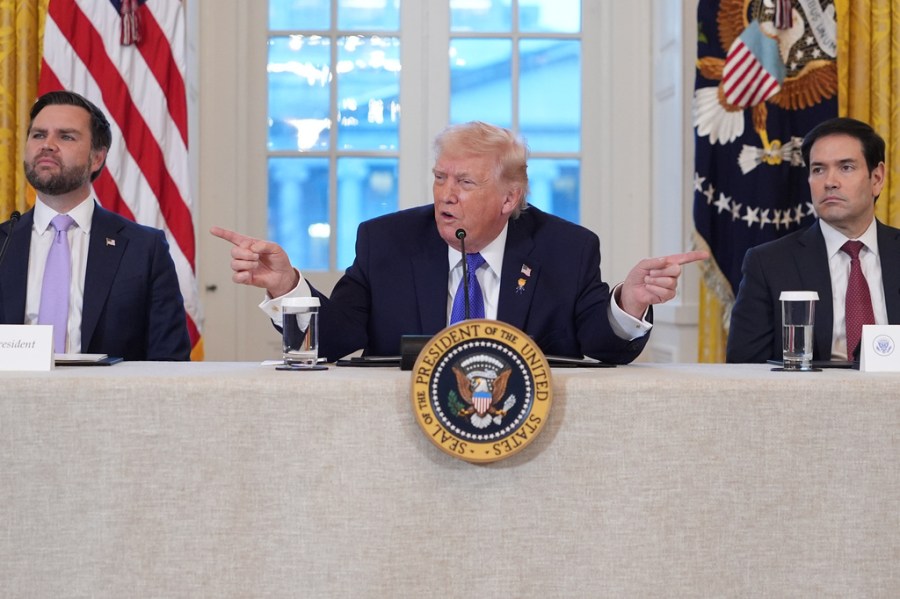
The ongoing situation in Venezuela has led to discussions regarding the potential for the United States to take control of the country’s oil resources. Such actions, however, are not only ethically questionable but also fundamentally flawed. After nearly two decades of economic collapse and sanctions, the idea of the U.S. seizing Venezuela’s oil would likely exacerbate violence, increase instability, and displace more citizens.
Over the past two decades, Venezuela has faced profound challenges, including a staggering decline in its economy, which shrank by approximately 80% from 2013 to 2021, according to the International Monetary Fund (IMF). The oil industry, once a source of national pride and significant revenue, has seen production plummet from about 3 million barrels per day in the early 2000s to less than 800,000 barrels per day in recent years. These declines have contributed to widespread poverty and a humanitarian crisis that has resulted in millions fleeing the country.
The notion of the U.S. taking control of Venezuela’s oil reserves raises serious questions about legality and morality. According to the U.S. Department of State, sanctions imposed on Venezuela were intended to pressure the government of President Nicolás Maduro into relinquishing power amid allegations of electoral fraud and human rights violations. However, seizing oil resources would likely be seen as an act of aggression, further alienating the Venezuelan populace and potentially leading to violent resistance.
Critics argue that such an approach lacks a coherent strategy for stabilizing the country. To effectively manage Venezuela’s oil and economy, a comprehensive plan would be necessary, one that addresses the underlying issues of governance, transparency, and social welfare. The U.S. has not presented a viable framework that incorporates these elements, which makes the idea of direct intervention not only impractical but dangerous.
Moreover, the geopolitical implications of U.S. intervention in Venezuela cannot be overlooked. Countries like Russia and China have vested interests in Venezuela, having previously invested billions into its oil sector. Any attempt by the U.S. to exert control could escalate tensions with these nations, potentially leading to a broader conflict.
As the situation evolves, the focus should shift towards diplomatic solutions that prioritize humanitarian assistance and support for Venezuelan civil society. Efforts to alleviate the suffering of the Venezuelan people must take precedence over any attempts to control their resources. This could involve increasing international aid and facilitating negotiations between the Venezuelan government and opposition groups, fostering dialogue that could lead to a peaceful resolution.
In summary, while the challenges facing Venezuela are immense, the idea of the U.S. seizing control of the country’s oil is fraught with risks and moral dilemmas. The long-term stability of Venezuela will depend more on cooperative international efforts and genuine engagement, rather than on unilateral actions that could deepen the crisis.

Robinhood Stock Surges 2.5% Today Amid Tech Market Recovery

Philadelphia’s Earth Month Kicks Off with Free Events in Parks

GSK’s Inhaler Decision Sparks Health Concerns for Children

Bradford’s Fish Fry Fridays Offer Community Spirit and Flavor

Speculation Rises on Shutdowns During Trump’s Potential Presidency

Samsung Galaxy Watch 9 to Feature Larger Battery, Report Reveals

Inventors Find New Purpose Through Unconventional Paths

UConn Huskies Aim for Back-to-Back Titles in 2026 NCAA Tournament

U.S. Mine Countermeasure Ships Dock in Malaysia for Logistics Stop

University of Hawaiʻi at Mānoa Joins $25.6M AI Initiative for Disaster Monitoring

$2.2 Million Boost for Cancer Research and Training in Hawaiʻi

ALMA Discovers Companion Orbiting Red Giant Star π 1 Gruis

Sacituzumab Govitecan Shows Promise for HR+/HER2− Breast Cancer

币安人生 Sees $15.92 Million in Trading Volume Amid Market Fluctuations

New Gel Offers Hope for Regrowing Tooth Enamel in Dentistry

CAVA Group Shares Surge 5.1% Amid Mixed Analyst Ratings

Christian Bale in Talks to Join Leonardo DiCaprio in Heat 2

Supreme Court to Review Birthright Citizenship for Children of Immigrants
-
Science9 months ago
University of Hawaiʻi at Mānoa Joins $25.6M AI Initiative for Disaster Monitoring
-
 Health7 months ago
$2.2 Million Boost for Cancer Research and Training in Hawaiʻi
-
 Science9 months ago
ALMA Discovers Companion Orbiting Red Giant Star π 1 Gruis
-
 Health7 months ago
Sacituzumab Govitecan Shows Promise for HR+/HER2− Breast Cancer
-
Politics5 months ago
币安人生 Sees $15.92 Million in Trading Volume Amid Market Fluctuations
-
 Health9 months ago
New Gel Offers Hope for Regrowing Tooth Enamel in Dentistry
-
 Business8 months ago
CAVA Group Shares Surge 5.1% Amid Mixed Analyst Ratings
-
 Entertainment8 months ago
Christian Bale in Talks to Join Leonardo DiCaprio in Heat 2
-
 Politics8 months ago
Supreme Court to Review Birthright Citizenship for Children of Immigrants
-

 Lifestyle8 months ago
Art Deco and Traditional Designs Set to Transform Homes in 2026
-

 Lifestyle8 months ago
Fernando Mendoza Secures Maxwell and O’Brien Awards Ahead of Heisman
-

 World8 months ago
Swiss Residents Reject 50% Inheritance Tax on Wealthy