
Entertainment
Michael Bay’s 13 Hours: A Dramatic Retelling of Benghazi Attack

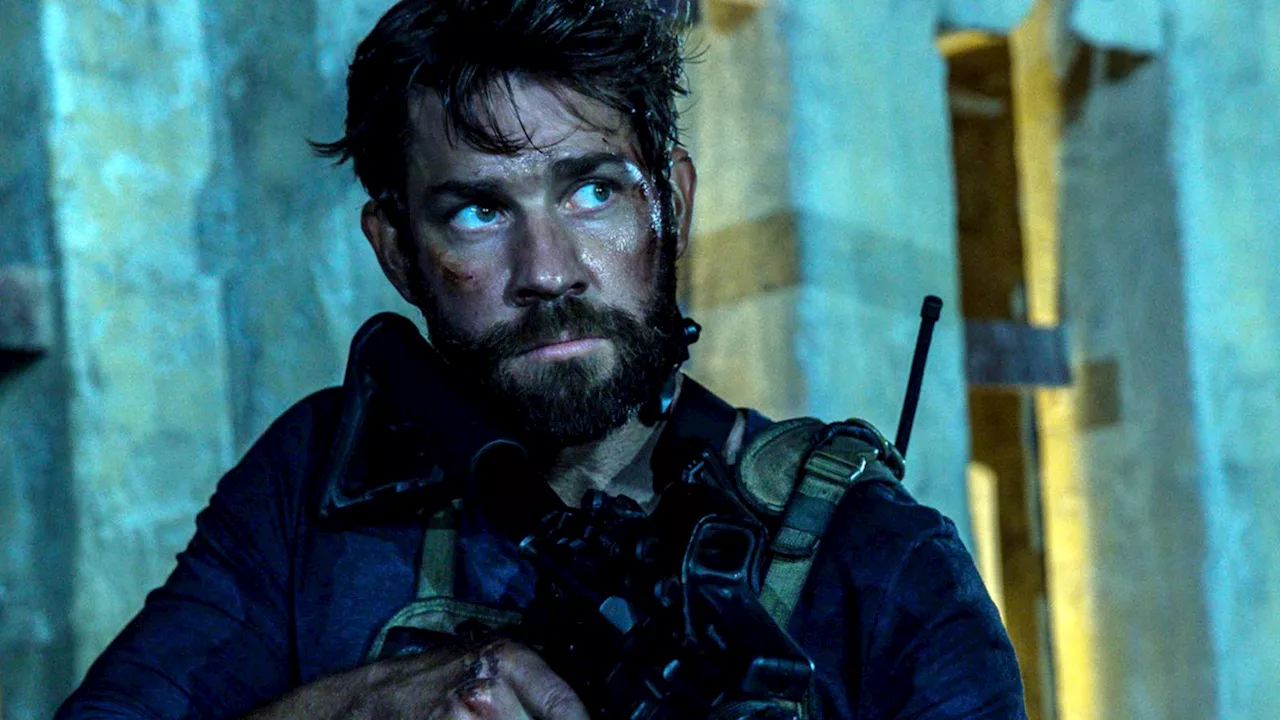
Michael Bay’s film, 13 Hours: The Secret Soldiers of Benghazi, presents a dramatized account of the tragic events surrounding the 2012 attack on a United States diplomatic compound and a CIA annex in Benghazi, Libya. The film chronicles the valiant efforts of six American security contractors who defended the site against a relentless assault by militants. While the narrative retains its emotional impact nearly a decade after its release, it also raises questions about the political context of the crisis, often favoring explosive action over deeper exploration.
The film opens with a stark portrayal of the chaos in Benghazi, where Tyrone Woods, played by James Badge Dale, chillingly remarks, “…this place is bad, you can’t tell the good guys from the bad guys.” This line sets a foreboding tone as the plot unfolds against a backdrop of instability following the ousting of Muammar Gaddafi. Adapted from Mitchell Zuckoff’s non-fiction book, the narrative emphasizes survival in a hostile environment rather than delving into the broader political failures that led to the attack.
The story centers on Jack Silva, portrayed by John Krasinski, who reunites with Tyrone Woods and other contractors—Mark “Oz” Geist, John “Tig” Tiegen, Kris “Tanto” Paronto, and Dave “Boon” Benton. Their mission is to provide security for the CIA Annex, but they quickly find themselves at odds with the officials in charge, particularly Chief Bob, who views them as mere backups. This tension plays a significant role in the film, especially as it builds towards the climactic attack on the U.S. diplomatic compound, where Ambassador Chris Stevens becomes trapped.
Despite its intense action sequences, which are a hallmark of Bay’s style, the film often sacrifices character development for high-octane thrills. The portrayal of the contractors lacks depth, with their motivations overshadowed by the relentless pace of combat. Although the film briefly touches on their personal lives—such as Silva’s pregnant wife—these moments are quickly drowned out by the film’s focus on explosive action.
The siege of the Benghazi compound, lasting approximately 13 hours, is depicted with a barrage of gunfire and chaotic scenes that highlight the desperation of the situation. Bay’s cinematic choices, including a memorable scene featuring a Mercedes-Benz racing through the streets of Benghazi while on fire, showcase his penchant for dramatic flair. While these elements may appeal to action film enthusiasts, they can detract from the gravity of the events being portrayed.
The portrayal of local factions further complicates the narrative, as the film suggests a fragmented society grappling with internal conflicts. The February 17 Martyrs Brigade, whom the CIA coordinates with, symbolizes the instability and divisions within the region. The contractors’ interactions with these local allies reveal a tension that underscores the complexities of the situation.
Ultimately, while 13 Hours serves as a tribute to the bravery of the contractors who risked their lives, it falls short as a comprehensive historical account. The film’s emphasis on action and spectacle often overshadows the political implications of the Benghazi attack. The portrayal of the contractors as heroes battling against institutional authority may resonate with audiences but does not fully address the systemic failures that led to the tragedy.
In summary, 13 Hours is a gripping war drama that captures the heroism of its subjects while being constrained by Michael Bay’s trademark excess. It provides a visceral experience but leaves viewers wanting a deeper understanding of the political landscape that shaped the events in Benghazi.

Robinhood Stock Surges 2.5% Today Amid Tech Market Recovery

Philadelphia’s Earth Month Kicks Off with Free Events in Parks

GSK’s Inhaler Decision Sparks Health Concerns for Children

Bradford’s Fish Fry Fridays Offer Community Spirit and Flavor

Speculation Rises on Shutdowns During Trump’s Potential Presidency

Samsung Galaxy Watch 9 to Feature Larger Battery, Report Reveals

Inventors Find New Purpose Through Unconventional Paths

UConn Huskies Aim for Back-to-Back Titles in 2026 NCAA Tournament

U.S. Mine Countermeasure Ships Dock in Malaysia for Logistics Stop

University of Hawaiʻi at Mānoa Joins $25.6M AI Initiative for Disaster Monitoring

$2.2 Million Boost for Cancer Research and Training in Hawaiʻi

ALMA Discovers Companion Orbiting Red Giant Star π 1 Gruis

Sacituzumab Govitecan Shows Promise for HR+/HER2− Breast Cancer

币安人生 Sees $15.92 Million in Trading Volume Amid Market Fluctuations

New Gel Offers Hope for Regrowing Tooth Enamel in Dentistry

CAVA Group Shares Surge 5.1% Amid Mixed Analyst Ratings

Christian Bale in Talks to Join Leonardo DiCaprio in Heat 2

Supreme Court to Review Birthright Citizenship for Children of Immigrants
-
Science9 months ago
University of Hawaiʻi at Mānoa Joins $25.6M AI Initiative for Disaster Monitoring
-
 Health7 months ago
$2.2 Million Boost for Cancer Research and Training in Hawaiʻi
-
 Science9 months ago
ALMA Discovers Companion Orbiting Red Giant Star π 1 Gruis
-
 Health7 months ago
Sacituzumab Govitecan Shows Promise for HR+/HER2− Breast Cancer
-
Politics5 months ago
币安人生 Sees $15.92 Million in Trading Volume Amid Market Fluctuations
-
 Health9 months ago
New Gel Offers Hope for Regrowing Tooth Enamel in Dentistry
-
 Business8 months ago
CAVA Group Shares Surge 5.1% Amid Mixed Analyst Ratings
-
 Entertainment8 months ago
Christian Bale in Talks to Join Leonardo DiCaprio in Heat 2
-
 Politics8 months ago
Supreme Court to Review Birthright Citizenship for Children of Immigrants
-

 Lifestyle8 months ago
Art Deco and Traditional Designs Set to Transform Homes in 2026
-

 Lifestyle8 months ago
Fernando Mendoza Secures Maxwell and O’Brien Awards Ahead of Heisman
-

 World8 months ago
Swiss Residents Reject 50% Inheritance Tax on Wealthy