
Science
Discover Why Okra’s Slimy Texture is a Culinary Secret

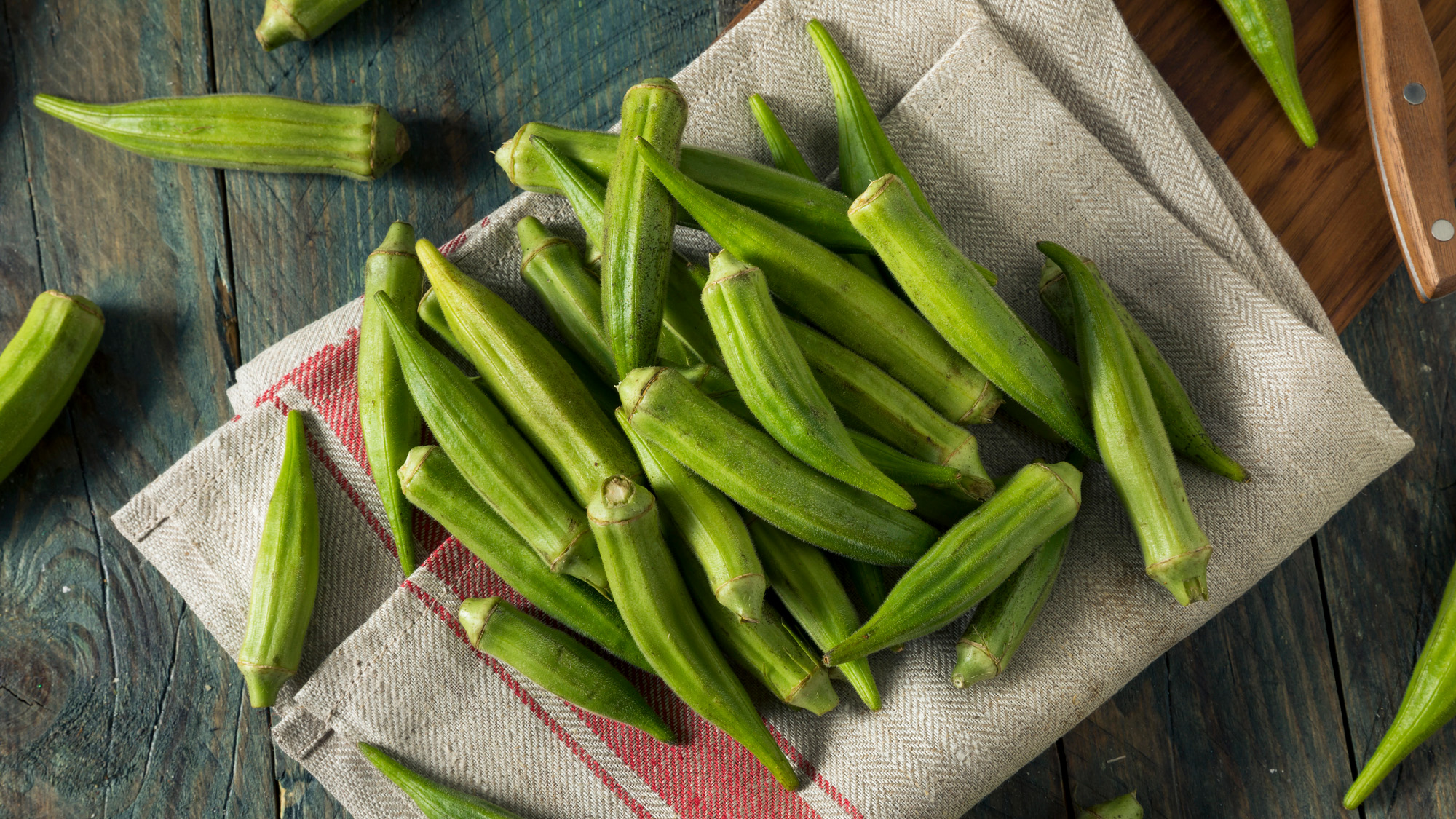
Okra’s unique texture, often described as slimy, has sparked debate among food enthusiasts and home cooks alike. This characteristic is due to a substance known as mucilage, which plays a significant role in the plant’s biology and culinary applications. Understanding the origins and functions of mucilage can enhance our appreciation of this vegetable, commonly used in dishes like gumbo and various soups.
The Role of Mucilage in Okra
The edible portion of okra comprises its immature seedpods, which are rich in mucilage. According to food science writer Harold McGee in his book, *On Food and Cooking: The Science and Lore of the Kitchen*, mucilage is “a complex mixture of long, entangled carbohydrate molecules and proteins that helps plants and their seeds retain water.” In essence, this watery slime surrounds the seeds, providing a protective coating that prevents them from drying out.
Okra is believed to have evolved its mucilaginous properties as a water-conserving adaptation, particularly suited for hot, dry climates. The plant likely originated in either southwest Asia or eastern Africa and made its way to the southern United States during the slave trade. Today, okra thrives in many tropical and subtropical regions, known for its resilience to heat and drought compared to other crops.
Mucilage Beyond Okra
Okra is not the only plant featuring mucilage. This property is prevalent among various desert plants, such as cacti and succulents, which utilize mucilage to store water. Several edible plants, including some seaweeds and leafy greens like Malabar spinach and molokhia, also contain mucilage.
Interestingly, mucilage serves multiple functions in the plant kingdom. For example, carnivorous sundews use mucilage droplets as adhesive traps for insects. Additionally, the heirloom variety of corn known as Sierra Mixe drips mucilage from its exposed roots, which shelters nitrogen-fixing bacteria. This natural partnership allows the corn to obtain much of its nitrogen from the atmosphere, thriving in nitrogen-poor soils, as noted in a 2020 UC Davis report.
Human applications of mucilage extend far beyond culinary uses. Historically, it has been utilized as a natural hair gel and an adhesive for stamps and labels. In medicine, mucilage acts as a demulcent, soothing irritated mucous membranes. Examples include slippery elm tea for sore throats and aloe ointment for sunburns. Furthermore, mucilage is a key ingredient in fiber supplements, such as psyllium husk, and is present in some cosmetics.
Researchers are increasingly exploring mucilage for industrial applications. A 2021 review describes it as “a renewable and cost-effective source of plant-based compounds” that are biodegradable and environmentally friendly. In particular, okra’s mucilage has been utilized in creating biodegradable food packaging films and for filtering particles from wastewater.
Culinary Perspectives on Okra’s Texture
Many cultures around the world celebrate mucilage as a desirable aspect of certain dishes. In Japan, the textures of ingredients like okra and natto are collectively referred to as neba-neba, which is cherished in various culinary preparations. In Nigeria, dishes made with okra, often termed “draw soups,” are valued for their thickness, which creates a characteristic pull when lifted from the pot.
Despite its culinary advantages, some people find the slimy texture of okra unappealing. There are numerous methods to reduce this slime in cooking. McGee notes that “mucilage’s viscosity increases when heat is applied.” Cooking methods such as frying or sautéing release less mucilage compared to longer preparations like stewing. Adding acidic ingredients, such as tomatoes, can also help reduce the slime. Additionally, since mucilage is concentrated in the center of okra pods, cutting or slicing them tends to release more slime than cooking them whole.
For those who are not fans of okra’s mucilaginous texture, there are still plenty of ways to incorporate this vegetable into meals. Understanding its benefits and versatility may even make the unique texture more palatable for some. Whether you embrace the slime or prefer to minimize it, okra remains a fascinating component of global cuisines, rich in history and nutrition.

Robinhood Stock Surges 2.5% Today Amid Tech Market Recovery

Philadelphia’s Earth Month Kicks Off with Free Events in Parks

GSK’s Inhaler Decision Sparks Health Concerns for Children

Bradford’s Fish Fry Fridays Offer Community Spirit and Flavor

Speculation Rises on Shutdowns During Trump’s Potential Presidency

Samsung Galaxy Watch 9 to Feature Larger Battery, Report Reveals

Inventors Find New Purpose Through Unconventional Paths

UConn Huskies Aim for Back-to-Back Titles in 2026 NCAA Tournament

U.S. Mine Countermeasure Ships Dock in Malaysia for Logistics Stop

University of Hawaiʻi at Mānoa Joins $25.6M AI Initiative for Disaster Monitoring

$2.2 Million Boost for Cancer Research and Training in Hawaiʻi

ALMA Discovers Companion Orbiting Red Giant Star π 1 Gruis

Sacituzumab Govitecan Shows Promise for HR+/HER2− Breast Cancer

币安人生 Sees $15.92 Million in Trading Volume Amid Market Fluctuations

New Gel Offers Hope for Regrowing Tooth Enamel in Dentistry

CAVA Group Shares Surge 5.1% Amid Mixed Analyst Ratings

Christian Bale in Talks to Join Leonardo DiCaprio in Heat 2

Supreme Court to Review Birthright Citizenship for Children of Immigrants
-
Science9 months ago
University of Hawaiʻi at Mānoa Joins $25.6M AI Initiative for Disaster Monitoring
-
 Health7 months ago
$2.2 Million Boost for Cancer Research and Training in Hawaiʻi
-
 Science8 months ago
ALMA Discovers Companion Orbiting Red Giant Star π 1 Gruis
-
 Health7 months ago
Sacituzumab Govitecan Shows Promise for HR+/HER2− Breast Cancer
-
Politics5 months ago
币安人生 Sees $15.92 Million in Trading Volume Amid Market Fluctuations
-
 Health9 months ago
New Gel Offers Hope for Regrowing Tooth Enamel in Dentistry
-
 Business7 months ago
CAVA Group Shares Surge 5.1% Amid Mixed Analyst Ratings
-
 Entertainment8 months ago
Christian Bale in Talks to Join Leonardo DiCaprio in Heat 2
-
 Politics7 months ago
Supreme Court to Review Birthright Citizenship for Children of Immigrants
-

 Lifestyle8 months ago
Art Deco and Traditional Designs Set to Transform Homes in 2026
-

 Lifestyle7 months ago
Fernando Mendoza Secures Maxwell and O’Brien Awards Ahead of Heisman
-

 World8 months ago
Swiss Residents Reject 50% Inheritance Tax on Wealthy