
Entertainment
Director Denies AI Use in ‘Stranger Things’ Finale Writing Room

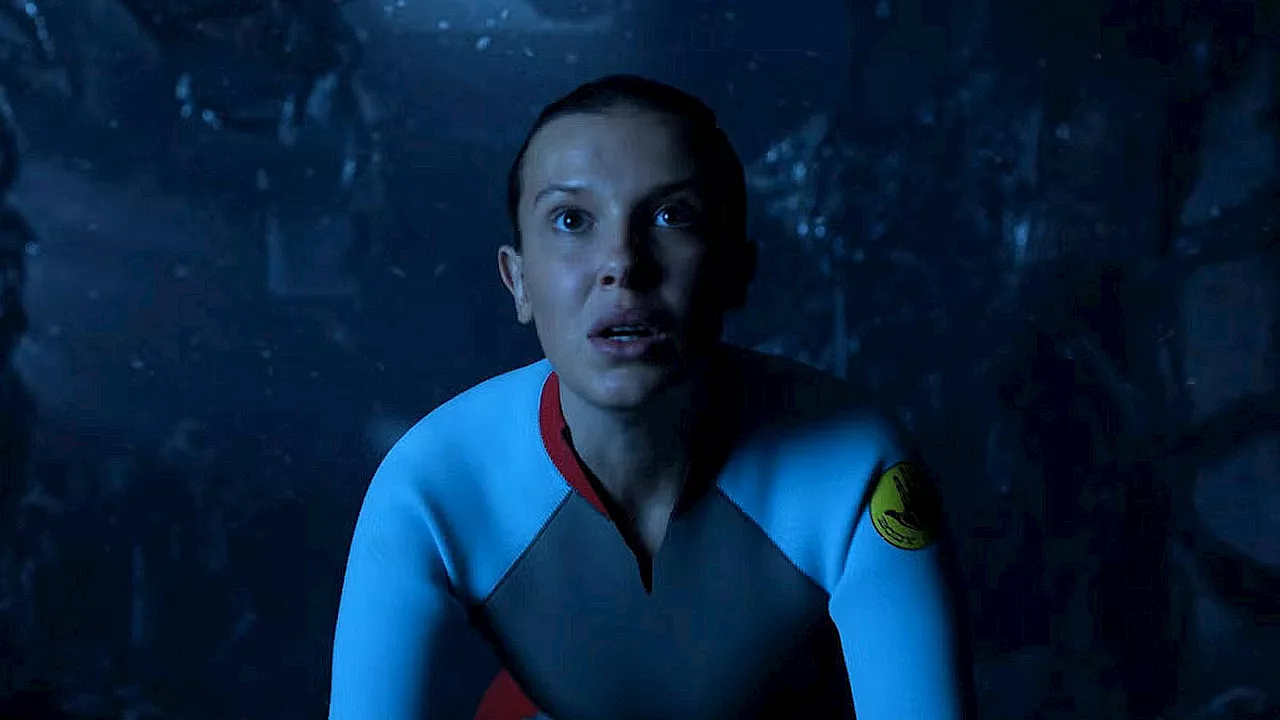
The director of *Stranger Things*, Martina Radwan, has publicly denied allegations that the creators, Matt and Ross Duffer, utilized ChatGPT in the writing process for the show’s final season. The rumors emerged after an image surfaced online, purportedly showing the Duffers with the AI program open during a meeting, leading fans to speculate about the authenticity of the series finale.
Radwan addressed the speculation during an interview, expressing her surprise at the claims. “Did I see them with ChatGPT open? I don’t even understand how that would work for writing a storyline with 19 characters,” she remarked. This comment reflects her skepticism regarding the capability of AI to contribute meaningfully to complex narrative structures, particularly those found in a series as intricate as *Stranger Things*.
The controversy has sparked a broader discussion about the increasing role of AI in Hollywood. Many fans have taken to social media platforms such as X and TikTok to voice their concerns about the potential misuse of AI in creative processes. Radwan emphasized that the writing room is a space for creative exchange, stating, “I witnessed creative exchanges. It’s a privilege to be part of that process.”
Despite the backlash, Radwan noted that AI tools are frequently used for research and brainstorming, which can aid human creativity rather than replace it. “People think ‘writers room’ means people are sitting there writing. No, it’s a creative exchange. You come up with ideas and then refine them,” she explained.
The concerns raised by audiences are not unique to *Stranger Things*; they highlight a growing apprehension regarding AI’s influence in the entertainment industry. As Hollywood explores new technologies to enhance storytelling, viewers are left questioning the authenticity of the content they consume. The discussion surrounding generative AI is becoming increasingly relevant, especially as the technology continues to evolve.
As viewers grapple with the implications of AI in creative fields, Radwan’s comments aim to reassure fans that the integrity of *Stranger Things* remains intact. She hopes that these conversations will lead to a deeper understanding of the creative process and the role of technology within it.
The backlash against the series finale underscores a larger trend where fans express disappointment and seek accountability for narrative choices. As the industry adapts to technological advancements, it remains to be seen how these changes will impact storytelling in the long run. The dialogue initiated by the finale’s reception may pave the way for more transparent discussions about the use of AI in entertainment, fostering a better understanding between creators and their audiences.

Robinhood Stock Surges 2.5% Today Amid Tech Market Recovery

Philadelphia’s Earth Month Kicks Off with Free Events in Parks

GSK’s Inhaler Decision Sparks Health Concerns for Children

Bradford’s Fish Fry Fridays Offer Community Spirit and Flavor

Speculation Rises on Shutdowns During Trump’s Potential Presidency

Samsung Galaxy Watch 9 to Feature Larger Battery, Report Reveals

Inventors Find New Purpose Through Unconventional Paths

UConn Huskies Aim for Back-to-Back Titles in 2026 NCAA Tournament

U.S. Mine Countermeasure Ships Dock in Malaysia for Logistics Stop

University of Hawaiʻi at Mānoa Joins $25.6M AI Initiative for Disaster Monitoring

$2.2 Million Boost for Cancer Research and Training in Hawaiʻi

ALMA Discovers Companion Orbiting Red Giant Star π 1 Gruis

Sacituzumab Govitecan Shows Promise for HR+/HER2− Breast Cancer

币安人生 Sees $15.92 Million in Trading Volume Amid Market Fluctuations

New Gel Offers Hope for Regrowing Tooth Enamel in Dentistry

CAVA Group Shares Surge 5.1% Amid Mixed Analyst Ratings

Christian Bale in Talks to Join Leonardo DiCaprio in Heat 2

Supreme Court to Review Birthright Citizenship for Children of Immigrants
-
Science9 months ago
University of Hawaiʻi at Mānoa Joins $25.6M AI Initiative for Disaster Monitoring
-
 Health7 months ago
$2.2 Million Boost for Cancer Research and Training in Hawaiʻi
-
 Science8 months ago
ALMA Discovers Companion Orbiting Red Giant Star π 1 Gruis
-
 Health7 months ago
Sacituzumab Govitecan Shows Promise for HR+/HER2− Breast Cancer
-
Politics5 months ago
币安人生 Sees $15.92 Million in Trading Volume Amid Market Fluctuations
-
 Health9 months ago
New Gel Offers Hope for Regrowing Tooth Enamel in Dentistry
-
 Business7 months ago
CAVA Group Shares Surge 5.1% Amid Mixed Analyst Ratings
-
 Entertainment8 months ago
Christian Bale in Talks to Join Leonardo DiCaprio in Heat 2
-
 Politics7 months ago
Supreme Court to Review Birthright Citizenship for Children of Immigrants
-

 Lifestyle8 months ago
Art Deco and Traditional Designs Set to Transform Homes in 2026
-

 Lifestyle7 months ago
Fernando Mendoza Secures Maxwell and O’Brien Awards Ahead of Heisman
-

 World8 months ago
Swiss Residents Reject 50% Inheritance Tax on Wealthy