
Top Stories
Man Transplants Pig Kidney, Then Receives Human Organ in Milestone

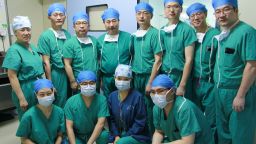
BREAKING: In a groundbreaking medical milestone, Tim Andrews, a 67-year-old patient from New Hampshire, has become the first person to receive a human kidney after previously being transplanted with a genetically modified pig kidney. This extraordinary development was confirmed by Mass General Brigham on January 12, 2025, marking a significant leap in the field of xenotransplantation.
Andrews, who was diagnosed with end-stage kidney disease and diabetes, initially received the pig kidney on January 25, 2025, living with it for a remarkable 271 days before his body rejected the organ. After enduring a painful return to dialysis, which he described as a grueling experience, he received the life-saving call about the human kidney just before midnight on January 12. He was scheduled for surgery at 8 a.m. the following morning.
“I’m the first one that went across the bridge… Nobody’s ever been across that bridge. That is cool!” Andrews expressed from his hospital bed. His journey underscores a crucial breakthrough in organ transplantation, as he now stands as a beacon of hope for others facing similar health challenges.
The implications of this transplant extend far beyond Andrews’ personal journey. With over 100,000 people in the US waiting for organ transplants—about 80% needing kidneys—xenotransplantation could potentially alleviate the dire shortage of human organs. Currently, only 1 in 8 patients with end-stage renal disease are on the transplant waitlist, while nearly 70% of the over 800,000 individuals with kidney failure rely on dialysis. Unfortunately, the five-year survival rate for dialysis patients hovers around 40%.
Dr. Leonardo Riella, the medical director of kidney transplantation at Mass General Brigham, commented on the challenges of dialysis, stating, “It has a huge burden on the patient, both in their quality of life but most importantly on their health.” Andrews himself endured up to six hours of dialysis three times a week, which took a significant toll on his physical and emotional health.
“It takes a toll on you emotionally and physically; you just get exhausted,” Andrews revealed. The despair of returning to dialysis after his pig kidney was removed only intensified his suffering. However, the recent transplant has rekindled his hope for a better future.
The successful human kidney transplant has been described as a “bridge” in the evolving landscape of organ transplantation. “Even if it is a bridge,” Dr. Riella noted, “it would be better than [Tim] just staying on dialysis.”
As Andrews recovers, he is expected to be discharged from the hospital soon, representing a pivotal step forward in medical history. His experience has not only contributed to the advancement of xenotransplantation but also offers valuable insights for future patients. Following Andrews’ surgery, Mass General Brigham and eGenesis, the company responsible for providing the donor pig, have already conducted two additional xenotransplants and are preparing for a clinical trial.
Andrews remains committed to advocating for organ donation, emphasizing the importance of helping others in need. In a heartfelt message on social media, he thanked the family of his unidentified donor, stating, “Your family member is a hero… I will spend my life basically preaching about what this love did.”
As the medical community looks toward a future where xenotransplantation could become a viable solution for organ shortages, Andrews’ story serves as a powerful reminder of the human spirit’s resilience and hope. The journey continues for both him and countless others awaiting organ transplants, with the promise of innovative solutions on the horizon.
Stay tuned for more updates on this developing story as it unfolds in the days to come.

Robinhood Stock Surges 2.5% Today Amid Tech Market Recovery

Philadelphia’s Earth Month Kicks Off with Free Events in Parks

GSK’s Inhaler Decision Sparks Health Concerns for Children

Bradford’s Fish Fry Fridays Offer Community Spirit and Flavor

Speculation Rises on Shutdowns During Trump’s Potential Presidency

Samsung Galaxy Watch 9 to Feature Larger Battery, Report Reveals

Inventors Find New Purpose Through Unconventional Paths

UConn Huskies Aim for Back-to-Back Titles in 2026 NCAA Tournament

U.S. Mine Countermeasure Ships Dock in Malaysia for Logistics Stop

University of Hawaiʻi at Mānoa Joins $25.6M AI Initiative for Disaster Monitoring

$2.2 Million Boost for Cancer Research and Training in Hawaiʻi

ALMA Discovers Companion Orbiting Red Giant Star π 1 Gruis

Sacituzumab Govitecan Shows Promise for HR+/HER2− Breast Cancer

币安人生 Sees $15.92 Million in Trading Volume Amid Market Fluctuations

New Gel Offers Hope for Regrowing Tooth Enamel in Dentistry

CAVA Group Shares Surge 5.1% Amid Mixed Analyst Ratings

Christian Bale in Talks to Join Leonardo DiCaprio in Heat 2

Supreme Court to Review Birthright Citizenship for Children of Immigrants
-
Science9 months ago
University of Hawaiʻi at Mānoa Joins $25.6M AI Initiative for Disaster Monitoring
-
 Health7 months ago
$2.2 Million Boost for Cancer Research and Training in Hawaiʻi
-
 Science8 months ago
ALMA Discovers Companion Orbiting Red Giant Star π 1 Gruis
-
 Health7 months ago
Sacituzumab Govitecan Shows Promise for HR+/HER2− Breast Cancer
-
Politics5 months ago
币安人生 Sees $15.92 Million in Trading Volume Amid Market Fluctuations
-
 Health9 months ago
New Gel Offers Hope for Regrowing Tooth Enamel in Dentistry
-
 Business7 months ago
CAVA Group Shares Surge 5.1% Amid Mixed Analyst Ratings
-
 Entertainment8 months ago
Christian Bale in Talks to Join Leonardo DiCaprio in Heat 2
-
 Politics7 months ago
Supreme Court to Review Birthright Citizenship for Children of Immigrants
-

 Lifestyle8 months ago
Art Deco and Traditional Designs Set to Transform Homes in 2026
-

 Lifestyle7 months ago
Fernando Mendoza Secures Maxwell and O’Brien Awards Ahead of Heisman
-

 World8 months ago
Swiss Residents Reject 50% Inheritance Tax on Wealthy