
Health
US Supreme Court to Review Hikma’s Challenge to Drug Labeling Practice

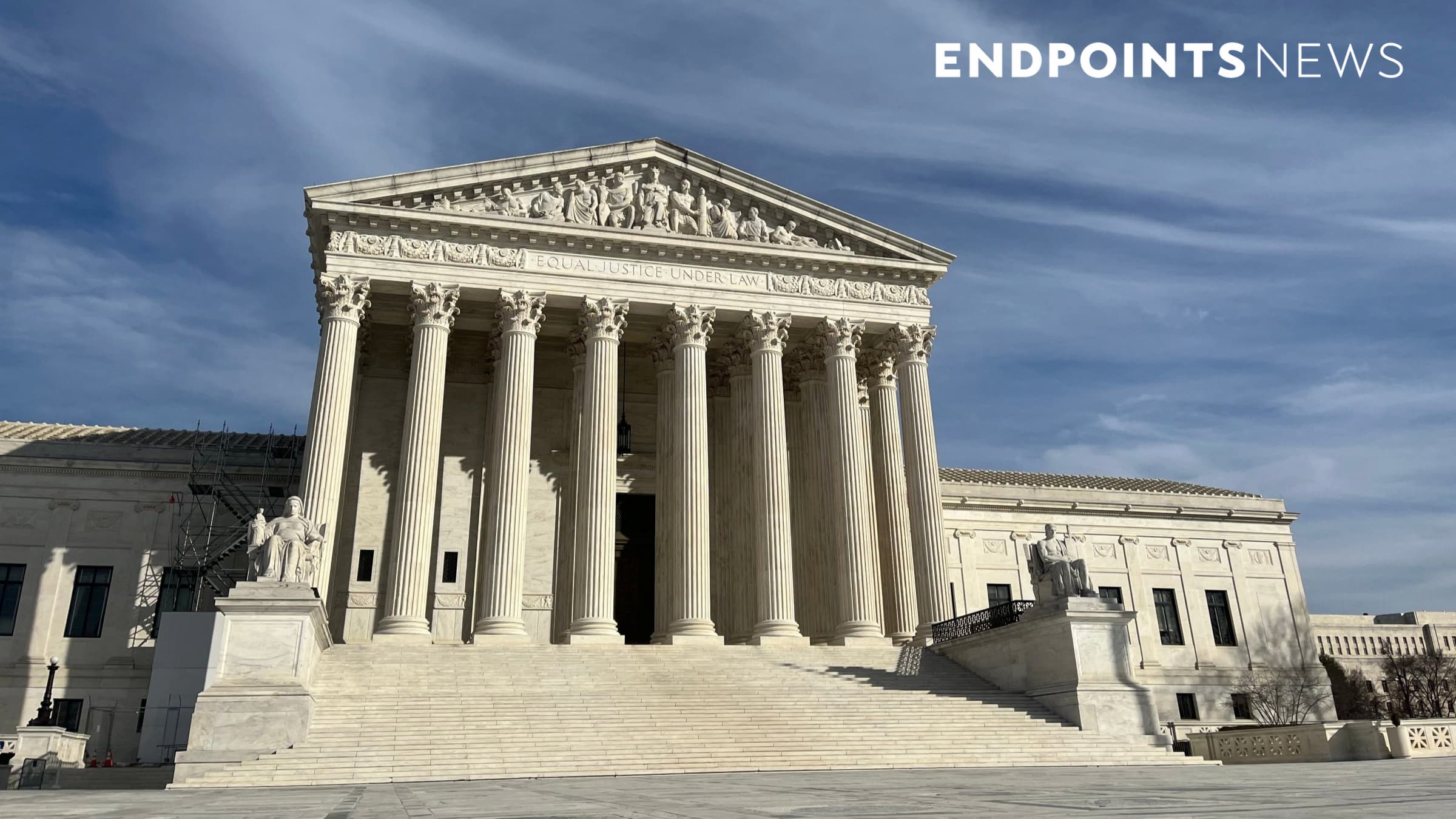
The US Supreme Court has agreed to review a significant ruling concerning generic drug labeling that could impact industry practices. The case involves Hikma Pharmaceuticals, which argues that the current labeling guidelines, known as the “skinny label” approach, could undermine their ability to compete effectively against Amarin Corporation.
The issue stems from a decision made by the Federal Circuit Court, which upheld a ruling that allows generic drug manufacturers to market their products with labels that do not fully replicate the brand-name drug’s information. This practice, while intended to expedite the release of generic alternatives, has raised concerns about the potential for confusion among healthcare providers and patients regarding the efficacy and safety of these medications.
Hikma contends that the ruling could “effectively vitiate” their market position by enabling Amarin to maintain a competitive edge through a more comprehensive label that provides additional safety and efficacy details. The company argues that this discrepancy in labeling could mislead prescribers and patients, ultimately affecting public health outcomes.
The Supreme Court’s decision to take on this case is particularly noteworthy as it could set a precedent that influences how generic drug manufacturers navigate their marketing strategies. The outcome may redefine the balance between encouraging generic competition and ensuring that patients receive clear and accurate information about their medications.
Legal experts are closely watching this case, with implications that could extend beyond the pharmaceutical industry. It raises fundamental questions about the intersection of regulatory practices, competition, and public health, emphasizing the need for clarity in drug labeling.
The hearing is expected to take place in March 2024, with the Supreme Court’s ruling likely to have a long-lasting impact on the pharmaceutical landscape. Both Hikma and Amarin are preparing to present their arguments, emphasizing the significance of this ruling for their respective operations and the broader implications for healthcare providers and patients alike.
As the case unfolds, stakeholders from various sectors are expected to weigh in, highlighting the critical nature of ensuring that drug labels accurately reflect the products being prescribed. The Supreme Court’s decision could either reinforce the existing framework that allows for “skinny labels” or pave the way for more stringent labeling practices, fundamentally altering how generic drugs are marketed in the future.

Robinhood Stock Surges 2.5% Today Amid Tech Market Recovery

Philadelphia’s Earth Month Kicks Off with Free Events in Parks

GSK’s Inhaler Decision Sparks Health Concerns for Children

Bradford’s Fish Fry Fridays Offer Community Spirit and Flavor

Speculation Rises on Shutdowns During Trump’s Potential Presidency

Samsung Galaxy Watch 9 to Feature Larger Battery, Report Reveals

Inventors Find New Purpose Through Unconventional Paths

UConn Huskies Aim for Back-to-Back Titles in 2026 NCAA Tournament

U.S. Mine Countermeasure Ships Dock in Malaysia for Logistics Stop

University of Hawaiʻi at Mānoa Joins $25.6M AI Initiative for Disaster Monitoring

$2.2 Million Boost for Cancer Research and Training in Hawaiʻi

ALMA Discovers Companion Orbiting Red Giant Star π 1 Gruis

Sacituzumab Govitecan Shows Promise for HR+/HER2− Breast Cancer

币安人生 Sees $15.92 Million in Trading Volume Amid Market Fluctuations

New Gel Offers Hope for Regrowing Tooth Enamel in Dentistry

CAVA Group Shares Surge 5.1% Amid Mixed Analyst Ratings

Christian Bale in Talks to Join Leonardo DiCaprio in Heat 2

Supreme Court to Review Birthright Citizenship for Children of Immigrants
-
Science9 months ago
University of Hawaiʻi at Mānoa Joins $25.6M AI Initiative for Disaster Monitoring
-
 Health7 months ago
$2.2 Million Boost for Cancer Research and Training in Hawaiʻi
-
 Science8 months ago
ALMA Discovers Companion Orbiting Red Giant Star π 1 Gruis
-
 Health7 months ago
Sacituzumab Govitecan Shows Promise for HR+/HER2− Breast Cancer
-
Politics5 months ago
币安人生 Sees $15.92 Million in Trading Volume Amid Market Fluctuations
-
 Health9 months ago
New Gel Offers Hope for Regrowing Tooth Enamel in Dentistry
-
 Business7 months ago
CAVA Group Shares Surge 5.1% Amid Mixed Analyst Ratings
-
 Entertainment8 months ago
Christian Bale in Talks to Join Leonardo DiCaprio in Heat 2
-
 Politics7 months ago
Supreme Court to Review Birthright Citizenship for Children of Immigrants
-

 Lifestyle8 months ago
Art Deco and Traditional Designs Set to Transform Homes in 2026
-

 Lifestyle7 months ago
Fernando Mendoza Secures Maxwell and O’Brien Awards Ahead of Heisman
-

 World8 months ago
Swiss Residents Reject 50% Inheritance Tax on Wealthy