
Top Stories
Supreme Court to Hear Bayer’s Urgent Appeal on Roundup Lawsuits

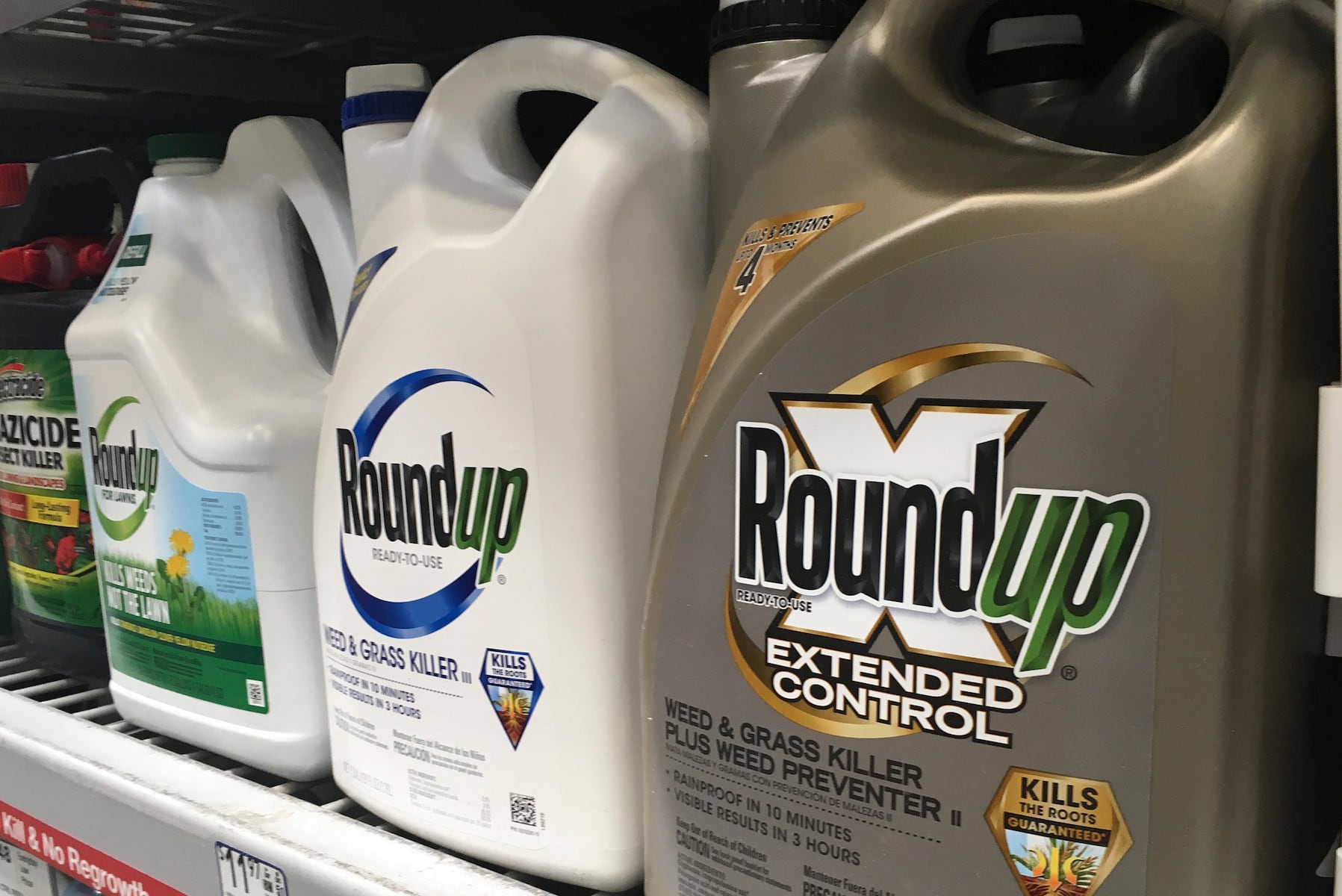
UPDATE: The Supreme Court has just announced it will hear Bayer’s urgent appeal regarding thousands of lawsuits tied to its widely used weedkiller, Roundup. This pivotal case could determine whether state-level claims can proceed against the agrochemical giant, accused of failing to warn consumers about potential cancer risks associated with its product.
The Supreme Court’s decision comes amidst a growing legal battle, with Bayer facing approximately 181,000 lawsuits from users who allege that Roundup’s key ingredient, glyphosate, is linked to cancer. The announcement was made on October 6, 2023, and the court will consider a specific case from Missouri, where a jury awarded $1.25 million to a man diagnosed with non-Hodgkin’s lymphoma after using Roundup.
Bayer disputes these cancer claims but has set aside a staggering $16 billion to settle cases, highlighting the financial stakes involved. The Environmental Protection Agency (EPA) previously approved Roundup without a cancer warning, a key point in Bayer’s defense, as the company argues that compliance with federal regulations should limit its liability under state laws.
In a twist, the Trump administration has sided with Bayer, reversing the Biden administration’s stance and complicating the legal landscape. This alignment raises questions among supporters of the Make America Healthy Again agenda, many of whom oppose granting Bayer the legal immunity it seeks.
Environmental advocates are alarmed by the Supreme Court’s agreement to consider the case. “It’s a sad day in America when our highest court agrees to consider depriving thousands of Roundup users suffering from cancer of their day in court,” stated Lori Ann Burd, environmental health director at the Center for Biological Diversity.
Bayer has halted the sale of glyphosate in Roundup for residential use in the U.S. but continues to use it in agricultural products designed for genetically modified crops. This strategy allows farmers to increase production while minimizing soil disruption. However, Bayer has warned that it may need to withdraw glyphosate from U.S. agricultural markets if litigation continues to escalate.
The Supreme Court’s deliberations could take place as early as spring 2024, or potentially at the start of the next court term in October 2024. As this legal showdown unfolds, the implications for both Bayer and consumers are profound—impacting not just the company’s future but also the lives of those affected by its products.
Stay tuned for more updates on this developing story, as the court’s ruling could reshape the landscape of environmental liability and corporate accountability in the agriculture sector.

Robinhood Stock Surges 2.5% Today Amid Tech Market Recovery

Philadelphia’s Earth Month Kicks Off with Free Events in Parks

GSK’s Inhaler Decision Sparks Health Concerns for Children

Bradford’s Fish Fry Fridays Offer Community Spirit and Flavor

Speculation Rises on Shutdowns During Trump’s Potential Presidency

Samsung Galaxy Watch 9 to Feature Larger Battery, Report Reveals

Inventors Find New Purpose Through Unconventional Paths

UConn Huskies Aim for Back-to-Back Titles in 2026 NCAA Tournament

U.S. Mine Countermeasure Ships Dock in Malaysia for Logistics Stop

University of Hawaiʻi at Mānoa Joins $25.6M AI Initiative for Disaster Monitoring

$2.2 Million Boost for Cancer Research and Training in Hawaiʻi

ALMA Discovers Companion Orbiting Red Giant Star π 1 Gruis

Sacituzumab Govitecan Shows Promise for HR+/HER2− Breast Cancer

币安人生 Sees $15.92 Million in Trading Volume Amid Market Fluctuations

New Gel Offers Hope for Regrowing Tooth Enamel in Dentistry

CAVA Group Shares Surge 5.1% Amid Mixed Analyst Ratings

Christian Bale in Talks to Join Leonardo DiCaprio in Heat 2

Supreme Court to Review Birthright Citizenship for Children of Immigrants
-
Science9 months ago
University of Hawaiʻi at Mānoa Joins $25.6M AI Initiative for Disaster Monitoring
-
 Health7 months ago
$2.2 Million Boost for Cancer Research and Training in Hawaiʻi
-
 Science8 months ago
ALMA Discovers Companion Orbiting Red Giant Star π 1 Gruis
-
 Health7 months ago
Sacituzumab Govitecan Shows Promise for HR+/HER2− Breast Cancer
-
Politics5 months ago
币安人生 Sees $15.92 Million in Trading Volume Amid Market Fluctuations
-
 Health9 months ago
New Gel Offers Hope for Regrowing Tooth Enamel in Dentistry
-
 Business7 months ago
CAVA Group Shares Surge 5.1% Amid Mixed Analyst Ratings
-
 Entertainment8 months ago
Christian Bale in Talks to Join Leonardo DiCaprio in Heat 2
-
 Politics7 months ago
Supreme Court to Review Birthright Citizenship for Children of Immigrants
-

 Lifestyle8 months ago
Art Deco and Traditional Designs Set to Transform Homes in 2026
-

 Lifestyle7 months ago
Fernando Mendoza Secures Maxwell and O’Brien Awards Ahead of Heisman
-

 World8 months ago
Swiss Residents Reject 50% Inheritance Tax on Wealthy