
World
Spain’s High-Speed Rail Service Faces Tragedy After Fatal Crash

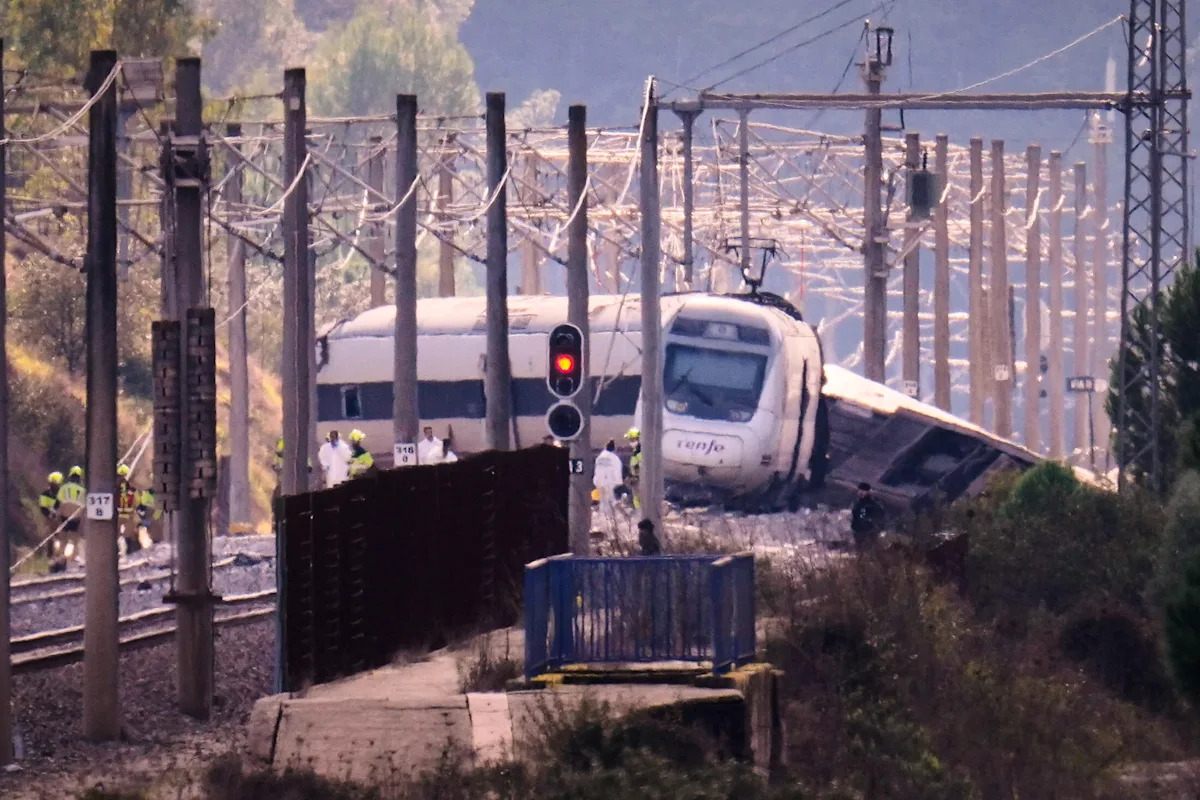
A catastrophic train collision in southern Spain on March 24, 2024, has resulted in the deaths of at least 40 individuals and left dozens injured. This tragic incident marks a significant setback for Spain’s high-speed rail network, which has long been regarded as a symbol of modernity and national pride. Authorities are investigating the cause of the crash, which took place when one high-speed train derailed and collided with another traveling in the opposite direction.
Spain’s High-Speed Rail History
The launch of Spain’s first high-speed train, known as AVE, occurred 34 years ago. The acronym stands for “Alta Velocidad Española,” which translates to “Spanish High Speed.” This initiative represented a crucial investment by successive Spanish governments, utilizing tax revenues and European Union development funds to create an extensive rail network. Over the years, Spain’s high-speed rail system has expanded significantly, now covering approximately 3,900 kilometers (about 2,400 miles), making it the second-largest high-speed rail network globally, surpassed only by China.
The first AVE line was inaugurated just two months before the 1992 Summer Olympic Games in Barcelona, a pivotal moment in Spain’s transition from the economic struggles and isolation of the Franco dictatorship. The high-speed rail has since transformed travel in the country, drastically reducing the time it takes to journey between major cities. A trip from Madrid to Barcelona, which once took around seven hours, can now be completed in just 2.5 hours. Plans are in place to modernize this route further, potentially reducing travel time to under two hours.
The Impact of the Recent Collision
Sunday’s collision has raised serious concerns regarding the safety of Spain’s high-speed rail system. It is noteworthy that this incident represents the first deadly accident involving a high-speed train in Spain’s history. According to officials, both trains were operating well within their speed limits at the time of the crash. Álvaro Fernández, the president of the state-owned train operator Renfe, stated that “human error could be ruled out,” indicating the need for further investigation into the underlying causes of the incident.
The collision involved an Iryo train, the first private operator to enter the high-speed rail market in Spain, and a Renfe train. Iryo’s entry into the high-speed sector occurred in 2022, following the opening of Spain’s rail network to private competition. Iryo has committed to cooperating with authorities as they work to ascertain the details surrounding the crash.
This tragic event comes against a backdrop of Spain’s ambitious high-speed rail program, which has been hailed for its role in uniting the country and promoting sustainable travel. Critics have argued, however, that investments have sometimes prioritized high-speed routes at the expense of local commuter lines, which often experience delays and inefficiencies.
As investigations continue into the crash, the impact of this tragedy on Spain’s public transport reputation remains to be seen. The high-speed rail network has become an integral part of the nation’s infrastructure, supporting economic development and contributing to its green energy initiatives aimed at combating climate change.

Robinhood Stock Surges 2.5% Today Amid Tech Market Recovery

Philadelphia’s Earth Month Kicks Off with Free Events in Parks

GSK’s Inhaler Decision Sparks Health Concerns for Children

Bradford’s Fish Fry Fridays Offer Community Spirit and Flavor

Speculation Rises on Shutdowns During Trump’s Potential Presidency

Samsung Galaxy Watch 9 to Feature Larger Battery, Report Reveals

Inventors Find New Purpose Through Unconventional Paths

UConn Huskies Aim for Back-to-Back Titles in 2026 NCAA Tournament

U.S. Mine Countermeasure Ships Dock in Malaysia for Logistics Stop

University of Hawaiʻi at Mānoa Joins $25.6M AI Initiative for Disaster Monitoring

$2.2 Million Boost for Cancer Research and Training in Hawaiʻi

ALMA Discovers Companion Orbiting Red Giant Star π 1 Gruis

Sacituzumab Govitecan Shows Promise for HR+/HER2− Breast Cancer

币安人生 Sees $15.92 Million in Trading Volume Amid Market Fluctuations

New Gel Offers Hope for Regrowing Tooth Enamel in Dentistry

CAVA Group Shares Surge 5.1% Amid Mixed Analyst Ratings

Christian Bale in Talks to Join Leonardo DiCaprio in Heat 2

Supreme Court to Review Birthright Citizenship for Children of Immigrants
-
Science9 months ago
University of Hawaiʻi at Mānoa Joins $25.6M AI Initiative for Disaster Monitoring
-
 Health7 months ago
$2.2 Million Boost for Cancer Research and Training in Hawaiʻi
-
 Science8 months ago
ALMA Discovers Companion Orbiting Red Giant Star π 1 Gruis
-
 Health7 months ago
Sacituzumab Govitecan Shows Promise for HR+/HER2− Breast Cancer
-
Politics5 months ago
币安人生 Sees $15.92 Million in Trading Volume Amid Market Fluctuations
-
 Health9 months ago
New Gel Offers Hope for Regrowing Tooth Enamel in Dentistry
-
 Business7 months ago
CAVA Group Shares Surge 5.1% Amid Mixed Analyst Ratings
-
 Entertainment8 months ago
Christian Bale in Talks to Join Leonardo DiCaprio in Heat 2
-
 Politics7 months ago
Supreme Court to Review Birthright Citizenship for Children of Immigrants
-

 Lifestyle8 months ago
Art Deco and Traditional Designs Set to Transform Homes in 2026
-

 Lifestyle7 months ago
Fernando Mendoza Secures Maxwell and O’Brien Awards Ahead of Heisman
-

 World8 months ago
Swiss Residents Reject 50% Inheritance Tax on Wealthy