
World
Minnesota Judges Deny ICE Protester Arrest Warrants Amid Evidence Gaps

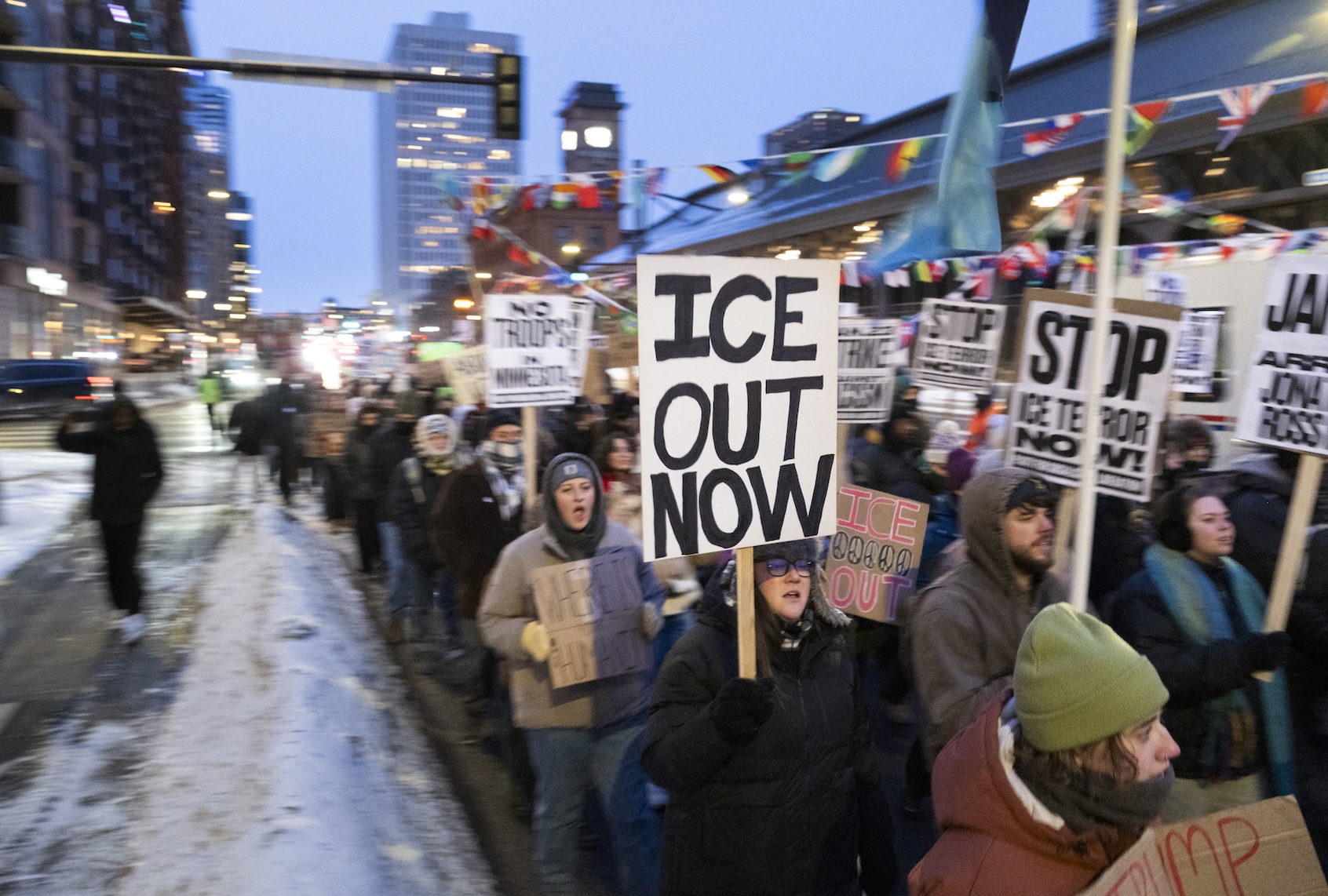
Federal judges in Minnesota are rejecting multiple arrest warrants for individuals protesting the activities of Immigration and Customs Enforcement (ICE) officers. The judges cite insufficient evidence as the primary reason for their decisions, according to a report from MS NOW.
The warrants allege that protesters engaged in assaults on law enforcement and other criminal activities during protests in Minneapolis. However, several requests from federal prosecutors have failed to convincingly demonstrate criminal behavior. In an unusual move, judges have denied warrants based on the lack of substantiated claims.
In one notable case, a federal judge dismissed a warrant against a protester accused of throwing a single egg at a law enforcement vehicle. Additionally, Magistrate Judge Douglas Micko declined to authorize a warrant for Chauntyll Louisa Allen, a St. Paul school board member, who faced allegations of attempting to intimidate worshippers at a church where an ICE official serves as a pastor. While Judge Micko allowed prosecutors to charge her with conspiracy to make threats, he rejected more severe accusations.
Federal Frustration Over Judicial Decisions
The frustration among federal authorities is palpable. Gregory Bovino, the Customs and Border Protection commander, expressed disappointment during a press conference, stating, “We work very hard with the Department of Justice, with the courts, to gather and obtain those warrants.” He affirmed ongoing efforts to collaborate with judges for future warrant requests.
This situation reflects the broader tension surrounding civil rights and law enforcement practices in the context of immigration enforcement. The protests in Minneapolis have highlighted community concerns regarding ICE’s actions and their implications for local residents.
The ongoing judicial decisions raise critical questions about the balance between public safety and the rights of individuals to protest. As protests continue, the legal landscape surrounding law enforcement and civil liberties remains complex and evolving, underscoring the necessity for transparency and accountability.
The backdrop of these developments is a nationwide discourse on immigration policies and their enforcement, with several activists and organizations advocating for changes to ICE’s operational practices. As the legal battles unfold, the implications for both protesters and law enforcement agencies are significant, shaping the future of community-police relations in Minnesota and beyond.

Robinhood Stock Surges 2.5% Today Amid Tech Market Recovery

Philadelphia’s Earth Month Kicks Off with Free Events in Parks

GSK’s Inhaler Decision Sparks Health Concerns for Children

Bradford’s Fish Fry Fridays Offer Community Spirit and Flavor

Speculation Rises on Shutdowns During Trump’s Potential Presidency

Samsung Galaxy Watch 9 to Feature Larger Battery, Report Reveals

Inventors Find New Purpose Through Unconventional Paths

UConn Huskies Aim for Back-to-Back Titles in 2026 NCAA Tournament

U.S. Mine Countermeasure Ships Dock in Malaysia for Logistics Stop

University of Hawaiʻi at Mānoa Joins $25.6M AI Initiative for Disaster Monitoring

$2.2 Million Boost for Cancer Research and Training in Hawaiʻi

ALMA Discovers Companion Orbiting Red Giant Star π 1 Gruis

Sacituzumab Govitecan Shows Promise for HR+/HER2− Breast Cancer

币安人生 Sees $15.92 Million in Trading Volume Amid Market Fluctuations

New Gel Offers Hope for Regrowing Tooth Enamel in Dentistry

CAVA Group Shares Surge 5.1% Amid Mixed Analyst Ratings

Christian Bale in Talks to Join Leonardo DiCaprio in Heat 2

Supreme Court to Review Birthright Citizenship for Children of Immigrants
-
Science9 months ago
University of Hawaiʻi at Mānoa Joins $25.6M AI Initiative for Disaster Monitoring
-
 Health7 months ago
$2.2 Million Boost for Cancer Research and Training in Hawaiʻi
-
 Science8 months ago
ALMA Discovers Companion Orbiting Red Giant Star π 1 Gruis
-
 Health7 months ago
Sacituzumab Govitecan Shows Promise for HR+/HER2− Breast Cancer
-
Politics5 months ago
币安人生 Sees $15.92 Million in Trading Volume Amid Market Fluctuations
-
 Health9 months ago
New Gel Offers Hope for Regrowing Tooth Enamel in Dentistry
-
 Business7 months ago
CAVA Group Shares Surge 5.1% Amid Mixed Analyst Ratings
-
 Entertainment8 months ago
Christian Bale in Talks to Join Leonardo DiCaprio in Heat 2
-
 Politics7 months ago
Supreme Court to Review Birthright Citizenship for Children of Immigrants
-

 Lifestyle8 months ago
Art Deco and Traditional Designs Set to Transform Homes in 2026
-

 Lifestyle7 months ago
Fernando Mendoza Secures Maxwell and O’Brien Awards Ahead of Heisman
-

 World8 months ago
Swiss Residents Reject 50% Inheritance Tax on Wealthy