
World
Hollywood’s Silence on Iran’s Struggle: A Call to Action

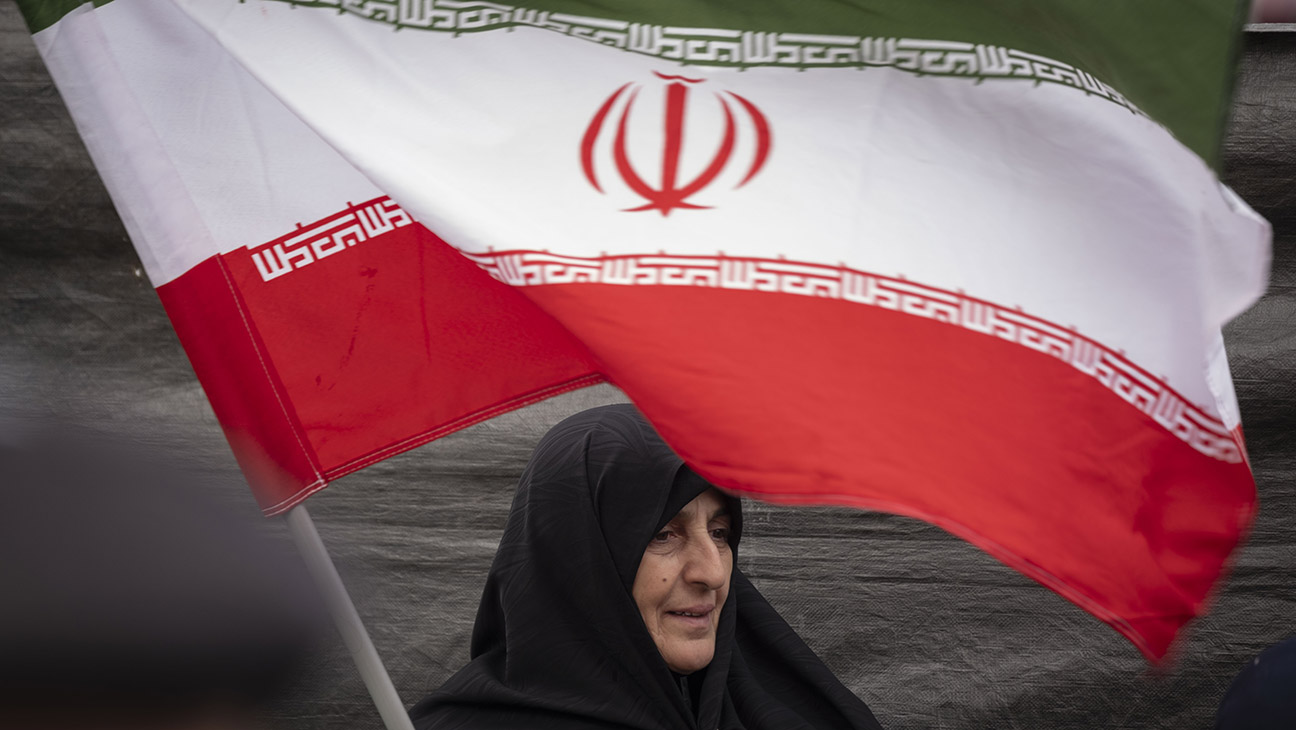
In recent weeks, Iran has witnessed a severe crackdown on dissent as protests against the regime escalate. Demonstrators face violent repression in the streets of Tehran, where reports indicate that protesters are shot and sometimes placed in body bags, even while still alive. The oppressive environment has a profound effect on the nation’s creative community, which has historically struggled against tyranny. Artists, including directors, actors, writers, and musicians, risk imprisonment, exile, or worse for simply expressing their views or advocating for freedom.
The situation for women in Iran remains particularly dire. Women are denied basic rights, including the ability to sing in public. Legal marriage can occur for girls as young as nine, provided a judge and the father consent. The judicial system fails to offer justice for women, LGBTQ individuals, or anyone who dares to challenge the regime. These violations extend beyond abstract human rights issues; they represent systematic and escalating crimes against humanity.
Escalating Violence and Global Inaction
Reports from local sources detail unimaginable levels of brutality over the past month. Instances of torture in prisons, mysterious deaths after release, and the alleged removal of organs under duress have emerged. Women face particularly horrific outcomes, including rape or execution for voicing dissent.
The silence from Hollywood and the broader global creative community is striking. While prominent figures have spoken out about various international crises, from Tibet to South Africa, many have remained conspicuously quiet regarding Iran. When filmmakers like Jafar Panahi are sentenced to prison, and artists face silencing, the failure to act becomes complicity. Advocacy is not merely an option; it is a moral obligation.
Internationally, the protests in Iran have reached a pivotal moment. Citizens are suffocating under the regime’s iron grip, and the call for regime change is both a political and moral imperative. Neutrality in the face of such horror equates to condoning bloodshed, the execution of artists, and the erasure of human dignity.
Reflections on a Lost Childhood
The personal narrative of those who have fled Iran adds a poignant layer to this crisis. One individual recalls leaving Iran at the age of four, holding onto memories of vibrant streets and families enjoying life by the beaches. The contrast between those early memories and the current reality of repression offers a stark reminder of what has been lost.
The legacy of the 1979 Revolution continues to haunt the nation, with influential works like Margaret Atwood‘s *The Handmaid’s Tale* often cited as inspired by such oppressive regimes. Atwood’s portrayal of a society stripped of women’s autonomy pales in comparison to the realities faced by many Iranian women today.
These atrocities necessitate more than fleeting headlines or momentary outrage; they call for sustained global attention and solidarity. The global creative community must amplify the voices of Iranian citizens, defend their artistic expressions, and actively refuse to remain neutral. The time for action is now, as the world must unite against tyranny that threatens not only culture but also humanity itself.

Robinhood Stock Surges 2.5% Today Amid Tech Market Recovery

Philadelphia’s Earth Month Kicks Off with Free Events in Parks

GSK’s Inhaler Decision Sparks Health Concerns for Children

Bradford’s Fish Fry Fridays Offer Community Spirit and Flavor

Speculation Rises on Shutdowns During Trump’s Potential Presidency

Samsung Galaxy Watch 9 to Feature Larger Battery, Report Reveals

Inventors Find New Purpose Through Unconventional Paths

UConn Huskies Aim for Back-to-Back Titles in 2026 NCAA Tournament

U.S. Mine Countermeasure Ships Dock in Malaysia for Logistics Stop

University of Hawaiʻi at Mānoa Joins $25.6M AI Initiative for Disaster Monitoring

$2.2 Million Boost for Cancer Research and Training in Hawaiʻi

ALMA Discovers Companion Orbiting Red Giant Star π 1 Gruis

Sacituzumab Govitecan Shows Promise for HR+/HER2− Breast Cancer

币安人生 Sees $15.92 Million in Trading Volume Amid Market Fluctuations

New Gel Offers Hope for Regrowing Tooth Enamel in Dentistry

CAVA Group Shares Surge 5.1% Amid Mixed Analyst Ratings

Christian Bale in Talks to Join Leonardo DiCaprio in Heat 2

Supreme Court to Review Birthright Citizenship for Children of Immigrants
-
Science9 months ago
University of Hawaiʻi at Mānoa Joins $25.6M AI Initiative for Disaster Monitoring
-
 Health7 months ago
$2.2 Million Boost for Cancer Research and Training in Hawaiʻi
-
 Science8 months ago
ALMA Discovers Companion Orbiting Red Giant Star π 1 Gruis
-
 Health7 months ago
Sacituzumab Govitecan Shows Promise for HR+/HER2− Breast Cancer
-
Politics5 months ago
币安人生 Sees $15.92 Million in Trading Volume Amid Market Fluctuations
-
 Health9 months ago
New Gel Offers Hope for Regrowing Tooth Enamel in Dentistry
-
 Business7 months ago
CAVA Group Shares Surge 5.1% Amid Mixed Analyst Ratings
-
 Entertainment8 months ago
Christian Bale in Talks to Join Leonardo DiCaprio in Heat 2
-
 Politics7 months ago
Supreme Court to Review Birthright Citizenship for Children of Immigrants
-

 Lifestyle8 months ago
Art Deco and Traditional Designs Set to Transform Homes in 2026
-

 Lifestyle7 months ago
Fernando Mendoza Secures Maxwell and O’Brien Awards Ahead of Heisman
-

 World8 months ago
Swiss Residents Reject 50% Inheritance Tax on Wealthy