
Politics
Federal Investigation into DHS Shootings Raises Concerns

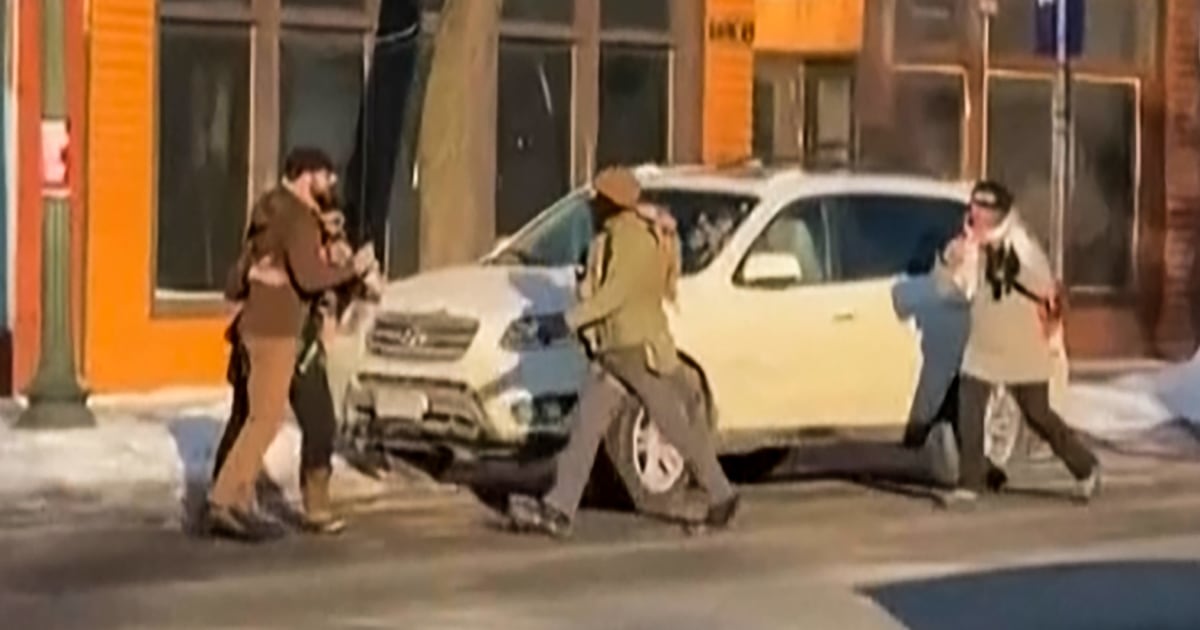
Federal officials are facing scrutiny over their handling of the investigation into the fatal shootings of Renee Good and Alex Pretti by immigration officers in Minneapolis. The inquiries, initiated by the Trump administration, signify a notable shift from traditional practices regarding investigations into high-profile law enforcement incidents. Local prosecutors and former federal officials have voiced concerns about the lack of collaboration with local authorities and the perceived justification of the officers’ actions.
In the aftermath of the shootings, top officials, including Homeland Security Secretary Kristi Noem, publicly defended the immigration officers. Noem described Good as engaging in “domestic terrorism,” while senior aide Stephen Miller labeled Pretti a “would-be assassin.” These statements have been met with skepticism, particularly as eyewitness accounts and video evidence appear to contradict the officials’ narratives.
Questions surrounding the investigation’s independence have intensified, especially after local authorities were excluded from key aspects of the probe. During a federal court hearing, Clare Diegel, an attorney with the Hennepin County Attorney’s Office, expressed her concerns, stating, “Nothing about what is going on here is normal.” The county’s request for evidence preservation has highlighted the unusual nature of federal proceedings in this case, prompting local officials to question the handling of critical evidence.
Historically, the Department of Justice (DOJ) has been proactive in investigating police-involved shootings, often launching probes within days to ensure accountability. This was evident in cases such as those involving Michael Brown in Ferguson, Missouri, and Freddie Gray in Baltimore. In contrast, the current investigation is being led by Homeland Security Investigations and the Office of Professional Responsibility, with the FBI providing assistance but sidelining local law enforcement.
The role of the DOJ’s Civil Rights Division has also come under scrutiny. Under the Trump administration, the division has seen significant cuts, resulting in a diminished capacity to address potential civil rights violations in situations involving law enforcement. Attorney General Pam Bondi has shifted focus toward investigating protesters and allegations of “domestic terrorism,” further complicating the landscape of federal oversight.
Despite the lack of an immediate federal civil rights probe, a DOJ official stated that investigations may evolve if evidence warrants further scrutiny. Currently, the DOJ is reportedly investigating comments made by Minnesota Governor Tim Walz and Minneapolis Mayor Jacob Frey regarding the immigration operations, raising questions about the political motivations behind the federal response.
The fallout from the Good and Pretti shootings has led to resignations among federal prosecutors, as well as an FBI special agent. The DOJ’s internal watchdog has underscored the necessity of public trust in its operations, emphasizing that credibility is essential for fulfilling its mission.
Local officials are struggling to conduct their investigations, hampered by a lack of cooperation from federal agencies. The chaotic circumstances surrounding the shootings involved multiple officers, and video footage from bystanders is currently under review. In the case of Pretti, initial reports indicate that agents used pepper spray before attempting to take him into custody, despite him being legally allowed to carry a firearm.
The Minnesota Bureau of Criminal Apprehension and the Hennepin County Attorney’s Office have taken the unprecedented step of filing a federal lawsuit to prevent the destruction of evidence related to the shootings. Drew Evans, the superintendent of the Bureau, noted that his agents were denied access to the shooting scene despite having a judicial search warrant. “We’re in uncharted territory here,” Evans stated, highlighting the historical cooperation that has typically existed between state and federal entities in similar cases.
Concerns regarding the investigation process have been echoed by Paul Rosenzweig, a national security consultant and former DHS deputy assistant secretary. He remarked that it is highly irregular for local and state officials to be excluded from a DHS-related shooting investigation. Rosenzweig emphasized the importance of sharing information among investigating agencies to assess the situation thoroughly.
Since September, there have been 13 reported shootings involving DHS officers during immigration operations, predominantly in areas governed by Democratic leadership. In at least five instances, individuals shot by agents were charged with crimes, although some charges were later dismissed. The lack of transparency in the investigations into these incidents has raised significant public concern.
In contrast to the situation in Minneapolis, officials in Pima County, Arizona, expressed a different approach following a recent shooting involving immigration officers. Pima County officials stated they were called in to assist with the investigation, indicating a more collaborative model that includes local agencies aiding federal inquiries.
As the investigations continue, the handling of evidence and the degree of cooperation between federal and local authorities remain critical factors in addressing public trust and accountability in law enforcement practices.

Robinhood Stock Surges 2.5% Today Amid Tech Market Recovery

Philadelphia’s Earth Month Kicks Off with Free Events in Parks

GSK’s Inhaler Decision Sparks Health Concerns for Children

Bradford’s Fish Fry Fridays Offer Community Spirit and Flavor

Speculation Rises on Shutdowns During Trump’s Potential Presidency

Samsung Galaxy Watch 9 to Feature Larger Battery, Report Reveals

Inventors Find New Purpose Through Unconventional Paths

UConn Huskies Aim for Back-to-Back Titles in 2026 NCAA Tournament

U.S. Mine Countermeasure Ships Dock in Malaysia for Logistics Stop

University of Hawaiʻi at Mānoa Joins $25.6M AI Initiative for Disaster Monitoring

$2.2 Million Boost for Cancer Research and Training in Hawaiʻi

ALMA Discovers Companion Orbiting Red Giant Star π 1 Gruis

Sacituzumab Govitecan Shows Promise for HR+/HER2− Breast Cancer

币安人生 Sees $15.92 Million in Trading Volume Amid Market Fluctuations

New Gel Offers Hope for Regrowing Tooth Enamel in Dentistry

CAVA Group Shares Surge 5.1% Amid Mixed Analyst Ratings

Christian Bale in Talks to Join Leonardo DiCaprio in Heat 2

Supreme Court to Review Birthright Citizenship for Children of Immigrants
-
Science9 months ago
University of Hawaiʻi at Mānoa Joins $25.6M AI Initiative for Disaster Monitoring
-
 Health7 months ago
$2.2 Million Boost for Cancer Research and Training in Hawaiʻi
-
 Science8 months ago
ALMA Discovers Companion Orbiting Red Giant Star π 1 Gruis
-
 Health7 months ago
Sacituzumab Govitecan Shows Promise for HR+/HER2− Breast Cancer
-
Politics5 months ago
币安人生 Sees $15.92 Million in Trading Volume Amid Market Fluctuations
-
 Health9 months ago
New Gel Offers Hope for Regrowing Tooth Enamel in Dentistry
-
 Business7 months ago
CAVA Group Shares Surge 5.1% Amid Mixed Analyst Ratings
-
 Entertainment8 months ago
Christian Bale in Talks to Join Leonardo DiCaprio in Heat 2
-
 Politics7 months ago
Supreme Court to Review Birthright Citizenship for Children of Immigrants
-

 Lifestyle8 months ago
Art Deco and Traditional Designs Set to Transform Homes in 2026
-

 Lifestyle7 months ago
Fernando Mendoza Secures Maxwell and O’Brien Awards Ahead of Heisman
-

 World8 months ago
Swiss Residents Reject 50% Inheritance Tax on Wealthy