
World
Olympic Officials Reject Ukrainian Athlete’s Tribute Helmet

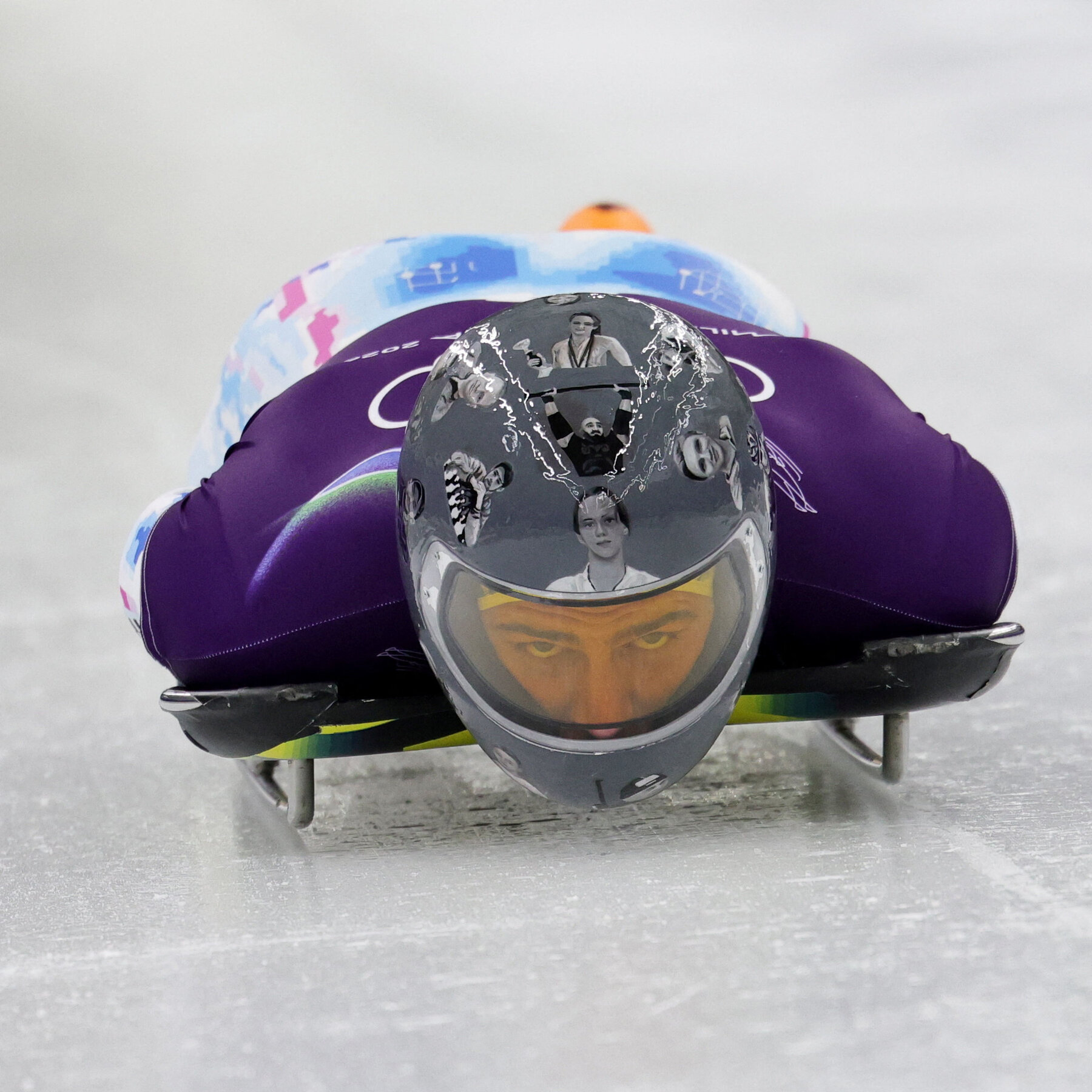
The International Olympic Committee (IOC) has prohibited Ukrainian athlete Vladyslav Heraskevych from wearing a helmet adorned with tributes to athletes who lost their lives in the ongoing conflict with Russia. The IOC stated that the helmet, which Heraskevych designed as a memorial, contradicts established regulations regarding political statements during competition. Instead, the committee has permitted the use of a black armband as a form of tribute.
Heraskevych, who is set to compete in the 2024 Summer Olympics, expressed disappointment with the decision, describing the helmet as a heartfelt homage to those who have died in the war. He emphasized that his intention was to honor the memory of fellow athletes rather than engage in political discourse. The IOC’s ruling reflects its commitment to maintaining neutrality and avoiding political displays at Olympic events.
Regulations and Reactions
The IOC has a long-standing policy against political statements in sports, aiming to keep the Olympic Games free from ideological conflicts. According to the IOC, the helmet design violated these regulations, which are intended to preserve the spirit of the Olympics as a platform for unity and sportsmanship. The organization has allowed athletes to wear a simple black armband, which they believe serves as a more acceptable form of remembrance.
Heraskevych’s helmet featured not only the names of deceased athletes but also symbols that resonate with the Ukrainian public. The decision has sparked various reactions within the athletic community and beyond, with many supporting Heraskevych’s right to honor his fallen compatriots. The Ukrainian Olympic Committee has voiced its support, emphasizing the importance of remembering those who have sacrificed their lives for their country.
Global Implications
This incident highlights the complex interplay between sports and politics, particularly in a global context where the impact of conflicts can extend into the realm of athletics. The IOC’s decision has reignited discussions about how sports organizations handle political expressions and the lengths to which they will go to maintain their policies.
As the 2024 Summer Olympics approach, the incident serves as a reminder of the broader implications of national identity and conflict within the sporting arena. The balance between honoring individual and collective memories while adhering to regulatory frameworks remains a contentious issue.
Heraskevych’s case has drawn attention not only in Ukraine but worldwide, as it raises significant questions about the role of athletes as representatives of their nations in times of crisis. While the IOC seeks to maintain a non-political stance, the emotional weight of such tributes may challenge the effectiveness of these policies in the face of real-world events.
As the Olympics continue to evolve in a rapidly changing geopolitical landscape, the conversation surrounding athletes’ rights to express their beliefs and values will likely remain at the forefront. The outcome of this situation will be closely monitored, as it may set a precedent for how similar cases are handled in the future.

Robinhood Stock Surges 2.5% Today Amid Tech Market Recovery

Philadelphia’s Earth Month Kicks Off with Free Events in Parks

GSK’s Inhaler Decision Sparks Health Concerns for Children

Bradford’s Fish Fry Fridays Offer Community Spirit and Flavor

Speculation Rises on Shutdowns During Trump’s Potential Presidency

Samsung Galaxy Watch 9 to Feature Larger Battery, Report Reveals

Inventors Find New Purpose Through Unconventional Paths

UConn Huskies Aim for Back-to-Back Titles in 2026 NCAA Tournament

U.S. Mine Countermeasure Ships Dock in Malaysia for Logistics Stop

University of Hawaiʻi at Mānoa Joins $25.6M AI Initiative for Disaster Monitoring

$2.2 Million Boost for Cancer Research and Training in Hawaiʻi

ALMA Discovers Companion Orbiting Red Giant Star π 1 Gruis

Sacituzumab Govitecan Shows Promise for HR+/HER2− Breast Cancer

币安人生 Sees $15.92 Million in Trading Volume Amid Market Fluctuations

New Gel Offers Hope for Regrowing Tooth Enamel in Dentistry

CAVA Group Shares Surge 5.1% Amid Mixed Analyst Ratings

Supreme Court to Review Birthright Citizenship for Children of Immigrants

Christian Bale in Talks to Join Leonardo DiCaprio in Heat 2
-
Science9 months ago
University of Hawaiʻi at Mānoa Joins $25.6M AI Initiative for Disaster Monitoring
-
 Health7 months ago
$2.2 Million Boost for Cancer Research and Training in Hawaiʻi
-
 Science8 months ago
ALMA Discovers Companion Orbiting Red Giant Star π 1 Gruis
-
 Health7 months ago
Sacituzumab Govitecan Shows Promise for HR+/HER2− Breast Cancer
-
Politics5 months ago
币安人生 Sees $15.92 Million in Trading Volume Amid Market Fluctuations
-
 Health8 months ago
New Gel Offers Hope for Regrowing Tooth Enamel in Dentistry
-
 Business7 months ago
CAVA Group Shares Surge 5.1% Amid Mixed Analyst Ratings
-
 Politics7 months ago
Supreme Court to Review Birthright Citizenship for Children of Immigrants
-
 Entertainment8 months ago
Christian Bale in Talks to Join Leonardo DiCaprio in Heat 2
-

 Lifestyle8 months ago
Art Deco and Traditional Designs Set to Transform Homes in 2026
-

 Lifestyle7 months ago
Fernando Mendoza Secures Maxwell and O’Brien Awards Ahead of Heisman
-

 World8 months ago
Swiss Residents Reject 50% Inheritance Tax on Wealthy