
World
Australia Initiates Packaging Regulation Reforms to Enhance Recycling

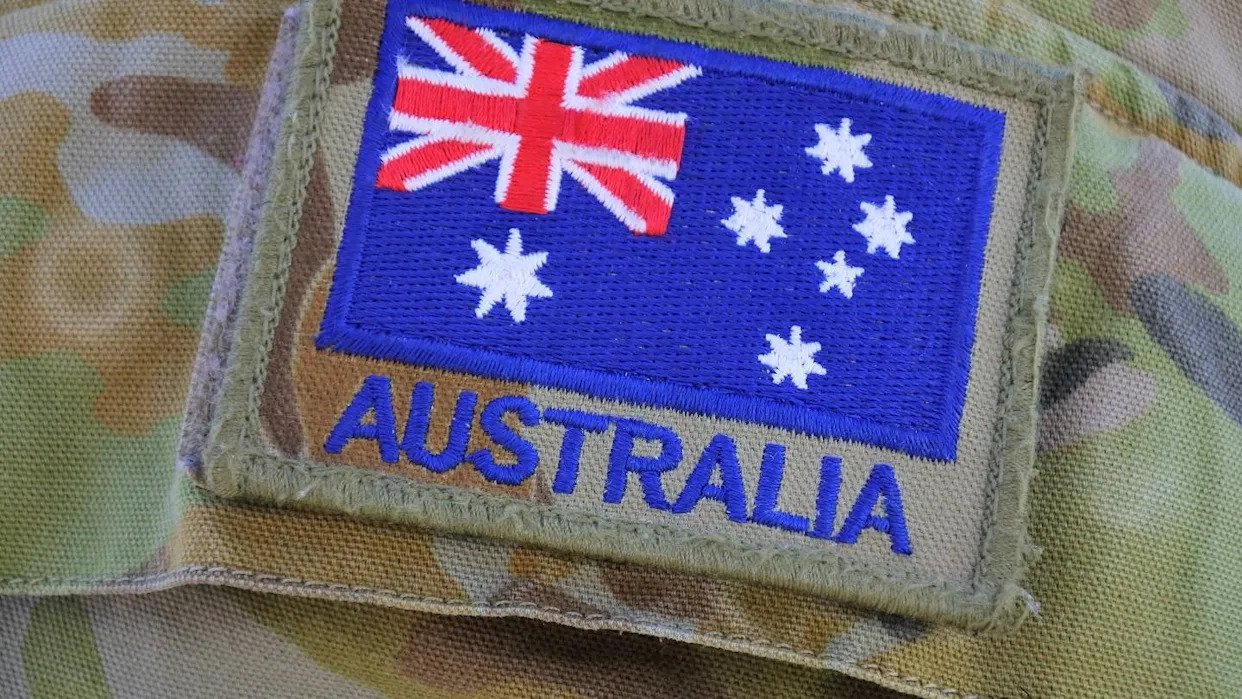
Australia is advancing significant reforms to its packaging regulation framework as part of a national effort to strengthen waste reduction and recycling initiatives. The federal government has released updated guidance that outlines a new approach to national packaging policy, which aims to clarify compliance obligations and enhance outcomes for recycling systems. This shift addresses ongoing concerns regarding fragmented regulations, low recycling rates for certain materials, and increasing volumes of packaging waste.
Push for Consistent National Packaging Rules
The reform programme is spearheaded by the Department of Climate Change, Energy, the Environment and Water. It seeks to create a more cohesive national stance on packaging regulation. Currently, the obligations surrounding packaging heavily rely on voluntary schemes and industry-led targets, supplemented by a mix of state and territory policies. Under the proposed reforms, the government is considering implementing stronger regulatory measures to ensure that packaging introduced to the Australian market is recyclable, reusable, or compostable. Additionally, problematic materials will be phased out to streamline compliance.
The updated framework aligns with national waste targets and aims to reduce confusion for businesses operating across various jurisdictions in Australia.
Stronger Producer Responsibility and Compliance Focus
A central component of the reform initiative is the potential expansion of Extended Producer Responsibility (EPR) for packaging. This would impose clearer legal obligations on packaging producers, brand owners, and importers to manage the environmental impacts of packaging throughout its lifecycle. The reforms also suggest a heightened focus on packaging design, labelling, and data reporting.
Improved information regarding material composition and recyclability is deemed essential for enhancing recycling performance and minimizing contamination within collection systems. For packaging companies, this indicates a shift towards a compliance environment that is more structured and less dependent on voluntary commitments.
The implications of these reforms extend beyond the domestic market, affecting international packaging suppliers and brands that sell packaged goods in Australia. The establishment of clearer national rules may necessitate adjustments to packaging formats, material selections, and reporting practices to align with Australian standards. The government has indicated that ongoing consultation with industry stakeholders and state authorities will be integral to the development of these reforms.
The February 2026 update underscores a broader international trend towards stricter packaging regulations. Market access is increasingly contingent on adhering to defined sustainability and waste management standards, rather than relying on voluntary commitments.
This initiative reflects Australia’s commitment to addressing the challenges posed by packaging waste while promoting a circular economy. As the country moves forward with these reforms, the packaging industry must prepare for a landscape that prioritizes environmental responsibility and accountability.

Robinhood Stock Surges 2.5% Today Amid Tech Market Recovery

Philadelphia’s Earth Month Kicks Off with Free Events in Parks

GSK’s Inhaler Decision Sparks Health Concerns for Children

Bradford’s Fish Fry Fridays Offer Community Spirit and Flavor

Speculation Rises on Shutdowns During Trump’s Potential Presidency

Samsung Galaxy Watch 9 to Feature Larger Battery, Report Reveals

Inventors Find New Purpose Through Unconventional Paths

UConn Huskies Aim for Back-to-Back Titles in 2026 NCAA Tournament

U.S. Mine Countermeasure Ships Dock in Malaysia for Logistics Stop

University of Hawaiʻi at Mānoa Joins $25.6M AI Initiative for Disaster Monitoring

$2.2 Million Boost for Cancer Research and Training in Hawaiʻi

ALMA Discovers Companion Orbiting Red Giant Star π 1 Gruis

Sacituzumab Govitecan Shows Promise for HR+/HER2− Breast Cancer

币安人生 Sees $15.92 Million in Trading Volume Amid Market Fluctuations

New Gel Offers Hope for Regrowing Tooth Enamel in Dentistry

CAVA Group Shares Surge 5.1% Amid Mixed Analyst Ratings

Supreme Court to Review Birthright Citizenship for Children of Immigrants

Christian Bale in Talks to Join Leonardo DiCaprio in Heat 2
-
Science9 months ago
University of Hawaiʻi at Mānoa Joins $25.6M AI Initiative for Disaster Monitoring
-
 Health7 months ago
$2.2 Million Boost for Cancer Research and Training in Hawaiʻi
-
 Science8 months ago
ALMA Discovers Companion Orbiting Red Giant Star π 1 Gruis
-
 Health7 months ago
Sacituzumab Govitecan Shows Promise for HR+/HER2− Breast Cancer
-
Politics5 months ago
币安人生 Sees $15.92 Million in Trading Volume Amid Market Fluctuations
-
 Health8 months ago
New Gel Offers Hope for Regrowing Tooth Enamel in Dentistry
-
 Business7 months ago
CAVA Group Shares Surge 5.1% Amid Mixed Analyst Ratings
-
 Politics7 months ago
Supreme Court to Review Birthright Citizenship for Children of Immigrants
-
 Entertainment8 months ago
Christian Bale in Talks to Join Leonardo DiCaprio in Heat 2
-

 Lifestyle8 months ago
Art Deco and Traditional Designs Set to Transform Homes in 2026
-

 Lifestyle7 months ago
Fernando Mendoza Secures Maxwell and O’Brien Awards Ahead of Heisman
-

 World8 months ago
Swiss Residents Reject 50% Inheritance Tax on Wealthy