
Business
Greeley’s Catalyst-Cascadia Project Sparks Business Divisions

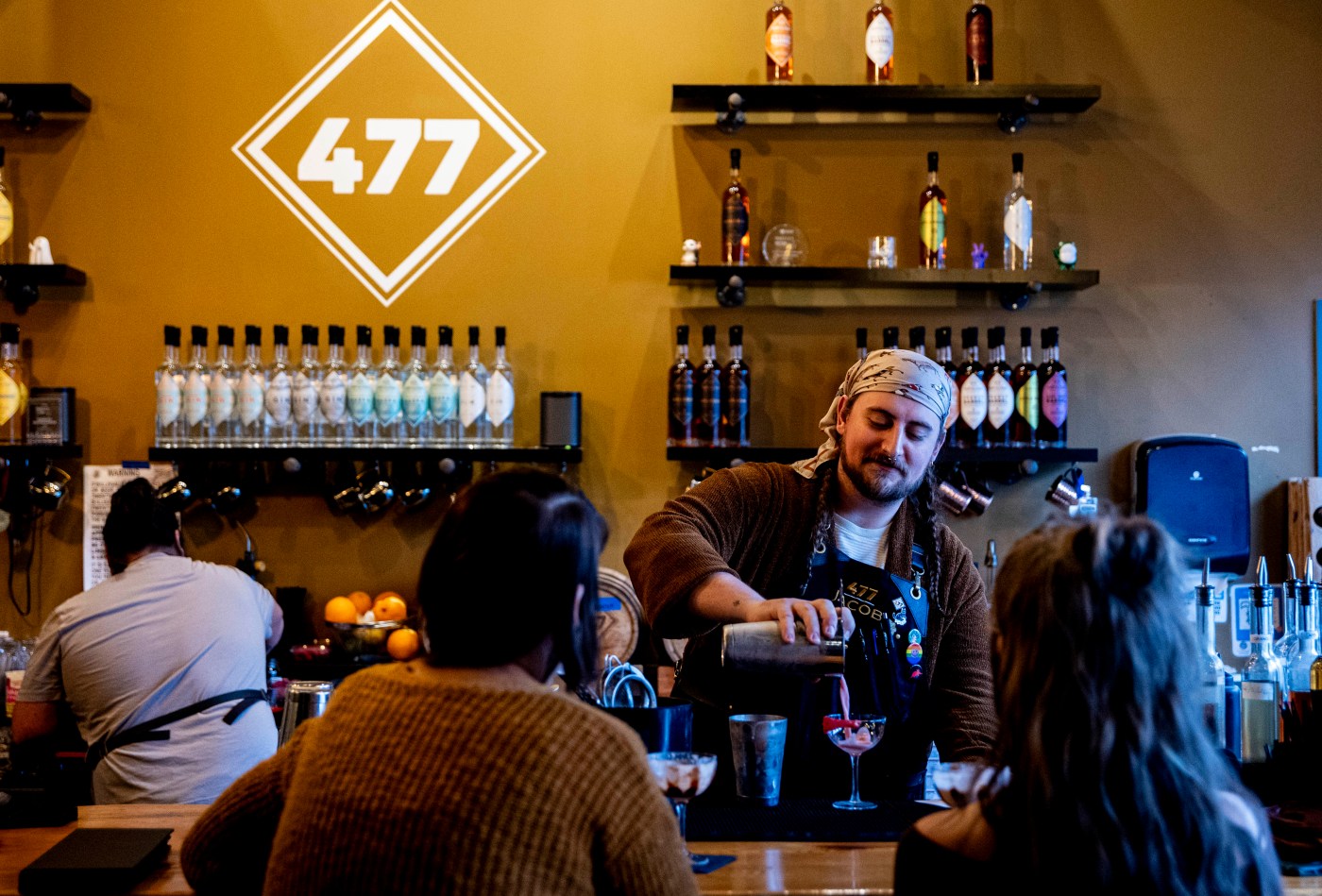
The upcoming vote on Greeley’s ballot question 1A has ignited significant controversy, affecting the local business community and raising concerns about the future of downtown Greeley. The proposed Catalyst-Cascadia project, estimated at $832 million, promises to introduce professional hockey and entertainment while generating almost $500 million in tax revenue over the next three decades. Yet, as discussions heat up, many business owners express reluctance to voice opinions due to fears of alienating customers with differing views.
The question remains: why has a project promising growth and development become a source of division among Greeley residents? The Catalyst-Cascadia site is located approximately 15 miles from downtown, yet the debates surrounding it have permeated the heart of the city. Some business owners, such as Bob Hutson, who co-owns Aunt Helen’s Coffee House & Cafe, suggest that the hesitance to engage in conversation reflects a broader national climate of divisiveness.
While proponents of the project assert that it is primarily privately financed, critics remain skeptical, fearing that the city could incur financial liabilities if projected tax revenues fail to materialize. “People are cautious about expressing their opinions,” Hutson noted. “They prefer to let their votes speak for them.”
The Greeley Downtown Development Authority (DDA) has opted to remain neutral in the debate, with Executive Director Bianca Fisher stating that the organization does not wish to advocate for either side. Fisher acknowledged the mixed feelings about the project, emphasizing the DDA’s commitment to fostering a vibrant downtown community. In her statement, she expressed hope that both the downtown area and the new entertainment district could ultimately thrive together.
Concerns about the project extend beyond financial implications, highlighting the precarious nature of small business ownership. Margaret Thompson, owner of Margie’s Java Joint, expressed apprehension about any development that could deter even a small fraction of her customers. “It’s been a hard few years for small businesses, and we’re wary of alienating customers,” she stated.
The controversy escalated when a previous group attempted to slow the project, leading to a defamation lawsuit against its co-chairs, which was dismissed by a judge. The legal battles and social media exchanges have only amplified the confusion surrounding the project, with competing groups emerging. Greeley Forward advocates for the Catalyst-Cascadia development, while Greeley Demands Better seeks to delay it.
Matt Estrin, owner of two downtown businesses, commented on the contentious atmosphere, suggesting that both factions are using downtown as a battleground for their arguments. “I’m not sure downtown is as affected as both sides claim,” he remarked. Proponents argue that the project will attract visitors who will subsequently support downtown businesses, while critics fear it may detract customers from the area.
The ballot question itself has contributed to the confusion, as it does not present a straightforward choice. A “yes” vote would revert zoning for the proposed site to its previous agricultural designation, effectively halting the project, while a “no” vote would preserve the current zoning and allow Catalyst-Cascadia to move forward.
As the vote approaches on February 24, 2026, the local business community is preparing for the potential ramifications of the outcome. Ron Redfern, owner of The Cow Saloon & Eatery, expressed his support for the project, believing it could ultimately benefit Greeley through increased tax revenue. “I love it,” he said, noting the fear among business owners about the impact of taking a public stance on the issue.
Redfern emphasized the need for Greeley to compete with neighboring areas for economic growth, arguing that Catalyst-Cascadia could draw visitors and revenue back into the city. Meanwhile, Hutson raised concerns about the project’s potential impact on downtown nightlife and the overall development of the area.
Ultimately, the fate of the Catalyst-Cascadia project will depend on the decision of Greeley voters. As ballots must be returned by mail or at designated drop box locations by 7 p.m. on the voting date, the community remains poised for what could be a pivotal moment for Greeley’s future. The ongoing discourse surrounding the project highlights the complexities of urban development and its potential to shape the fabric of local economies and communities.

Robinhood Stock Surges 2.5% Today Amid Tech Market Recovery

Philadelphia’s Earth Month Kicks Off with Free Events in Parks

GSK’s Inhaler Decision Sparks Health Concerns for Children

Bradford’s Fish Fry Fridays Offer Community Spirit and Flavor

Speculation Rises on Shutdowns During Trump’s Potential Presidency

Samsung Galaxy Watch 9 to Feature Larger Battery, Report Reveals

Inventors Find New Purpose Through Unconventional Paths

UConn Huskies Aim for Back-to-Back Titles in 2026 NCAA Tournament

U.S. Mine Countermeasure Ships Dock in Malaysia for Logistics Stop

University of Hawaiʻi at Mānoa Joins $25.6M AI Initiative for Disaster Monitoring

$2.2 Million Boost for Cancer Research and Training in Hawaiʻi

ALMA Discovers Companion Orbiting Red Giant Star π 1 Gruis

Sacituzumab Govitecan Shows Promise for HR+/HER2− Breast Cancer

币安人生 Sees $15.92 Million in Trading Volume Amid Market Fluctuations

New Gel Offers Hope for Regrowing Tooth Enamel in Dentistry

CAVA Group Shares Surge 5.1% Amid Mixed Analyst Ratings

Christian Bale in Talks to Join Leonardo DiCaprio in Heat 2

Supreme Court to Review Birthright Citizenship for Children of Immigrants
-
Science9 months ago
University of Hawaiʻi at Mānoa Joins $25.6M AI Initiative for Disaster Monitoring
-
 Health7 months ago
$2.2 Million Boost for Cancer Research and Training in Hawaiʻi
-
 Science8 months ago
ALMA Discovers Companion Orbiting Red Giant Star π 1 Gruis
-
 Health7 months ago
Sacituzumab Govitecan Shows Promise for HR+/HER2− Breast Cancer
-
Politics5 months ago
币安人生 Sees $15.92 Million in Trading Volume Amid Market Fluctuations
-
 Health8 months ago
New Gel Offers Hope for Regrowing Tooth Enamel in Dentistry
-
 Business7 months ago
CAVA Group Shares Surge 5.1% Amid Mixed Analyst Ratings
-
 Entertainment8 months ago
Christian Bale in Talks to Join Leonardo DiCaprio in Heat 2
-
 Politics7 months ago
Supreme Court to Review Birthright Citizenship for Children of Immigrants
-

 Lifestyle8 months ago
Art Deco and Traditional Designs Set to Transform Homes in 2026
-

 Lifestyle7 months ago
Fernando Mendoza Secures Maxwell and O’Brien Awards Ahead of Heisman
-

 World8 months ago
Swiss Residents Reject 50% Inheritance Tax on Wealthy