
World
Delta Air Lines Apologizes for Damage to Wheelchair of Advocate

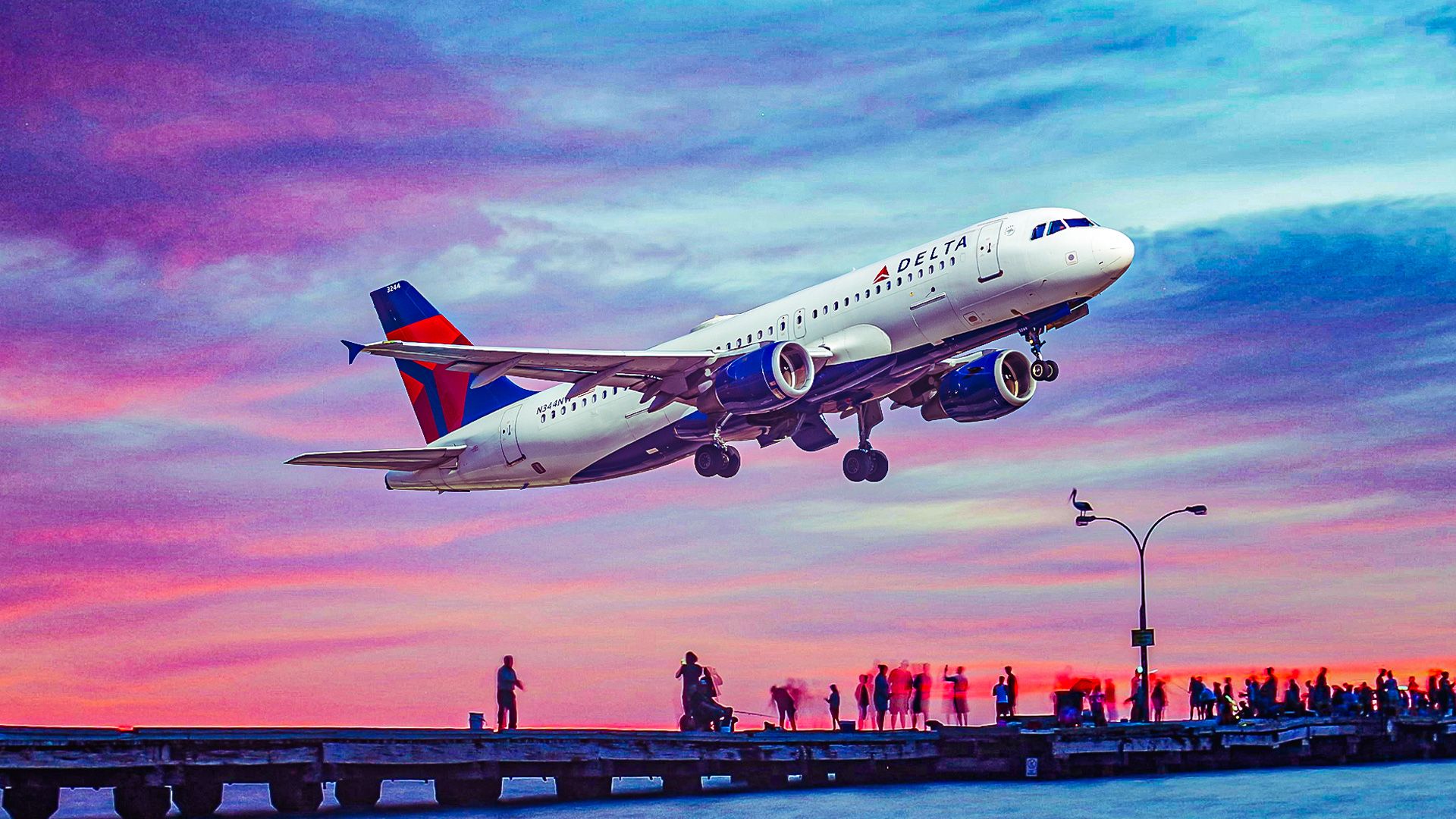
A passenger’s wheelchair was severely damaged during a Delta Air Lines flight, prompting an apology from the airline. Latavia Sturdivant, a 33-year-old advocate and current holder of the title Ms. Wheelchair America 2026, has faced significant challenges since the incident, which occurred on January 30, 2023, as she traveled to her home in North Dakota. The damage to her specialized wheelchair has left her in constant pain and unable to perform her daily work.
Sturdivant, who has cerebral palsy and scoliosis, reported that upon arriving at her destination, she discovered her wheelchair was rendered unsafe due to damaged motors and brakes. This chair, which had undergone major repairs just months prior, is essential for her to maintain proper body alignment and prevent painful contractions. As a result, she has been unable to fulfill her professional and advocacy commitments, relying on her mother for assistance in her daily activities.
In response to the situation, Delta Air Lines issued an apology and committed to covering the costs associated with the wheelchair’s repairs. The airline is currently awaiting a cost assessment from the vendor before proceeding. A spokesperson for Delta stated, “Delta understands the fundamental impact that any damaged mobility aid has on an individual and their daily life. We sincerely apologize for this customer’s experience that did not live up to our standards, and we are in touch with them to ensure we make things right.”
Damaged Wheelchair Affects Daily Life
Sturdivant’s wheelchair was checked in for the flight, as is common for larger personal mobility devices. Passengers often transition to airline-provided chairs for the duration of the flight, but Sturdivant expressed concern that her custom wheelchair was treated “kind of like luggage” during handling. She believes it may have been subjected to rough treatment by baggage teams.
The incident highlights ongoing issues faced by disabled passengers when relying on air travel. Sturdivant has called for improvements in how airlines handle mobility devices, emphasizing that Delta and other carriers need to prioritize the care and safety of such essential equipment. According to Delta’s website, passengers whose wheelchairs are damaged during transit can file claims and receive temporary loaner chairs while awaiting repairs.
Sturdivant has also criticized both Delta and Medicaid for what she views as insufficient support. She is advocating for changes to Medicaid rules that would allow for full reimbursement for passengers using durable medical equipment, like specialized wheelchairs. This situation is further complicated by a proposed rule under the Biden Administration that would enhance air passenger rights for wheelchair users, though it has not yet been enacted into law.
Broader Context in Air Travel
The issue of damaged wheelchairs is not isolated. It reflects a broader trend affecting many disabled passengers across U.S. airlines. A notable incident occurred in 2019 involving a United Airlines passenger, highlighting the challenges faced by those who rely on custom mobility aids during air travel.
Delta has indicated that for passengers with wheelchairs meeting specific size restrictions—no larger than 13” x 36” x 42”—the devices can be brought onboard the aircraft. Passengers must also complete a Mobility Device Handling Form prior to flying.
As Sturdivant continues to navigate the aftermath of her wheelchair damage, she remains hopeful for change that will improve the travel experience for all passengers with disabilities. Her advocacy efforts underscore the need for increased awareness and better practices in the airline industry regarding the treatment of mobility aids.

Robinhood Stock Surges 2.5% Today Amid Tech Market Recovery

Philadelphia’s Earth Month Kicks Off with Free Events in Parks

GSK’s Inhaler Decision Sparks Health Concerns for Children

Bradford’s Fish Fry Fridays Offer Community Spirit and Flavor

Speculation Rises on Shutdowns During Trump’s Potential Presidency

Samsung Galaxy Watch 9 to Feature Larger Battery, Report Reveals

Inventors Find New Purpose Through Unconventional Paths

UConn Huskies Aim for Back-to-Back Titles in 2026 NCAA Tournament

U.S. Mine Countermeasure Ships Dock in Malaysia for Logistics Stop

University of Hawaiʻi at Mānoa Joins $25.6M AI Initiative for Disaster Monitoring

$2.2 Million Boost for Cancer Research and Training in Hawaiʻi

ALMA Discovers Companion Orbiting Red Giant Star π 1 Gruis

Sacituzumab Govitecan Shows Promise for HR+/HER2− Breast Cancer

币安人生 Sees $15.92 Million in Trading Volume Amid Market Fluctuations

New Gel Offers Hope for Regrowing Tooth Enamel in Dentistry

CAVA Group Shares Surge 5.1% Amid Mixed Analyst Ratings

Christian Bale in Talks to Join Leonardo DiCaprio in Heat 2

Supreme Court to Review Birthright Citizenship for Children of Immigrants
-
Science8 months ago
University of Hawaiʻi at Mānoa Joins $25.6M AI Initiative for Disaster Monitoring
-
 Health7 months ago
$2.2 Million Boost for Cancer Research and Training in Hawaiʻi
-
 Science8 months ago
ALMA Discovers Companion Orbiting Red Giant Star π 1 Gruis
-
 Health7 months ago
Sacituzumab Govitecan Shows Promise for HR+/HER2− Breast Cancer
-
Politics5 months ago
币安人生 Sees $15.92 Million in Trading Volume Amid Market Fluctuations
-
 Health8 months ago
New Gel Offers Hope for Regrowing Tooth Enamel in Dentistry
-
 Business7 months ago
CAVA Group Shares Surge 5.1% Amid Mixed Analyst Ratings
-
 Entertainment8 months ago
Christian Bale in Talks to Join Leonardo DiCaprio in Heat 2
-
 Politics7 months ago
Supreme Court to Review Birthright Citizenship for Children of Immigrants
-

 Lifestyle8 months ago
Art Deco and Traditional Designs Set to Transform Homes in 2026
-

 Lifestyle7 months ago
Fernando Mendoza Secures Maxwell and O’Brien Awards Ahead of Heisman
-

 World8 months ago
Swiss Residents Reject 50% Inheritance Tax on Wealthy