
Business
Whatley Advocates for Congressional Stock Trading Ban in Senate Race

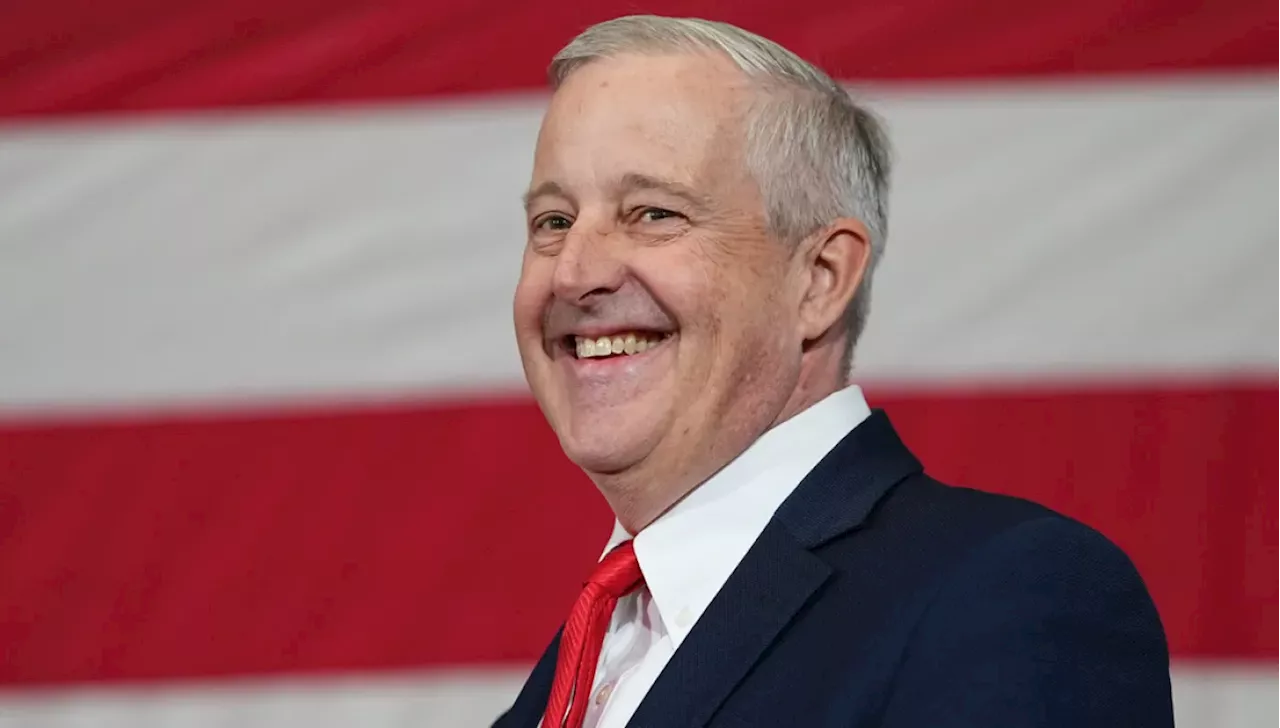
Michael Whatley, a prominent candidate in the North Carolina Senate race, has voiced strong support for banning individual stock trading among members of Congress. In a recent statement, Whatley emphasized the need for lawmakers to either divest from individual stocks or place their assets into qualified blind trusts. This proposal aims to eliminate potential conflicts of interest that could arise when lawmakers shape federal policy while holding significant financial portfolios.
“Whatley stated, ‘Public service should never be about personal profit,’ highlighting the growing concern over the integrity of congressional responsibilities. He believes that tying lawmakers’ financial interests to their policy decisions undermines public trust. The call for stricter regulations comes amid increasing scrutiny of congressional trading practices, as both parties in Washington explore measures to tighten existing rules.
Growing Bipartisan Support for Trading Restrictions
The issue of congressional stock trading has gained momentum in recent months, with various lawmakers proposing competing plans. House Republicans have suggested a compromise that would prohibit new individual stock purchases while allowing lawmakers to retain existing assets. Critics, including some Democrats and ethics advocates, argue that this approach does not go far enough to address the potential for conflicts of interest.
Concerns over lawmakers’ involvement in stock trading have been fueled by high-profile cases, such as those involving former House Speaker Nancy Pelosi and former North Carolina Senator Richard Burr. Pelosi has faced backlash over the timing and size of stock trades made by her family, while Burr sold stocks shortly before the COVID-19 pandemic led to a significant market downturn. Although Burr claimed his trades were based solely on public information, he was investigated and ultimately cleared of wrongdoing.
Polling data indicates broad public support for tighter restrictions on congressional trading, yet efforts to implement stricter bans have repeatedly stalled. Whatley’s advocacy for a clear ban may resonate with voters who are increasingly wary of perceived self-dealing among elected officials.
Implications for the North Carolina Senate Race
As the North Carolina Senate race intensifies, Whatley’s position on stock trading aligns him closely with broader party sentiments, particularly among Republicans who view the issue as critical to restoring faith in government. The race is expected to be one of the most competitive in the upcoming electoral cycle, with significant resources allocated by both parties as they vie for control of the Senate.
Whatley’s likely opponent, former North Carolina Governor Roy Cooper, is also expected to address the issue of accountability in government. While both parties signal support for trading restrictions, it remains to be seen how much this topic will shape the overall campaign narrative as the election approaches in 2026.
As candidates focus on addressing voter skepticism about Washington, the call for a ban on congressional stock trading may serve as a litmus test for their commitment to ethical governance, allowing voters to evaluate their priorities as the race unfolds.

Robinhood Stock Surges 2.5% Today Amid Tech Market Recovery

Philadelphia’s Earth Month Kicks Off with Free Events in Parks

GSK’s Inhaler Decision Sparks Health Concerns for Children

Bradford’s Fish Fry Fridays Offer Community Spirit and Flavor

Speculation Rises on Shutdowns During Trump’s Potential Presidency

Samsung Galaxy Watch 9 to Feature Larger Battery, Report Reveals

Inventors Find New Purpose Through Unconventional Paths

UConn Huskies Aim for Back-to-Back Titles in 2026 NCAA Tournament

U.S. Mine Countermeasure Ships Dock in Malaysia for Logistics Stop

University of Hawaiʻi at Mānoa Joins $25.6M AI Initiative for Disaster Monitoring

$2.2 Million Boost for Cancer Research and Training in Hawaiʻi

ALMA Discovers Companion Orbiting Red Giant Star π 1 Gruis

Sacituzumab Govitecan Shows Promise for HR+/HER2− Breast Cancer

币安人生 Sees $15.92 Million in Trading Volume Amid Market Fluctuations

New Gel Offers Hope for Regrowing Tooth Enamel in Dentistry

CAVA Group Shares Surge 5.1% Amid Mixed Analyst Ratings

Christian Bale in Talks to Join Leonardo DiCaprio in Heat 2

Supreme Court to Review Birthright Citizenship for Children of Immigrants
-
Science8 months ago
University of Hawaiʻi at Mānoa Joins $25.6M AI Initiative for Disaster Monitoring
-
 Health7 months ago
$2.2 Million Boost for Cancer Research and Training in Hawaiʻi
-
 Science8 months ago
ALMA Discovers Companion Orbiting Red Giant Star π 1 Gruis
-
 Health7 months ago
Sacituzumab Govitecan Shows Promise for HR+/HER2− Breast Cancer
-
Politics4 months ago
币安人生 Sees $15.92 Million in Trading Volume Amid Market Fluctuations
-
 Health8 months ago
New Gel Offers Hope for Regrowing Tooth Enamel in Dentistry
-
 Business7 months ago
CAVA Group Shares Surge 5.1% Amid Mixed Analyst Ratings
-
 Entertainment8 months ago
Christian Bale in Talks to Join Leonardo DiCaprio in Heat 2
-
 Politics7 months ago
Supreme Court to Review Birthright Citizenship for Children of Immigrants
-

 Lifestyle8 months ago
Art Deco and Traditional Designs Set to Transform Homes in 2026
-

 Lifestyle7 months ago
Fernando Mendoza Secures Maxwell and O’Brien Awards Ahead of Heisman
-

 World8 months ago
Swiss Residents Reject 50% Inheritance Tax on Wealthy