
Politics
Texas Funeral Commission Faces Crisis Amid Audit Fallout

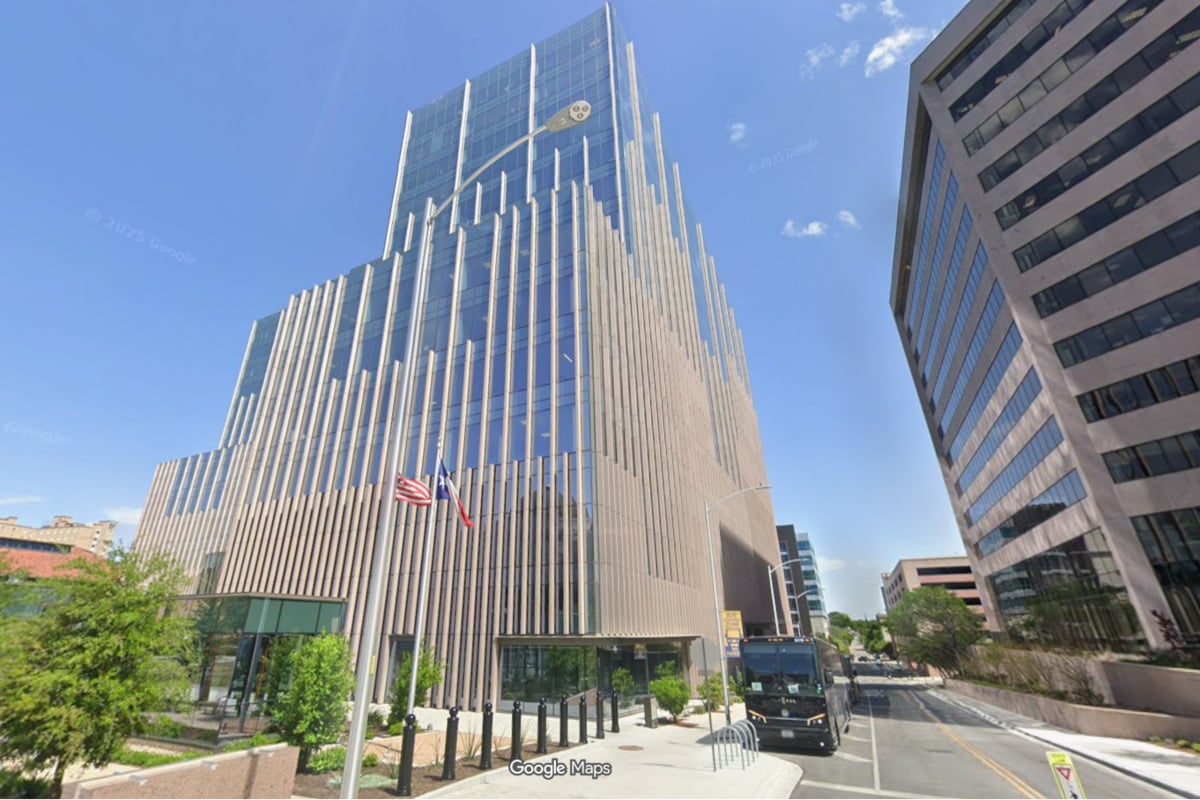
The Texas Funeral Commission has plunged into turmoil following a state audit that revealed severe mismanagement and a series of abrupt staff firings. Families have been left waiting for over a year for resolutions to their complaints as the agency struggles to manage its responsibilities, which now include oversight of body-donation programs. The agency’s internal issues have transformed it from a bureaucratic entity into a crisis zone, raising concerns about its ability to safeguard public interest.
Audit Unveils Serious Management Failures
A detailed audit released in March 2023 by the Texas State Auditor’s Office exposed critical deficiencies in the commission’s financial controls and record management. The report highlighted unsecured cash, checks, and money orders, alongside untraceable accounting discrepancies. Alarmingly, four former employees retained access to the agency’s network after their departure. Most concerning was a three-month period starting in August 2022, during which the commission ceased tracking complaints, leaving at least 39 unresolved cases hanging in limbo.
These findings underscored the commission’s inability to effectively investigate complaints, thus jeopardizing the protection of families relying on its services.
Leadership Changes and Legal Challenges
In response to the audit, Scott Bingaman, the newly appointed executive director, along with staff attorney Sarah Sanders, began addressing the backlog and operational failures during their tenure in 2024. The agency managed to inspect 138 establishments in the last quarter of that year, although the average time to resolve a complaint was a staggering 427 days. By the first quarter of 2025, that number improved slightly to about 345 days.
Despite these efforts, Bingaman was unexpectedly dismissed by the commission, leading him to file a lawsuit against Chair Kristin Tips and other commissioners, alleging misuse of state resources. Sanders and other legal staff faced similar terminations and were briefly involved in legal disputes with the commission, which later dropped its suit against Sanders.
Questions surrounding potential conflicts of interest have arisen, particularly regarding Tips, who owns Mission Park Funeral Chapels in San Antonio. Her advocacy for legislation that would limit damages for funeral home mistakes has drawn criticism that it could directly benefit her business. Local media coverage has intensified scrutiny of her actions, with calls for her resignation growing louder.
Public Outcry Following Disturbing Revelations
The commission’s troubles escalated when a viral video revealed appalling conditions at the Richardson Mortuary in Houston. Following public outcry and multiple complaints, the commission issued an emergency cease-and-desist order in April 2025. Inspectors reported finding bodies and cremated remains stored in unsanitary environments, prompting collaboration with local law enforcement to identify the deceased. This incident has heightened scrutiny of the commission’s operations and its ongoing recordkeeping challenges.
The legal ramifications of Bingaman’s lawsuit, alongside the commission’s tumultuous history, have sparked further concerns about its governance and accountability. The agency now faces multiple lawsuits linked to its operational decisions while simultaneously expanding its oversight responsibilities to anatomical donation programs, despite warnings that it lacks the necessary resources to manage this additional workload.
Calls for Reform and Increased Oversight
The fallout from the commission’s operational failures has left families feeling vulnerable. Many had already expressed concerns about the handling of their loved ones, and the agency’s collapse in oversight has compounded their fears. Two years prior, state auditors had warned that significant reforms were necessary before the commission could take on any new responsibilities.
Editorial boards and watchdog groups have emphasized the need for lawmakers to refrain from imposing additional duties on the commission until core operational controls are firmly established. The Dallas Morning News highlighted this point when the audit first came to light, arguing that the agency must first demonstrate its capacity to protect grieving families effectively.
As the Texas Funeral Commission grapples with its current crisis, the future of its oversight capabilities hinges on the successful implementation of reforms. Without these changes, the agency risks further erosion of public trust and continued legal challenges that could undermine its core mission.

Robinhood Stock Surges 2.5% Today Amid Tech Market Recovery

Philadelphia’s Earth Month Kicks Off with Free Events in Parks

GSK’s Inhaler Decision Sparks Health Concerns for Children

Bradford’s Fish Fry Fridays Offer Community Spirit and Flavor

Speculation Rises on Shutdowns During Trump’s Potential Presidency

Samsung Galaxy Watch 9 to Feature Larger Battery, Report Reveals

Inventors Find New Purpose Through Unconventional Paths

UConn Huskies Aim for Back-to-Back Titles in 2026 NCAA Tournament

U.S. Mine Countermeasure Ships Dock in Malaysia for Logistics Stop

University of Hawaiʻi at Mānoa Joins $25.6M AI Initiative for Disaster Monitoring

$2.2 Million Boost for Cancer Research and Training in Hawaiʻi

ALMA Discovers Companion Orbiting Red Giant Star π 1 Gruis

Sacituzumab Govitecan Shows Promise for HR+/HER2− Breast Cancer

币安人生 Sees $15.92 Million in Trading Volume Amid Market Fluctuations

New Gel Offers Hope for Regrowing Tooth Enamel in Dentistry

CAVA Group Shares Surge 5.1% Amid Mixed Analyst Ratings

Christian Bale in Talks to Join Leonardo DiCaprio in Heat 2

Supreme Court to Review Birthright Citizenship for Children of Immigrants
-
Science8 months ago
University of Hawaiʻi at Mānoa Joins $25.6M AI Initiative for Disaster Monitoring
-
 Health7 months ago
$2.2 Million Boost for Cancer Research and Training in Hawaiʻi
-
 Science8 months ago
ALMA Discovers Companion Orbiting Red Giant Star π 1 Gruis
-
 Health7 months ago
Sacituzumab Govitecan Shows Promise for HR+/HER2− Breast Cancer
-
Politics4 months ago
币安人生 Sees $15.92 Million in Trading Volume Amid Market Fluctuations
-
 Health8 months ago
New Gel Offers Hope for Regrowing Tooth Enamel in Dentistry
-
 Business7 months ago
CAVA Group Shares Surge 5.1% Amid Mixed Analyst Ratings
-
 Entertainment8 months ago
Christian Bale in Talks to Join Leonardo DiCaprio in Heat 2
-
 Politics7 months ago
Supreme Court to Review Birthright Citizenship for Children of Immigrants
-

 Lifestyle8 months ago
Art Deco and Traditional Designs Set to Transform Homes in 2026
-

 Lifestyle7 months ago
Fernando Mendoza Secures Maxwell and O’Brien Awards Ahead of Heisman
-

 World8 months ago
Swiss Residents Reject 50% Inheritance Tax on Wealthy