
Science
Unpacking the Seven Kingdoms: Aegon’s Legacy in Westeros

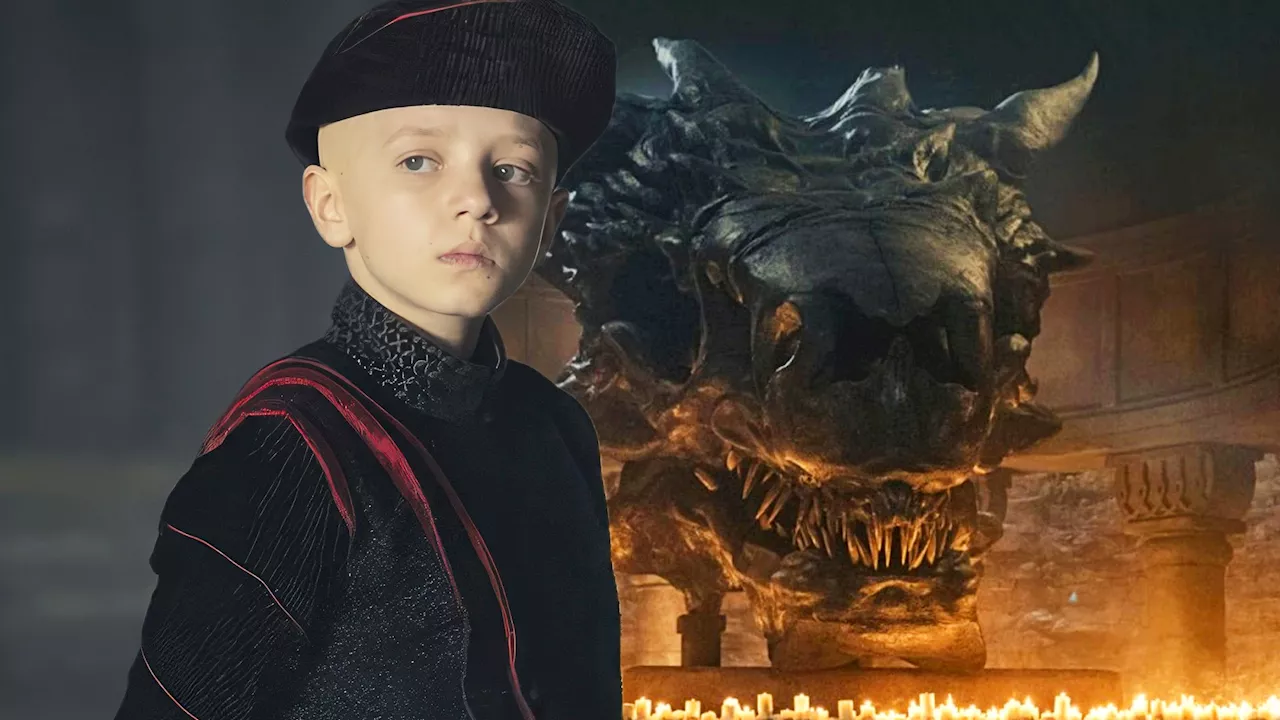
The intricate history of the Seven Kingdoms of Westeros has captivated audiences, particularly with the recent rise of interest in related television series. This exploration delves into the historical backdrop of Aegon the Conqueror’s conquest, the formation of the Targaryen dynasty, and the political dynamics that defined the region. As new adaptations surface, including a prequel that promises to enrich this lore, understanding the complexities of Westeros becomes ever more relevant.
The Conquest and Its Aftermath
In the early days of Westeros, before Aegon the Conqueror unified the land, it was fragmented into seven distinct kingdoms. This division, although significant, was not without its complications. Aegon, along with his sister-wives, Rhaenys and Visenya, launched a campaign from their home on Dragonstone, aiming to consolidate power across the mainland.
Despite his military prowess and the advantage of three dragons, the conquest was not seamless. Dorne notably resisted Aegon’s rule, refusing to align with the Iron Throne until over a century later. This defiance illustrates the complexities of governance in a land with diverse cultures and histories. Over time, however, Aegon established himself as king, and the Targaryens became synonymous with the Seven Kingdoms, even if technically, they ruled over only six at the outset.
The name “Seven Kingdoms” holds a symbolic significance linked to the Faith of the Seven, which Aegon sought to align with. This connection was crucial for garnering support from local lords and communities. As a result, House Tully was granted control of the riverlands, further solidifying the Targaryen claim to the title of king.
New Adaptations and Expanding Lore
Recent adaptations, particularly those by HBO, have sparked renewed interest in the lore surrounding Aegon’s Conquest. The forthcoming prequel is set to depict a divided Westeros, showcasing the political intricacies that existed prior to Aegon’s unification of the realm. This narrative approach aims to highlight the distinct rulers of each region, offering a deeper exploration of their motivations and challenges.
While the television series has often remained self-contained, it has made subtle nods to the broader narrative found in George R. R. Martin’s A Song of Ice and Fire. For instance, references to “the Others” instead of “White Walkers” maintain a connection to the source material, enriching the viewing experience for fans familiar with the books.
As the series progresses, viewers may expect clarification on certain historical aspects that were not fully addressed in the original show. The concept of the Seven Kingdoms and the significance of Aegon’s rule are likely to be pivotal themes in the upcoming prequel, providing context for both seasoned fans and newcomers.
The legacy of Aegon the Conqueror continues to influence the cultural landscape of Westeros. With new narratives unfolding, audiences are poised to gain a comprehensive understanding of the historical events that shaped this iconic fantasy realm. As a result, the ongoing evolution of the Seven Kingdoms story promises to engage viewers and expand the lore in exciting ways.

Robinhood Stock Surges 2.5% Today Amid Tech Market Recovery

Philadelphia’s Earth Month Kicks Off with Free Events in Parks

GSK’s Inhaler Decision Sparks Health Concerns for Children

Bradford’s Fish Fry Fridays Offer Community Spirit and Flavor

Speculation Rises on Shutdowns During Trump’s Potential Presidency

Samsung Galaxy Watch 9 to Feature Larger Battery, Report Reveals

Inventors Find New Purpose Through Unconventional Paths

UConn Huskies Aim for Back-to-Back Titles in 2026 NCAA Tournament

U.S. Mine Countermeasure Ships Dock in Malaysia for Logistics Stop

University of Hawaiʻi at Mānoa Joins $25.6M AI Initiative for Disaster Monitoring

$2.2 Million Boost for Cancer Research and Training in Hawaiʻi

ALMA Discovers Companion Orbiting Red Giant Star π 1 Gruis

Sacituzumab Govitecan Shows Promise for HR+/HER2− Breast Cancer

币安人生 Sees $15.92 Million in Trading Volume Amid Market Fluctuations

New Gel Offers Hope for Regrowing Tooth Enamel in Dentistry

CAVA Group Shares Surge 5.1% Amid Mixed Analyst Ratings

Christian Bale in Talks to Join Leonardo DiCaprio in Heat 2

Supreme Court to Review Birthright Citizenship for Children of Immigrants
-
Science8 months ago
University of Hawaiʻi at Mānoa Joins $25.6M AI Initiative for Disaster Monitoring
-
 Health7 months ago
$2.2 Million Boost for Cancer Research and Training in Hawaiʻi
-
 Science8 months ago
ALMA Discovers Companion Orbiting Red Giant Star π 1 Gruis
-
 Health7 months ago
Sacituzumab Govitecan Shows Promise for HR+/HER2− Breast Cancer
-
Politics4 months ago
币安人生 Sees $15.92 Million in Trading Volume Amid Market Fluctuations
-
 Health8 months ago
New Gel Offers Hope for Regrowing Tooth Enamel in Dentistry
-
 Business7 months ago
CAVA Group Shares Surge 5.1% Amid Mixed Analyst Ratings
-
 Entertainment8 months ago
Christian Bale in Talks to Join Leonardo DiCaprio in Heat 2
-
 Politics7 months ago
Supreme Court to Review Birthright Citizenship for Children of Immigrants
-

 Lifestyle8 months ago
Art Deco and Traditional Designs Set to Transform Homes in 2026
-

 Lifestyle7 months ago
Fernando Mendoza Secures Maxwell and O’Brien Awards Ahead of Heisman
-

 World7 months ago
Swiss Residents Reject 50% Inheritance Tax on Wealthy