
Science
Philadelphia Researchers Develop ‘Cyborg’ Pancreas to Combat Diabetes

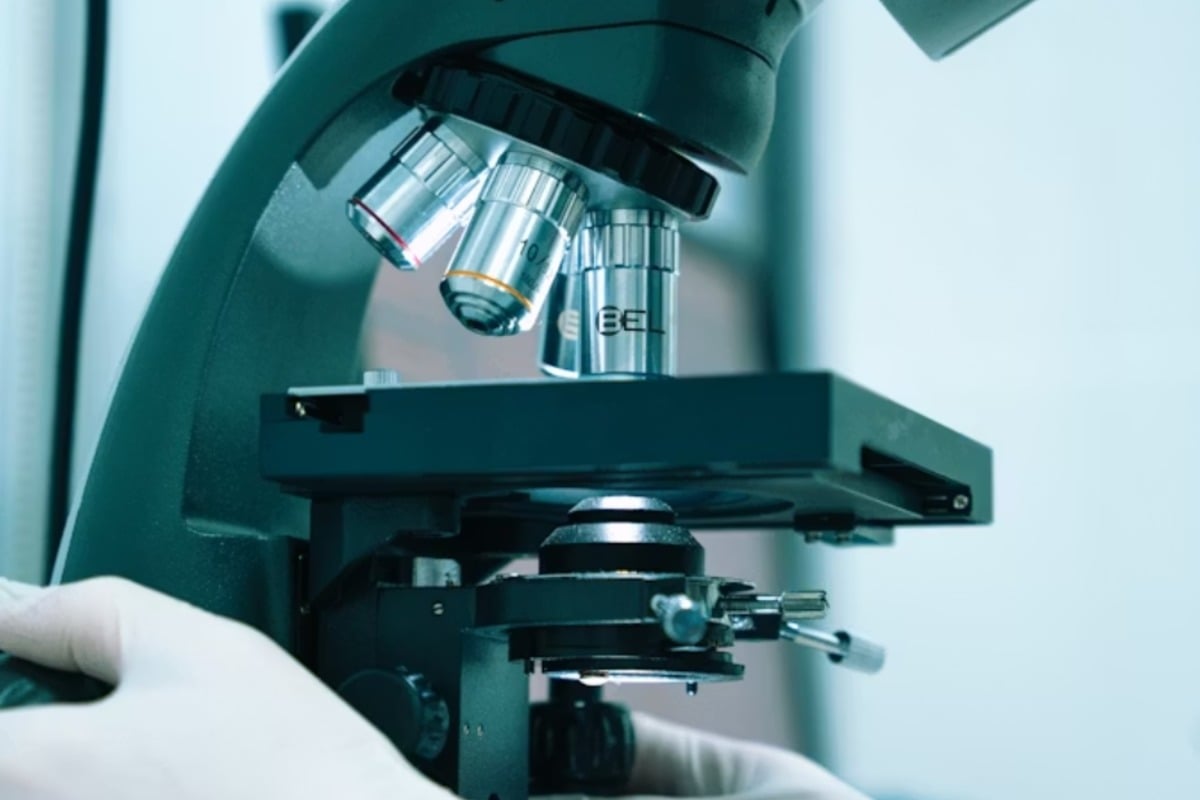
Researchers at the University of Pennsylvania, in collaboration with engineers from Harvard University, have made significant strides in diabetes treatment by developing a ‘cyborg’ pancreas. This innovative approach involves integrating lab-grown mini pancreases with ultra-thin electronics, which helps immature alpha and beta cells mature and function more effectively, mimicking natural islet behavior. The findings, published in the journal Science on February 19, 2026, could pave the way for improved cell-based transplants for individuals suffering from Type 1 diabetes.
The Technology Behind the ‘Cyborg’ Pancreas
The device consists of a flexible, stretchable mesh that researchers implant between layers of developing pancreatic cells. This mesh, thinner than a human hair, is capable of both tracking electrical activity at a single-cell level and delivering controlled electrical pulses that replicate natural physiological rhythms. According to Penn Medicine, this integration enables scientists to monitor the maturation of the pancreatic tissue over several weeks while applying targeted electrical stimulation without damaging the delicate organoids.
By simulating meal-time glucose fluctuations, the research team discovered that immature cells adopted circadian-like electrical patterns, enhancing their hormone release in response to glucose challenges. The study indicates that this method can significantly improve the glucose responsiveness of stem-cell-derived alpha and beta cells, as evidenced by increased gene expression related to energy metabolism and cell communication.
Potential Applications and Future Testing
Juan Alvarez, an assistant professor at the University of Pennsylvania, characterizes the device as “bionic,” comparing its function to a pacemaker for pancreatic tissue. The research team is exploring two main avenues: using electrical stimulation to prepare lab-grown islets prior to transplantation or retaining the sensors to monitor and stimulate grafts post-implantation. The researchers acknowledge the need for further testing, particularly regarding long-term safety, durability, and immune compatibility, before advancing to human trials.
The detailed findings are co-authored by Qiang Li and Ren Liu, with Jia Liu and Juan R. Alvarez-Dominguez serving as co-senior authors. The research received funding from several sources, including NIH grants, JDRF, and the JPB Foundation. As the team prepares for preclinical testing, their focus will shift to assessing whether this approach can be scaled for human applications and how the bioelectronic scaffold performs under immune responses and over extended periods.
This pioneering work represents a promising step forward in diabetes management, potentially transforming the outlook for patients reliant on cell transplants.

Robinhood Stock Surges 2.5% Today Amid Tech Market Recovery

Philadelphia’s Earth Month Kicks Off with Free Events in Parks

GSK’s Inhaler Decision Sparks Health Concerns for Children

Bradford’s Fish Fry Fridays Offer Community Spirit and Flavor

Speculation Rises on Shutdowns During Trump’s Potential Presidency

Samsung Galaxy Watch 9 to Feature Larger Battery, Report Reveals

Inventors Find New Purpose Through Unconventional Paths

UConn Huskies Aim for Back-to-Back Titles in 2026 NCAA Tournament

U.S. Mine Countermeasure Ships Dock in Malaysia for Logistics Stop

University of Hawaiʻi at Mānoa Joins $25.6M AI Initiative for Disaster Monitoring

$2.2 Million Boost for Cancer Research and Training in Hawaiʻi

ALMA Discovers Companion Orbiting Red Giant Star π 1 Gruis

Sacituzumab Govitecan Shows Promise for HR+/HER2− Breast Cancer

币安人生 Sees $15.92 Million in Trading Volume Amid Market Fluctuations

New Gel Offers Hope for Regrowing Tooth Enamel in Dentistry

CAVA Group Shares Surge 5.1% Amid Mixed Analyst Ratings

Christian Bale in Talks to Join Leonardo DiCaprio in Heat 2

Supreme Court to Review Birthright Citizenship for Children of Immigrants
-
Science8 months ago
University of Hawaiʻi at Mānoa Joins $25.6M AI Initiative for Disaster Monitoring
-
 Health7 months ago
$2.2 Million Boost for Cancer Research and Training in Hawaiʻi
-
 Science8 months ago
ALMA Discovers Companion Orbiting Red Giant Star π 1 Gruis
-
 Health7 months ago
Sacituzumab Govitecan Shows Promise for HR+/HER2− Breast Cancer
-
Politics4 months ago
币安人生 Sees $15.92 Million in Trading Volume Amid Market Fluctuations
-
 Health8 months ago
New Gel Offers Hope for Regrowing Tooth Enamel in Dentistry
-
 Business7 months ago
CAVA Group Shares Surge 5.1% Amid Mixed Analyst Ratings
-
 Entertainment8 months ago
Christian Bale in Talks to Join Leonardo DiCaprio in Heat 2
-
 Politics7 months ago
Supreme Court to Review Birthright Citizenship for Children of Immigrants
-

 Lifestyle8 months ago
Art Deco and Traditional Designs Set to Transform Homes in 2026
-

 Lifestyle7 months ago
Fernando Mendoza Secures Maxwell and O’Brien Awards Ahead of Heisman
-

 World7 months ago
Swiss Residents Reject 50% Inheritance Tax on Wealthy