
Science
Researchers Advance Human Embryo Models, Sparking Ethical Debate

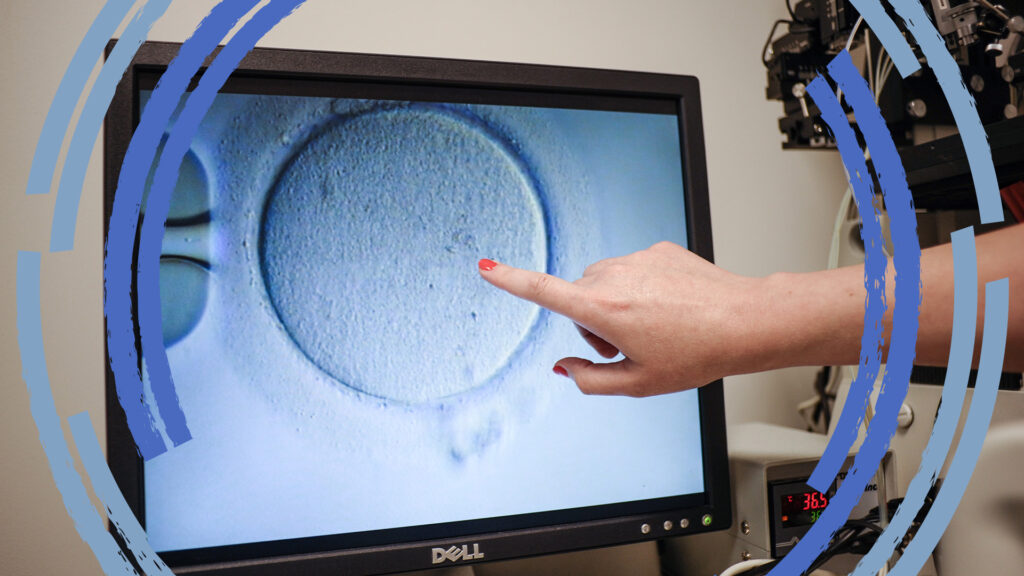
Researchers are making significant strides in creating realistic human embryo models using stem cells, raising both excitement and ethical concerns within the scientific community. These advanced models closely resemble actual human embryos, marking a pivotal moment in understanding early human development and related diseases. The potential applications of these models extend to providing alternative sources of tissue for clinical use, which could transform organ transplantation practices.
One of the primary objectives of developing embryo models is to deepen insights into the complexities of human development. By mimicking the earliest stages of embryonic growth, scientists aim to unravel mechanisms behind various congenital diseases. This research may lead to breakthroughs in treating conditions that currently lack effective interventions.
As the field evolves, biologists are grappling with critical ethical dilemmas surrounding the use of these models. A notable point of contention is the duration for which human embryo-like structures should be cultivated in laboratory settings. Recently, a coalition of experts advocated for a strict limit of eight weeks for such research, with many calling for a more conservative four-week cap. This proposal has sparked significant debate, with some researchers likely to oppose these restrictions, arguing that longer growth periods could yield invaluable data.
Ethical Considerations and Future Directions
The discussions surrounding embryo modeling raise essential questions about the moral implications of creating life-like structures in laboratories. The potential to generate tissues for transplantation could profoundly impact medical practices, yet the ethical framework for such advancements remains unclear. The scientific community is divided, with advocates emphasizing the necessity for rigorous research guidelines to ensure responsible exploration of this innovative field.
The ongoing dialogue reflects a broader tension between scientific progress and ethical responsibility. As researchers continue to refine their models, how the scientific community addresses these dilemmas will shape the course of this pioneering area of research. The implications of these developments could extend far beyond the laboratory, affecting policy, regulation, and societal norms regarding human development and medical ethics.
The future of embryo modeling holds immense promise, but it is fraught with challenges that will require careful consideration and consensus among scientists, ethicists, and policymakers. As this field progresses, it remains crucial to balance the pursuit of knowledge with the responsibilities that come with such powerful scientific capabilities.
In summary, while the advancements in human embryo models herald exciting possibilities for research and medicine, they also bring forth pressing ethical questions that must be addressed to guide the responsible development of this transformative field.

Robinhood Stock Surges 2.5% Today Amid Tech Market Recovery

Philadelphia’s Earth Month Kicks Off with Free Events in Parks

GSK’s Inhaler Decision Sparks Health Concerns for Children

Bradford’s Fish Fry Fridays Offer Community Spirit and Flavor

Speculation Rises on Shutdowns During Trump’s Potential Presidency

Samsung Galaxy Watch 9 to Feature Larger Battery, Report Reveals

Inventors Find New Purpose Through Unconventional Paths

UConn Huskies Aim for Back-to-Back Titles in 2026 NCAA Tournament

U.S. Mine Countermeasure Ships Dock in Malaysia for Logistics Stop

University of Hawaiʻi at Mānoa Joins $25.6M AI Initiative for Disaster Monitoring

$2.2 Million Boost for Cancer Research and Training in Hawaiʻi

ALMA Discovers Companion Orbiting Red Giant Star π 1 Gruis

Sacituzumab Govitecan Shows Promise for HR+/HER2− Breast Cancer

币安人生 Sees $15.92 Million in Trading Volume Amid Market Fluctuations

New Gel Offers Hope for Regrowing Tooth Enamel in Dentistry

CAVA Group Shares Surge 5.1% Amid Mixed Analyst Ratings

Christian Bale in Talks to Join Leonardo DiCaprio in Heat 2

Supreme Court to Review Birthright Citizenship for Children of Immigrants
-
Science8 months ago
University of Hawaiʻi at Mānoa Joins $25.6M AI Initiative for Disaster Monitoring
-
 Health7 months ago
$2.2 Million Boost for Cancer Research and Training in Hawaiʻi
-
 Science8 months ago
ALMA Discovers Companion Orbiting Red Giant Star π 1 Gruis
-
 Health7 months ago
Sacituzumab Govitecan Shows Promise for HR+/HER2− Breast Cancer
-
Politics4 months ago
币安人生 Sees $15.92 Million in Trading Volume Amid Market Fluctuations
-
 Health8 months ago
New Gel Offers Hope for Regrowing Tooth Enamel in Dentistry
-
 Business7 months ago
CAVA Group Shares Surge 5.1% Amid Mixed Analyst Ratings
-
 Entertainment8 months ago
Christian Bale in Talks to Join Leonardo DiCaprio in Heat 2
-
 Politics7 months ago
Supreme Court to Review Birthright Citizenship for Children of Immigrants
-

 Lifestyle7 months ago
Fernando Mendoza Secures Maxwell and O’Brien Awards Ahead of Heisman
-

 Lifestyle8 months ago
Art Deco and Traditional Designs Set to Transform Homes in 2026
-

 World7 months ago
Swiss Residents Reject 50% Inheritance Tax on Wealthy