
Politics
U.S. Military Strikes 1,700 Iranian Targets in Rapid Campaign

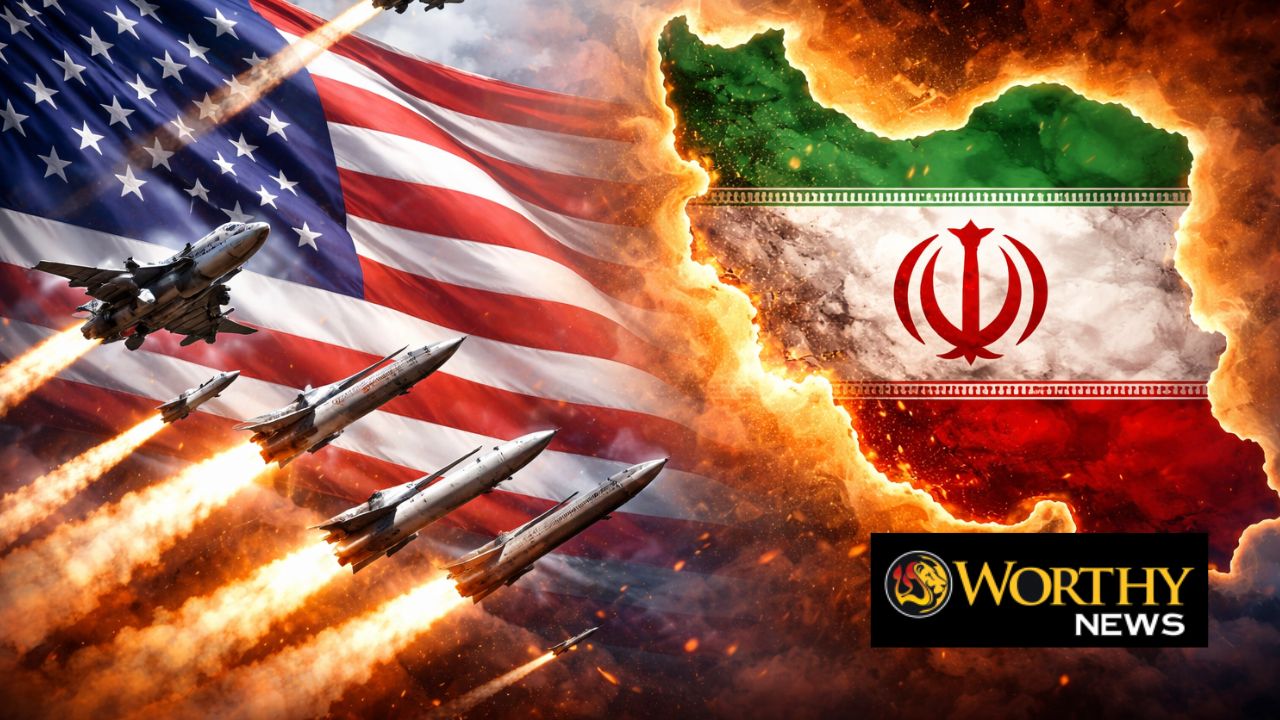
The U.S. military has significantly escalated its operations against Iran, striking approximately 1,700 targets within the first 72 hours of the ongoing conflict, according to a recent update from U.S. Central Command (CENTCOM). This rapid increase in military activity highlights a marked shift in the pace of operations, raising concerns about the broader implications for regional stability.
Surge in Military Operations
In the first 24 hours of this intensified campaign, American forces targeted around 900 sites across Iran. The second day saw a slower escalation, with the total reaching 1,200 targets. By the end of the third day, another 500 targets were struck, indicating that the tempo of strikes has nearly doubled compared to earlier reports. This surge has led to speculation regarding whether this represents the “largest” phase of attacks previously referenced by President Donald Trump or if it is merely a precursor to even broader military operations anticipated later this week.
CENTCOM’s updates have provided general information on the types of targets struck, focusing on key military assets including command centers of the Islamic Revolutionary Guard Corps, naval resources, ballistic missile sites, and air defense systems. Unlike the detailed operational summaries typically released by Israel, CENTCOM has not disclosed specific locations or tactical details regarding the strikes.
Implications for Regional Security
The rapid escalation underscores the intensifying nature of the conflict, as U.S. and allied forces aim to degrade Iran’s military capabilities. Analysts suggest that the increasing frequency and volume of strikes could alter the dynamics of power within the region, potentially leading to heightened tensions and reactions from Iranian leadership.
As the situation develops, the international community watches closely, analyzing both the immediate impacts of these military actions and their potential long-term consequences for peace and security in the Middle East. The current state of affairs highlights the ongoing volatility and complexity of military engagements in the region, with ramifications that could extend beyond Iran’s borders.
In summary, the U.S. military’s recent operations reflect a significant escalation in conflict, with substantial implications for both regional stability and the broader geopolitical landscape. As events unfold, the focus remains on the actions and responses of all parties involved.

Robinhood Stock Surges 2.5% Today Amid Tech Market Recovery

Philadelphia’s Earth Month Kicks Off with Free Events in Parks

GSK’s Inhaler Decision Sparks Health Concerns for Children

Bradford’s Fish Fry Fridays Offer Community Spirit and Flavor

Speculation Rises on Shutdowns During Trump’s Potential Presidency

Samsung Galaxy Watch 9 to Feature Larger Battery, Report Reveals

Inventors Find New Purpose Through Unconventional Paths

UConn Huskies Aim for Back-to-Back Titles in 2026 NCAA Tournament

U.S. Mine Countermeasure Ships Dock in Malaysia for Logistics Stop

University of Hawaiʻi at Mānoa Joins $25.6M AI Initiative for Disaster Monitoring

$2.2 Million Boost for Cancer Research and Training in Hawaiʻi

ALMA Discovers Companion Orbiting Red Giant Star π 1 Gruis

Sacituzumab Govitecan Shows Promise for HR+/HER2− Breast Cancer

币安人生 Sees $15.92 Million in Trading Volume Amid Market Fluctuations

New Gel Offers Hope for Regrowing Tooth Enamel in Dentistry

CAVA Group Shares Surge 5.1% Amid Mixed Analyst Ratings

Christian Bale in Talks to Join Leonardo DiCaprio in Heat 2

Supreme Court to Review Birthright Citizenship for Children of Immigrants
-
Science8 months ago
University of Hawaiʻi at Mānoa Joins $25.6M AI Initiative for Disaster Monitoring
-
 Health7 months ago
$2.2 Million Boost for Cancer Research and Training in Hawaiʻi
-
 Science8 months ago
ALMA Discovers Companion Orbiting Red Giant Star π 1 Gruis
-
 Health7 months ago
Sacituzumab Govitecan Shows Promise for HR+/HER2− Breast Cancer
-
Politics4 months ago
币安人生 Sees $15.92 Million in Trading Volume Amid Market Fluctuations
-
 Health8 months ago
New Gel Offers Hope for Regrowing Tooth Enamel in Dentistry
-
 Business7 months ago
CAVA Group Shares Surge 5.1% Amid Mixed Analyst Ratings
-
 Entertainment8 months ago
Christian Bale in Talks to Join Leonardo DiCaprio in Heat 2
-
 Politics7 months ago
Supreme Court to Review Birthright Citizenship for Children of Immigrants
-

 Lifestyle7 months ago
Fernando Mendoza Secures Maxwell and O’Brien Awards Ahead of Heisman
-

 Lifestyle8 months ago
Art Deco and Traditional Designs Set to Transform Homes in 2026
-

 World7 months ago
Swiss Residents Reject 50% Inheritance Tax on Wealthy