
Health
Stanford Experts Address Measles Risks Amid Rising National Cases

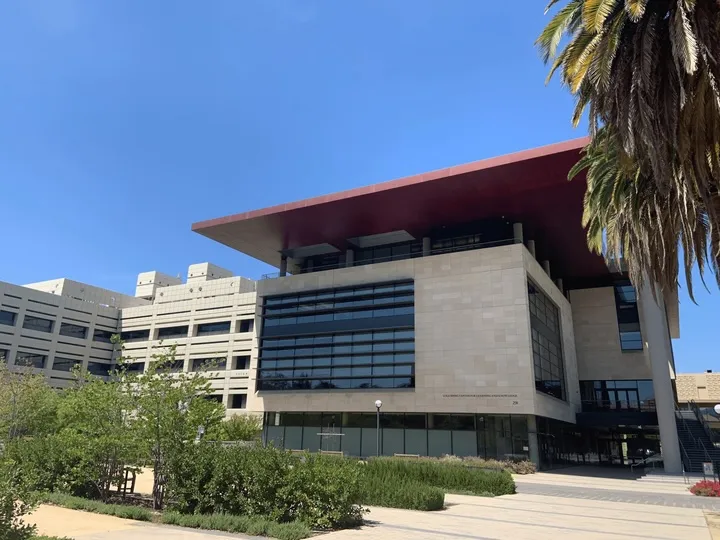
As the United States grapples with the highest number of measles cases in decades, Stanford University health experts have expressed cautious optimism regarding the potential for a widespread outbreak on campus. As of February 26, 2025, the nation has reported 1,136 confirmed cases of measles, with clusters emerging in California, but Stanford officials assert that the university is currently not at significant risk.
California’s Measles Landscape
In January, California reported 14 measles cases across six counties, including Napa and San Mateo, all linked to a single traveler. The situation escalated in February with an additional 12 cases in Shasta and Santa Clara counties. Despite these incidents, officials including Hayley Gans, a clinical professor of pediatrics and infectious diseases at Stanford, clarified that there is no evidence of sustained community spread within the Bay Area.
“So far, these cases have not represented sustained community spread of a single domestic strain,” Gans stated. She added that if a single strain circulates within the country for more than a year, it could jeopardize the U.S.’s elimination status for measles, a scenario described by Gans as having a “high risk” of occurring.
Understanding Measles Transmission and Immunization
According to Yvonne Maldonado, a professor of global health and infectious diseases at Stanford, measles is considered “probably the most infectious disease that we know of in humans.” The virus spreads through tiny airborne droplets that can remain in the air for up to two hours after an infected person has left a room. This high level of transmissibility—about five times that of COVID-19—means that a community needs approximately 95% immunity to prevent outbreaks.
“One dose of the measles vaccine provides about 95% protection, while a second dose increases that to approximately 97%,” Maldonado explained. She noted that the majority of recent U.S. cases involve individuals who were unvaccinated. “Over 95% of the cases that we’ve seen so far in the U.S. are people who just didn’t get vaccinated,” she added.
At Stanford, students are required to provide vaccination documentation, ensuring a robust defense against measles. Robyn S. Tepper, Medical Director at Vaden Health Center, emphasized the importance of vaccinations, stating that any breakthrough cases among vaccinated individuals are typically mild. She encourages students to ensure their family members are also vaccinated and to stay current with routine immunizations.
Tepper also advised students traveling internationally to consult a travel clinic, as additional vaccines may be necessary. “Stanford is not going to be isolated because of the global nature… with people leaving and coming onto campus or visitors arriving,” Gans noted, highlighting the university’s status as a popular destination.
In light of the current situation, both Gans and Tepper reinforced the importance of preventive measures, stating, “The vaccine is really our only way of protecting people.” They plan to continue monitoring public health alerts to safeguard the Stanford community.
As the situation evolves, the emphasis on vaccination and community immunity remains critical in preventing a resurgence of measles in the U.S. and ensuring the health and safety of the Stanford campus.

Robinhood Stock Surges 2.5% Today Amid Tech Market Recovery

Philadelphia’s Earth Month Kicks Off with Free Events in Parks

GSK’s Inhaler Decision Sparks Health Concerns for Children

Bradford’s Fish Fry Fridays Offer Community Spirit and Flavor

Speculation Rises on Shutdowns During Trump’s Potential Presidency

Samsung Galaxy Watch 9 to Feature Larger Battery, Report Reveals

Inventors Find New Purpose Through Unconventional Paths

UConn Huskies Aim for Back-to-Back Titles in 2026 NCAA Tournament

U.S. Mine Countermeasure Ships Dock in Malaysia for Logistics Stop

University of Hawaiʻi at Mānoa Joins $25.6M AI Initiative for Disaster Monitoring

$2.2 Million Boost for Cancer Research and Training in Hawaiʻi

ALMA Discovers Companion Orbiting Red Giant Star π 1 Gruis

Sacituzumab Govitecan Shows Promise for HR+/HER2− Breast Cancer

币安人生 Sees $15.92 Million in Trading Volume Amid Market Fluctuations

New Gel Offers Hope for Regrowing Tooth Enamel in Dentistry

CAVA Group Shares Surge 5.1% Amid Mixed Analyst Ratings

Christian Bale in Talks to Join Leonardo DiCaprio in Heat 2

Supreme Court to Review Birthright Citizenship for Children of Immigrants
-
Science8 months ago
University of Hawaiʻi at Mānoa Joins $25.6M AI Initiative for Disaster Monitoring
-
 Health7 months ago
$2.2 Million Boost for Cancer Research and Training in Hawaiʻi
-
 Science8 months ago
ALMA Discovers Companion Orbiting Red Giant Star π 1 Gruis
-
 Health7 months ago
Sacituzumab Govitecan Shows Promise for HR+/HER2− Breast Cancer
-
Politics4 months ago
币安人生 Sees $15.92 Million in Trading Volume Amid Market Fluctuations
-
 Health8 months ago
New Gel Offers Hope for Regrowing Tooth Enamel in Dentistry
-
 Business7 months ago
CAVA Group Shares Surge 5.1% Amid Mixed Analyst Ratings
-
 Entertainment8 months ago
Christian Bale in Talks to Join Leonardo DiCaprio in Heat 2
-
 Politics7 months ago
Supreme Court to Review Birthright Citizenship for Children of Immigrants
-

 Lifestyle7 months ago
Fernando Mendoza Secures Maxwell and O’Brien Awards Ahead of Heisman
-

 Lifestyle8 months ago
Art Deco and Traditional Designs Set to Transform Homes in 2026
-

 World7 months ago
Swiss Residents Reject 50% Inheritance Tax on Wealthy