
Top Stories
GLP-1 Drugs Show Promise in Preventing Addictions in Veterans

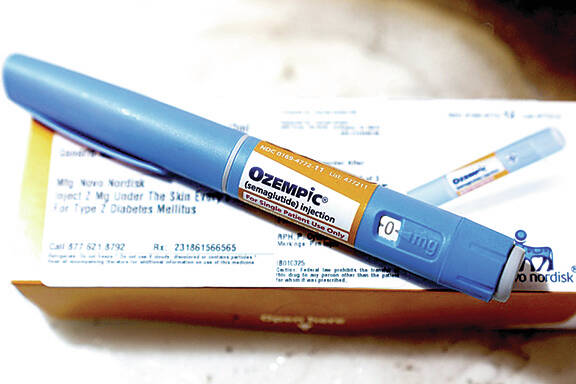
A new study has revealed that GLP-1 drugs, commonly used to treat diabetes, can significantly reduce the risk of developing new substance use disorders and alleviate existing addictions among U.S. military veterans. The research, led by Dr. Ziyad Al-Aly of the VA Saint Louis Health Care System, indicates that these medications, including Ozempic and Mounjaro, may offer protective effects against a range of addictive substances such as alcohol, opioids, cocaine, nicotine, and cannabis.
The findings, published in The BMJ, were drawn from an analysis of data from the U.S. Veterans Affairs database. The study involved 124,001 veterans with type 2 diabetes who were treated with GLP-1 drugs, compared to 400,816 similar patients prescribed SGLT-2 inhibitors. Over a three-year period, veterans taking GLP-1 medications exhibited a 14% lower likelihood of developing new substance use disorders.
Significant Reductions in Addiction Risks
The study highlighted specific reductions in various substance-related disorders among those on GLP-1 therapy. The odds of developing new alcohol use disorders decreased by 18%, while cannabis use disorders fell by 14%. Cocaine and nicotine use were reduced by 20% and 26%, respectively, and opioid use disorders dropped by 25%. For veterans already struggling with substance use disorders, those on GLP-1 drugs experienced a 31% reduction in emergency department visits related to these issues.
The study also found that GLP-1 medications led to a 26% reduction in related hospital admissions, a 50% decrease in substance-related deaths, and a 39% reduction in drug overdoses. Additionally, the likelihood of suicidal ideation or attempts decreased by 25% among participants using GLP-1 drugs.
Understanding the Mechanism Behind the Findings
Dr. Al-Aly emphasized the study’s unexpected breadth, noting that no single drug has previously shown effectiveness across such a wide variety of addictive substances. He suggested the presence of a common biological pathway that GLP-1 drugs target, potentially offering a new approach to addiction treatment.
The GLP-1 receptors, which interact with these medications, are located in the mesolimbic system of the brain, a region associated with motivation and reward. Dr. Al-Aly explained that GLP-1 drugs may modulate cravings by “silencing the noise” in the brain that often drives individuals toward substance overuse.
While the results are promising, the researchers caution that it remains uncertain whether these benefits will persist over extended periods of medication use. Dr. Al-Aly expressed a desire to further investigate the long-term effects of GLP-1 therapy on addiction.
The VA is planning a comprehensive clinical trial to evaluate the efficacy of semaglutide, a key component of Ozempic and Wegovy, in veterans diagnosed with alcohol use disorder.
In an accompanying editorial, Fares Qeadan of Loyola University highlighted the importance of considering the potential benefits of GLP-1 receptor agonists for individuals with type 2 diabetes who are also at risk for substance use disorders. He urged clinicians to factor these findings into shared decision-making processes regarding treatment options.
As research into GLP-1 medications continues, the implications for addiction treatment could be significant, opening new pathways for addressing substance use disorders among vulnerable populations.

Robinhood Stock Surges 2.5% Today Amid Tech Market Recovery

Philadelphia’s Earth Month Kicks Off with Free Events in Parks

GSK’s Inhaler Decision Sparks Health Concerns for Children

Bradford’s Fish Fry Fridays Offer Community Spirit and Flavor

Speculation Rises on Shutdowns During Trump’s Potential Presidency

Samsung Galaxy Watch 9 to Feature Larger Battery, Report Reveals

Inventors Find New Purpose Through Unconventional Paths

UConn Huskies Aim for Back-to-Back Titles in 2026 NCAA Tournament

U.S. Mine Countermeasure Ships Dock in Malaysia for Logistics Stop

University of Hawaiʻi at Mānoa Joins $25.6M AI Initiative for Disaster Monitoring

$2.2 Million Boost for Cancer Research and Training in Hawaiʻi

ALMA Discovers Companion Orbiting Red Giant Star π 1 Gruis

Sacituzumab Govitecan Shows Promise for HR+/HER2− Breast Cancer

币安人生 Sees $15.92 Million in Trading Volume Amid Market Fluctuations

New Gel Offers Hope for Regrowing Tooth Enamel in Dentistry

CAVA Group Shares Surge 5.1% Amid Mixed Analyst Ratings

Christian Bale in Talks to Join Leonardo DiCaprio in Heat 2

Supreme Court to Review Birthright Citizenship for Children of Immigrants
-
Science8 months ago
University of Hawaiʻi at Mānoa Joins $25.6M AI Initiative for Disaster Monitoring
-
 Health7 months ago
$2.2 Million Boost for Cancer Research and Training in Hawaiʻi
-
 Science8 months ago
ALMA Discovers Companion Orbiting Red Giant Star π 1 Gruis
-
 Health7 months ago
Sacituzumab Govitecan Shows Promise for HR+/HER2− Breast Cancer
-
Politics4 months ago
币安人生 Sees $15.92 Million in Trading Volume Amid Market Fluctuations
-
 Health8 months ago
New Gel Offers Hope for Regrowing Tooth Enamel in Dentistry
-
 Business7 months ago
CAVA Group Shares Surge 5.1% Amid Mixed Analyst Ratings
-
 Entertainment8 months ago
Christian Bale in Talks to Join Leonardo DiCaprio in Heat 2
-
 Politics7 months ago
Supreme Court to Review Birthright Citizenship for Children of Immigrants
-

 Lifestyle7 months ago
Fernando Mendoza Secures Maxwell and O’Brien Awards Ahead of Heisman
-

 Lifestyle8 months ago
Art Deco and Traditional Designs Set to Transform Homes in 2026
-

 World7 months ago
Swiss Residents Reject 50% Inheritance Tax on Wealthy