
Top Stories
Trump Moves to Restart Santa Barbara Offshore Oil Production NOW

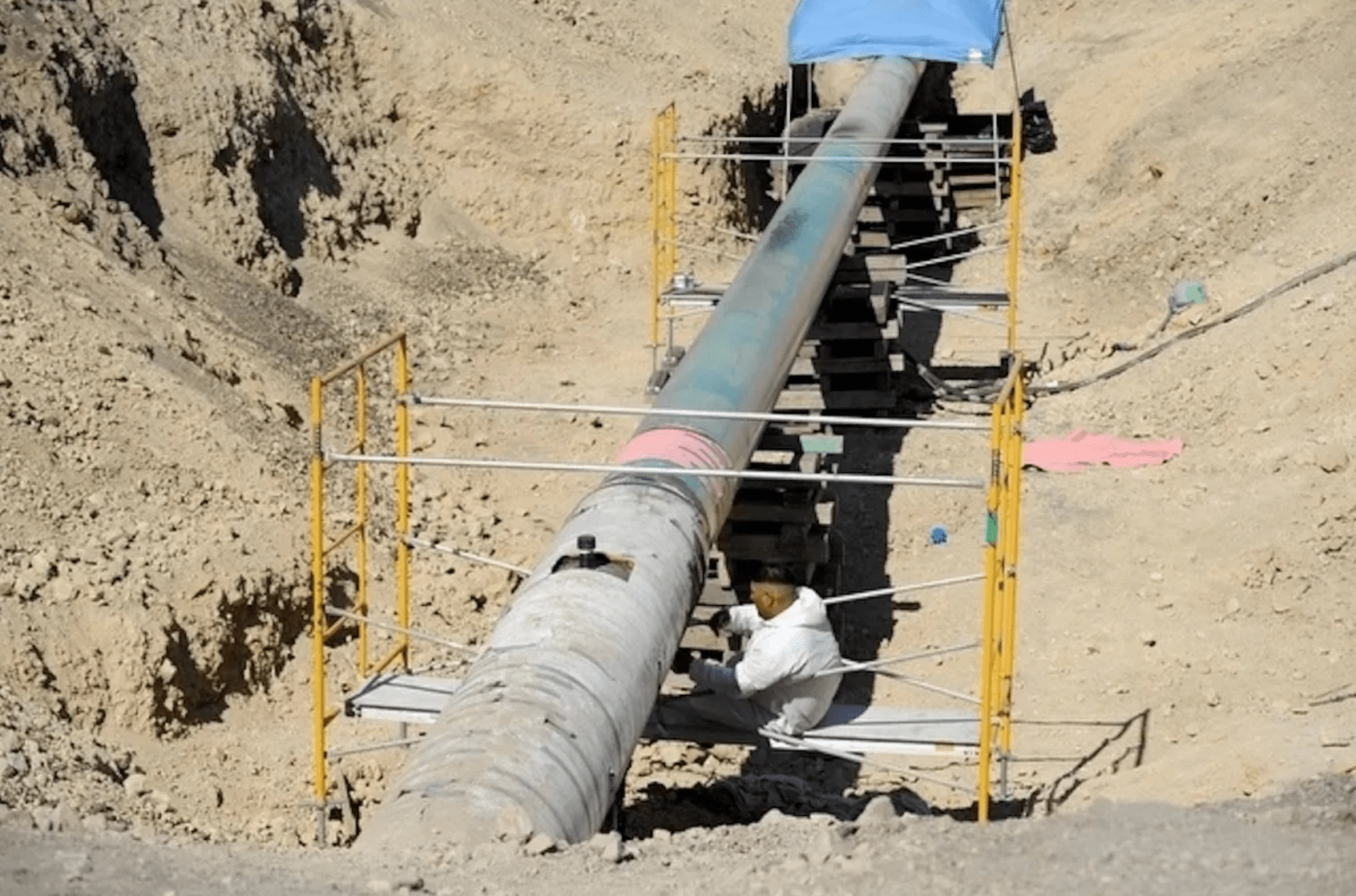
UPDATE: The Department of Justice has just issued a critical legal opinion empowering President Donald Trump to bypass state regulations and approve Sable Offshore’s plans to restart offshore oil production at the Santa Ynez Unit in Santa Barbara County. This groundbreaking decision could have immediate implications for California’s environmental policies.
In a sweeping 22-page opinion released today, Assistant Attorney General T. Elliot Gaiser asserts that the Defense Production Act allows Trump or his Secretary of Energy to override state authority, including a federal decree from 2020 that designated the Office of the State Fire Marshal as the ultimate authority for restarting Sable’s pipeline. The legal opinion comes in response to Sable’s claims that California agencies have stalled their production efforts, affecting the largest known offshore oil field in the United States.
Sable Offshore has faced significant hurdles since a major pipeline leak in 2015 released 142,000 gallons of oil along the Gaviota Coast. The company alleges that the Fire Marshal has unreasonably withheld necessary approvals and changed the rules for pipeline repairs. Gaiser’s opinion suggests that federal authority supersedes state power, potentially allowing Sable to bypass state regulations entirely.
While the legal framework has been established, no action has yet been taken to invoke the Defense Production Act on behalf of Sable. However, the stock market reacted swiftly, with Sable’s stock value surging following the announcement. Earlier this week, Judge Donna Geck upheld an injunction preventing Sable from resuming production until it secures all required permits from state agencies.
In a contentious legal landscape, Sable argues that the federal Pipeline and Hazardous Materials Safety Administration has already preempted the Fire Marshal’s authority. Both the state Attorney General and the Fire Marshal contest this federal preemption, claiming that the Fire Marshal retains final say over pipeline safety.
The stakes in this dispute are significant. Environmental advocates, including Linda Krop from the Environmental Defense Center, warn that this federal move could sidestep essential environmental and health protections, effectively allowing the federal government to dictate terms on state-owned land. “The stakes are huge,” Krop emphasized. “This would allow the feds to ignore any and all the environmental protections imposed by the state.”
As California braces for a potential legal showdown, State Attorney General Rob Bonta is expected to play a vital role. Bonta has yet to issue a statement but is reportedly investigating the situation. State Assemblymember Gregg Hart anticipates that this latest federal move will provoke another state lawsuit aimed at protecting California’s coastal environment.
Senator Monique Limón voiced strong opposition, stating, “This latest opinion is yet another attempt for this administration to drill along our coastline despite bipartisan opposition.” She warned of the serious implications of federal overreach, emphasizing that Californians have lived the consequences of offshore drilling disasters.
As this situation unfolds, all eyes are on how state and federal authorities will respond. The legal battle is set to escalate, with a federal panel scheduled to hear the matter later this summer. The ongoing tension between state sovereignty and federal power could reshape the future of offshore oil production in California.
Stay tuned for updates on this developing story as the implications of the DOJ’s opinion continue to unfold in the coming days.

Robinhood Stock Surges 2.5% Today Amid Tech Market Recovery

Philadelphia’s Earth Month Kicks Off with Free Events in Parks

GSK’s Inhaler Decision Sparks Health Concerns for Children

Bradford’s Fish Fry Fridays Offer Community Spirit and Flavor

Speculation Rises on Shutdowns During Trump’s Potential Presidency

Samsung Galaxy Watch 9 to Feature Larger Battery, Report Reveals

Inventors Find New Purpose Through Unconventional Paths

UConn Huskies Aim for Back-to-Back Titles in 2026 NCAA Tournament

U.S. Mine Countermeasure Ships Dock in Malaysia for Logistics Stop

University of Hawaiʻi at Mānoa Joins $25.6M AI Initiative for Disaster Monitoring

$2.2 Million Boost for Cancer Research and Training in Hawaiʻi

ALMA Discovers Companion Orbiting Red Giant Star π 1 Gruis

Sacituzumab Govitecan Shows Promise for HR+/HER2− Breast Cancer

币安人生 Sees $15.92 Million in Trading Volume Amid Market Fluctuations

New Gel Offers Hope for Regrowing Tooth Enamel in Dentistry

CAVA Group Shares Surge 5.1% Amid Mixed Analyst Ratings

Christian Bale in Talks to Join Leonardo DiCaprio in Heat 2

Supreme Court to Review Birthright Citizenship for Children of Immigrants
-
Science8 months ago
University of Hawaiʻi at Mānoa Joins $25.6M AI Initiative for Disaster Monitoring
-
 Health7 months ago
$2.2 Million Boost for Cancer Research and Training in Hawaiʻi
-
 Science8 months ago
ALMA Discovers Companion Orbiting Red Giant Star π 1 Gruis
-
 Health7 months ago
Sacituzumab Govitecan Shows Promise for HR+/HER2− Breast Cancer
-
Politics4 months ago
币安人生 Sees $15.92 Million in Trading Volume Amid Market Fluctuations
-
 Health8 months ago
New Gel Offers Hope for Regrowing Tooth Enamel in Dentistry
-
 Business7 months ago
CAVA Group Shares Surge 5.1% Amid Mixed Analyst Ratings
-
 Entertainment8 months ago
Christian Bale in Talks to Join Leonardo DiCaprio in Heat 2
-
 Politics7 months ago
Supreme Court to Review Birthright Citizenship for Children of Immigrants
-

 Lifestyle7 months ago
Fernando Mendoza Secures Maxwell and O’Brien Awards Ahead of Heisman
-

 Lifestyle8 months ago
Art Deco and Traditional Designs Set to Transform Homes in 2026
-

 World7 months ago
Swiss Residents Reject 50% Inheritance Tax on Wealthy