
World
Assessing America’s Strategic Goals in Iran: Costs and Outcomes

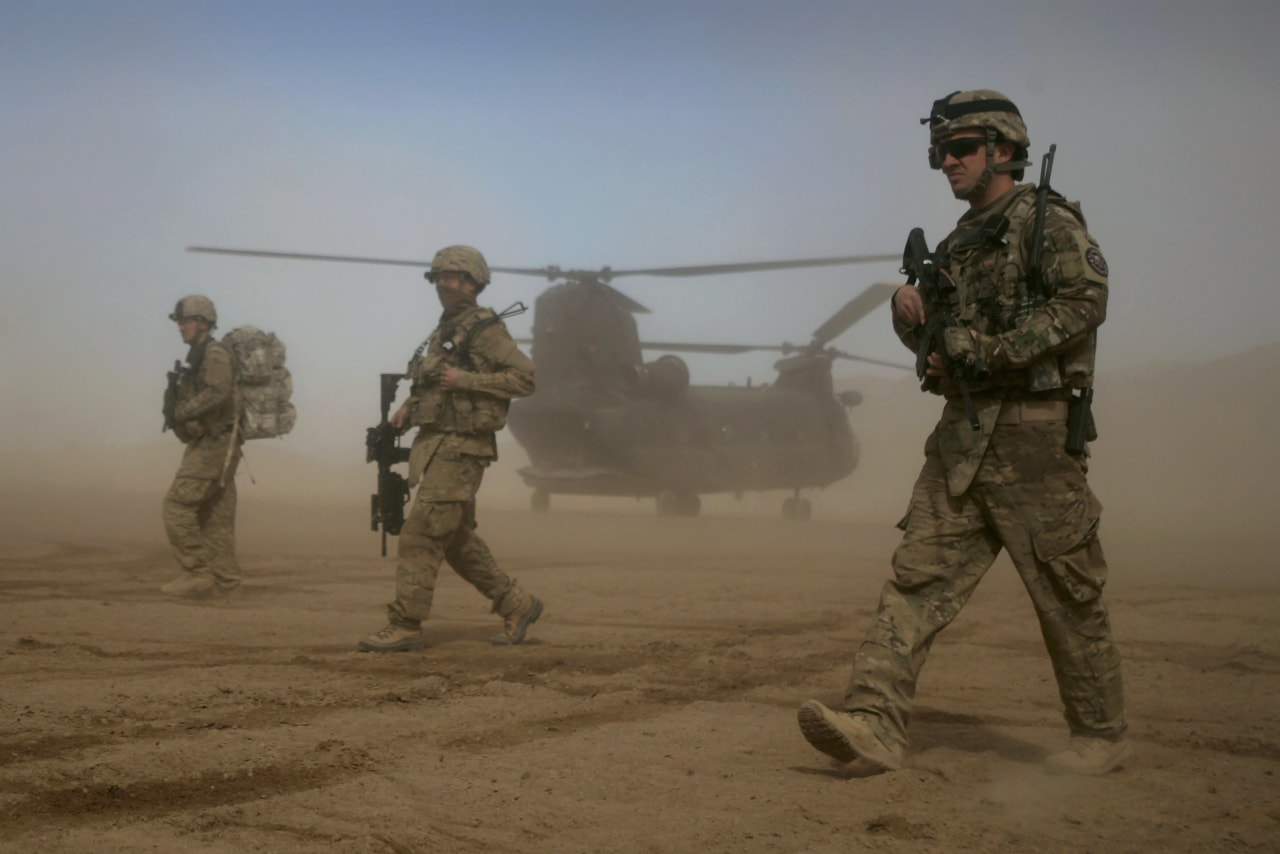
The United States is currently facing critical decisions regarding its approach to Iran. As tensions escalate, the Biden administration is tasked with defining clear objectives, evaluating what success looks like, and estimating the potential costs of military engagement. The stakes are high, with implications for U.S. foreign policy, regional stability in the Middle East, and global security.
Defining Objectives and Success
The primary objective of U.S. policy towards Iran has historically centered on curbing its nuclear ambitions and supporting regional allies. According to statements from President Joe Biden, the administration aims to ensure that Iran does not develop nuclear weapons while promoting stability in the region.
Success in this context could be measured by Iran’s compliance with international agreements, such as the Joint Comprehensive Plan of Action (JCPOA), or through strengthened alliances with nations in the Gulf Cooperation Council (GCC). However, defining what constitutes success is complex. It involves not only military considerations but also diplomatic, economic, and humanitarian factors.
The Pentagon has indicated that military readiness is a crucial aspect of U.S. strategy. This includes maintaining a robust presence in the region to deter aggression from Iran and its proxies. Yet, military action carries significant risks and costs, including potential escalation into broader conflict.
Evaluating Costs and Consequences
The costs of military engagement can be substantial. A report released in March 2024 by the U.S. Congress outlines potential financial implications, estimating that military operations could exceed $100 billion annually, depending on the scale and duration of involvement. This figure includes not only direct military expenditures but also humanitarian and reconstruction costs in the aftermath of potential conflict.
Moreover, the human toll of military action cannot be overlooked. Casualties among both U.S. personnel and Iranian civilians could lead to international condemnation and further destabilize the region. Public opinion in the United States remains divided on military intervention, with many citizens expressing concern over entering another prolonged conflict.
As the Biden administration navigates these complex issues, it must consider the long-term repercussions of its actions. Engaging Iran militarily may achieve short-term objectives but could undermine diplomatic efforts and worsen relations with allies and adversaries alike.
The situation remains fluid, and the international community is closely monitoring developments. As the U.S. reassesses its strategy, clarity on objectives, success metrics, and cost implications will be essential in shaping its policy towards Iran.
In conclusion, as the landscape evolves, it is imperative for U.S. leadership to balance military readiness with diplomatic strategies to address the multifaceted challenges posed by Iran. The decisions made in the coming months will have lasting impacts on not only U.S.-Iran relations but also on the broader geopolitical dynamics of the Middle East.

Robinhood Stock Surges 2.5% Today Amid Tech Market Recovery

Philadelphia’s Earth Month Kicks Off with Free Events in Parks

GSK’s Inhaler Decision Sparks Health Concerns for Children

Bradford’s Fish Fry Fridays Offer Community Spirit and Flavor

Speculation Rises on Shutdowns During Trump’s Potential Presidency

Samsung Galaxy Watch 9 to Feature Larger Battery, Report Reveals

Inventors Find New Purpose Through Unconventional Paths

UConn Huskies Aim for Back-to-Back Titles in 2026 NCAA Tournament

U.S. Mine Countermeasure Ships Dock in Malaysia for Logistics Stop

University of Hawaiʻi at Mānoa Joins $25.6M AI Initiative for Disaster Monitoring

$2.2 Million Boost for Cancer Research and Training in Hawaiʻi

ALMA Discovers Companion Orbiting Red Giant Star π 1 Gruis

Sacituzumab Govitecan Shows Promise for HR+/HER2− Breast Cancer

币安人生 Sees $15.92 Million in Trading Volume Amid Market Fluctuations

New Gel Offers Hope for Regrowing Tooth Enamel in Dentistry

CAVA Group Shares Surge 5.1% Amid Mixed Analyst Ratings

Christian Bale in Talks to Join Leonardo DiCaprio in Heat 2

Supreme Court to Review Birthright Citizenship for Children of Immigrants
-
Science8 months ago
University of Hawaiʻi at Mānoa Joins $25.6M AI Initiative for Disaster Monitoring
-
 Health7 months ago
$2.2 Million Boost for Cancer Research and Training in Hawaiʻi
-
 Science8 months ago
ALMA Discovers Companion Orbiting Red Giant Star π 1 Gruis
-
 Health7 months ago
Sacituzumab Govitecan Shows Promise for HR+/HER2− Breast Cancer
-
Politics4 months ago
币安人生 Sees $15.92 Million in Trading Volume Amid Market Fluctuations
-
 Health8 months ago
New Gel Offers Hope for Regrowing Tooth Enamel in Dentistry
-
 Business7 months ago
CAVA Group Shares Surge 5.1% Amid Mixed Analyst Ratings
-
 Entertainment8 months ago
Christian Bale in Talks to Join Leonardo DiCaprio in Heat 2
-
 Politics7 months ago
Supreme Court to Review Birthright Citizenship for Children of Immigrants
-

 Lifestyle8 months ago
Art Deco and Traditional Designs Set to Transform Homes in 2026
-

 Lifestyle7 months ago
Fernando Mendoza Secures Maxwell and O’Brien Awards Ahead of Heisman
-

 World8 months ago
Swiss Residents Reject 50% Inheritance Tax on Wealthy