
Top Stories
Researchers Investigate Prenatal Causes of Autism Spectrum Disorder

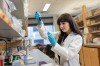
The search for the origins of autism spectrum disorder (ASD) is shifting focus toward prenatal environments. Under the leadership of Morgan Firestein, a core member of the Rutgers Brain Health Institute and resident scientist at the Child Health Institute of New Jersey, researchers are exploring how conditions in the womb may influence the development of this complex condition.
Recent studies indicate that environmental factors during pregnancy could play a significant role in the emergence of ASD. Firestein’s research aims to identify specific prenatal influences that may contribute to the risk of autism. This innovative approach marks a departure from traditional postnatal investigations, emphasizing the importance of the developmental stages before birth.
Understanding the Research Approach
The team is utilizing a combination of advanced imaging techniques and biological analyses to examine the fetal brain’s development. This research involves monitoring pregnant individuals and collecting vital data on various environmental factors, such as maternal health, nutrition, and exposure to toxins. By correlating these elements with outcomes in infants, the study seeks to establish links between prenatal conditions and the likelihood of ASD.
Firestein emphasizes that understanding these early-life factors could lead to preventative measures. If specific risk factors are identified, healthcare providers may be able to offer guidance to expectant parents on how to reduce potential risks associated with autism. The hope is that by intervening during pregnancy, it may be possible to mitigate the development of ASD.
Significance of the Findings
This research is particularly timely, given the increasing prevalence of autism diagnoses globally. According to the Centers for Disease Control and Prevention (CDC), approximately 1 in 44 children in the United States is diagnosed with ASD, a figure that has risen significantly over the past two decades. The implications of Firestein’s work could extend beyond understanding autism; they may also provide insights into other neurodevelopmental disorders.
The Rutgers Brain Health Institute collaborates with various health organizations to ensure the research adheres to the highest ethical standards. This collaboration enhances the credibility of the findings and ensures that the research could lead to actionable recommendations for parents and healthcare providers alike.
In conclusion, the exploration of autism’s origins in the womb represents a promising frontier in understanding this complex disorder. With continued support and funding, as well as collaboration across disciplines, researchers like Morgan Firestein are paving the way for potential breakthroughs that could change how we approach autism and other neurodevelopmental conditions. The ongoing studies are set to provide valuable insights in the coming months, with hopes of publishing initial results in early 2024.

Robinhood Stock Surges 2.5% Today Amid Tech Market Recovery

Philadelphia’s Earth Month Kicks Off with Free Events in Parks

GSK’s Inhaler Decision Sparks Health Concerns for Children

Bradford’s Fish Fry Fridays Offer Community Spirit and Flavor

Speculation Rises on Shutdowns During Trump’s Potential Presidency

Samsung Galaxy Watch 9 to Feature Larger Battery, Report Reveals

Inventors Find New Purpose Through Unconventional Paths

UConn Huskies Aim for Back-to-Back Titles in 2026 NCAA Tournament

U.S. Mine Countermeasure Ships Dock in Malaysia for Logistics Stop

University of Hawaiʻi at Mānoa Joins $25.6M AI Initiative for Disaster Monitoring

$2.2 Million Boost for Cancer Research and Training in Hawaiʻi

ALMA Discovers Companion Orbiting Red Giant Star π 1 Gruis

Sacituzumab Govitecan Shows Promise for HR+/HER2− Breast Cancer

币安人生 Sees $15.92 Million in Trading Volume Amid Market Fluctuations

New Gel Offers Hope for Regrowing Tooth Enamel in Dentistry

CAVA Group Shares Surge 5.1% Amid Mixed Analyst Ratings

Christian Bale in Talks to Join Leonardo DiCaprio in Heat 2

Supreme Court to Review Birthright Citizenship for Children of Immigrants
-
Science8 months ago
University of Hawaiʻi at Mānoa Joins $25.6M AI Initiative for Disaster Monitoring
-
 Health7 months ago
$2.2 Million Boost for Cancer Research and Training in Hawaiʻi
-
 Science8 months ago
ALMA Discovers Companion Orbiting Red Giant Star π 1 Gruis
-
 Health7 months ago
Sacituzumab Govitecan Shows Promise for HR+/HER2− Breast Cancer
-
Politics4 months ago
币安人生 Sees $15.92 Million in Trading Volume Amid Market Fluctuations
-
 Health8 months ago
New Gel Offers Hope for Regrowing Tooth Enamel in Dentistry
-
 Business7 months ago
CAVA Group Shares Surge 5.1% Amid Mixed Analyst Ratings
-
 Entertainment8 months ago
Christian Bale in Talks to Join Leonardo DiCaprio in Heat 2
-
 Politics7 months ago
Supreme Court to Review Birthright Citizenship for Children of Immigrants
-

 Lifestyle7 months ago
Fernando Mendoza Secures Maxwell and O’Brien Awards Ahead of Heisman
-

 Lifestyle8 months ago
Art Deco and Traditional Designs Set to Transform Homes in 2026
-

 World7 months ago
Swiss Residents Reject 50% Inheritance Tax on Wealthy