
World
Boeing Accelerates 787 Dreamliner Production Amid Rising Demand

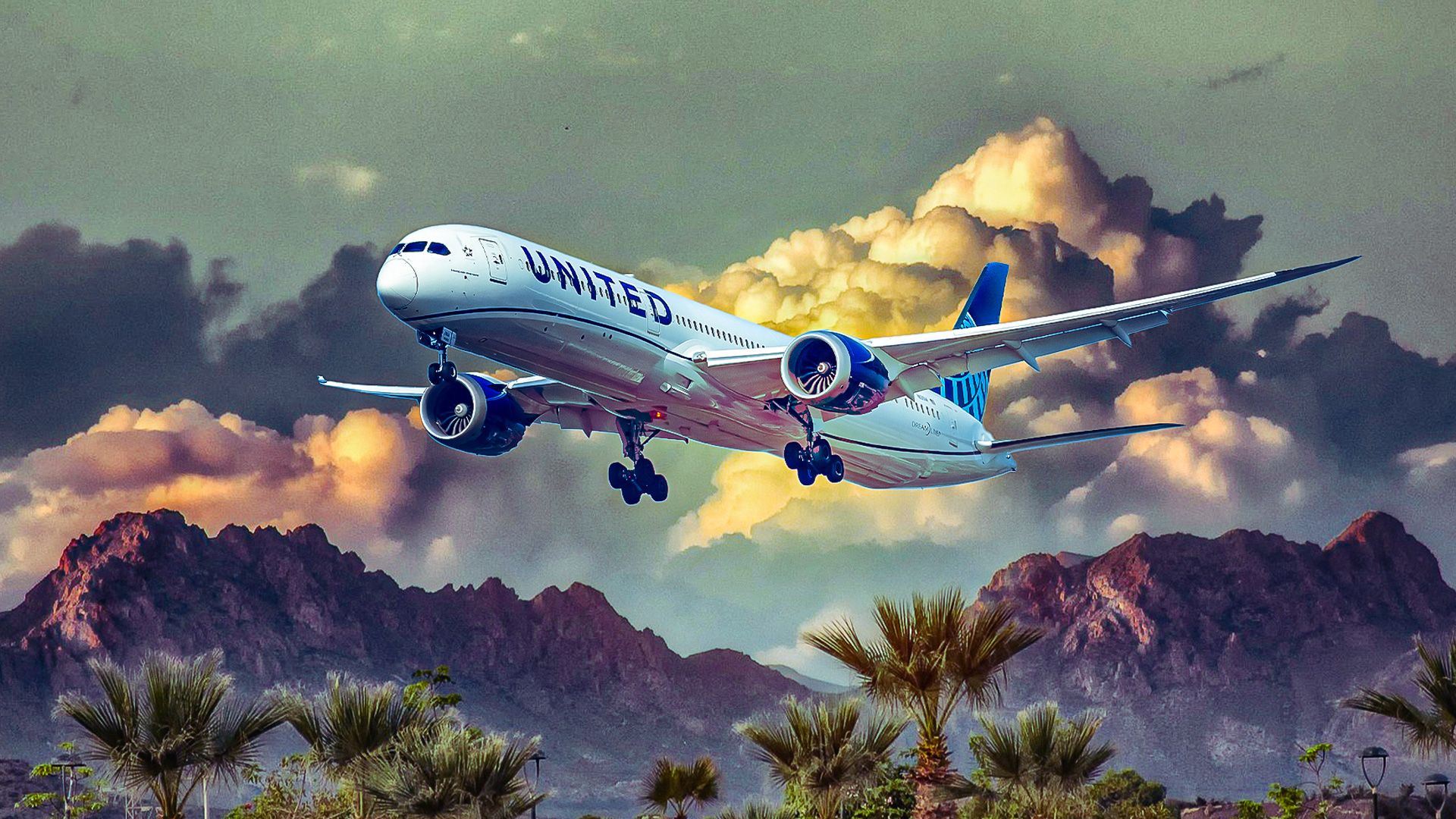
Boeing has seen a significant rebound in production of its 787 Dreamliner as demand for the aircraft continues to rise. The manufacturer currently holds a backlog of 1,103 units, with production slots fully booked for several years. This reflects a long-standing shortage of widebody aircraft, driven by post-pandemic traffic growth that necessitates an increase in supply to match rapidly expanding demand.
To address this, Boeing has invested $1 billion in expanding its site in North Charleston. This expansion aims to double its final assembly line capabilities, with plans to ramp up production from seven jets per month to ten per month by 2026. The company has set an ambitious target of reaching production rates of up to 16 jets per month by the end of the decade.
The Unique Market Position of the Boeing 787
The Boeing 787 serves a distinct purpose in the aviation market, offering airlines an ultra-fuel-efficient option for long and thin routes. It is designed to replace aging 767 models while providing the efficiency of a high-capacity widebody with a lower seat count. The aircraft made its first flight in 2009 and began service in 2011 with All Nippon Airways.
The 787 program introduced several innovations, including a largely composite structure, an advanced electric architecture, and next-generation engines. While production execution encountered challenges, including a 2013 battery grounding incident, Boeing eventually increased output to 14 jets per month by 2019. However, COVID-19 led to significant production cuts and a consolidation of assembly facilities in 2021.
Strategically, the 787 enhances long-haul economics for airlines, enabling them to operate routes that would otherwise lack capacity. The 787-8 is tailored for ultra-long, low-density services, while the 787-9 has become the best-selling variant, capable of serving a wide range of long-haul markets. The 787-10 prioritizes higher capacity over range, making it suitable for regional long-haul operations.
Production Challenges and Future Outlook
The production timeline for the Boeing 787 reflects an ambitious development plan paired with a recovery effort following the pandemic. In 2006, Boeing set a goal of producing 16 jets per month, with actual production peaking at 14 jets per month in 2018-2019. The pandemic reduced output significantly, with production dropping to roughly half of pre-pandemic levels.
By early 2025, Boeing had ramped up production to five aircraft per month, with expectations to reach seven by the end of that year. The company is targeting approximately ten per month by 2026, contingent on the successful completion of its Charleston expansion. The backlog of over 1,000 units indicates a sustained demand for the 787, with production slots sold out for years ahead.
Despite this positive outlook, several risks could impede Boeing’s production ambitions. The supply chain remains fragile, with potential bottlenecks in materials such as composites, avionics, and seating. Additionally, propulsion availability poses a challenge, as the GEnx and Trent 1000 engines may experience delivery delays.
Increased scrutiny from the Federal Aviation Administration (FAA) following recent incidents adds another layer of complexity, as any changes in production rates will depend on stable quality metrics. Certification delays for even minor components can also affect overall delivery timelines, making execution risks significant.
Boeing’s ability to ramp up production effectively hinges on external factors, including trade relations and material availability. The demand for raw materials like titanium and aluminum may also present challenges to achieving production targets.
The production ramp-up is crucial for Boeing’s long-term financial health. Accelerating deliveries from its 1,103-unit backlog can strengthen the company’s unit cost structure while enhancing cash flow. Every aircraft delivered translates to significant cash inflow, vital for improving the company’s overall financial picture.
The 787 program has proven to be Boeing’s most consistent source of orders over the past two decades. Recent orders highlight this trend, with United Airlines placing a substantial order for 100 Boeing 787 jets in December 2022, followed by additional orders from Air India and British Airways.
In summary, Boeing’s success in ramping up 787 Dreamliner production is pivotal to the company’s commercial strategy. While ambitious targets are set for the coming years, the journey will require navigating numerous challenges and ensuring that regulatory hurdles do not hinder the realization of its production goals.

Robinhood Stock Surges 2.5% Today Amid Tech Market Recovery

Philadelphia’s Earth Month Kicks Off with Free Events in Parks

GSK’s Inhaler Decision Sparks Health Concerns for Children

Bradford’s Fish Fry Fridays Offer Community Spirit and Flavor

Speculation Rises on Shutdowns During Trump’s Potential Presidency

Samsung Galaxy Watch 9 to Feature Larger Battery, Report Reveals

Inventors Find New Purpose Through Unconventional Paths

UConn Huskies Aim for Back-to-Back Titles in 2026 NCAA Tournament

U.S. Mine Countermeasure Ships Dock in Malaysia for Logistics Stop

University of Hawaiʻi at Mānoa Joins $25.6M AI Initiative for Disaster Monitoring

$2.2 Million Boost for Cancer Research and Training in Hawaiʻi

ALMA Discovers Companion Orbiting Red Giant Star π 1 Gruis

Sacituzumab Govitecan Shows Promise for HR+/HER2− Breast Cancer

币安人生 Sees $15.92 Million in Trading Volume Amid Market Fluctuations

New Gel Offers Hope for Regrowing Tooth Enamel in Dentistry

CAVA Group Shares Surge 5.1% Amid Mixed Analyst Ratings

Christian Bale in Talks to Join Leonardo DiCaprio in Heat 2

Supreme Court to Review Birthright Citizenship for Children of Immigrants
-
Science8 months ago
University of Hawaiʻi at Mānoa Joins $25.6M AI Initiative for Disaster Monitoring
-
 Health7 months ago
$2.2 Million Boost for Cancer Research and Training in Hawaiʻi
-
 Science8 months ago
ALMA Discovers Companion Orbiting Red Giant Star π 1 Gruis
-
 Health7 months ago
Sacituzumab Govitecan Shows Promise for HR+/HER2− Breast Cancer
-
Politics4 months ago
币安人生 Sees $15.92 Million in Trading Volume Amid Market Fluctuations
-
 Health8 months ago
New Gel Offers Hope for Regrowing Tooth Enamel in Dentistry
-
 Business7 months ago
CAVA Group Shares Surge 5.1% Amid Mixed Analyst Ratings
-
 Entertainment8 months ago
Christian Bale in Talks to Join Leonardo DiCaprio in Heat 2
-
 Politics7 months ago
Supreme Court to Review Birthright Citizenship for Children of Immigrants
-

 Lifestyle7 months ago
Fernando Mendoza Secures Maxwell and O’Brien Awards Ahead of Heisman
-

 Lifestyle8 months ago
Art Deco and Traditional Designs Set to Transform Homes in 2026
-

 World7 months ago
Swiss Residents Reject 50% Inheritance Tax on Wealthy