
Top Stories
Rethinking Independence: Experts Advise Seniors on Care Decisions

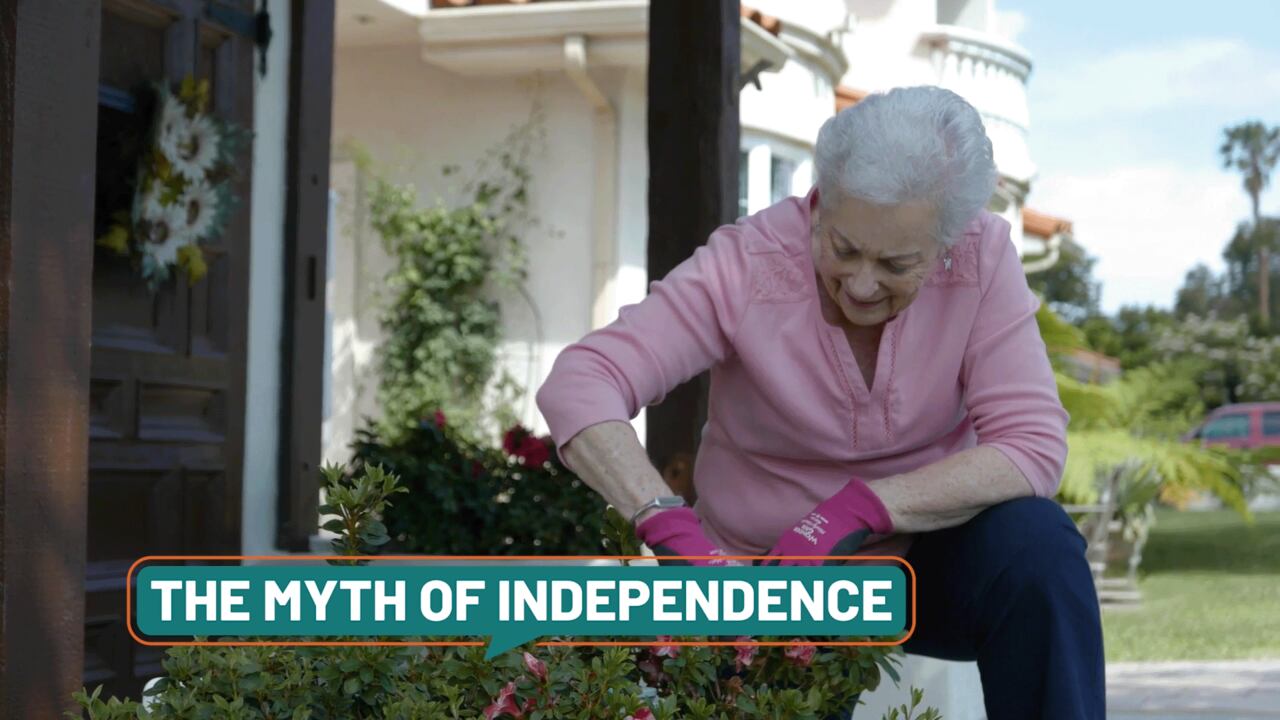
Maintaining independence is a top priority for seniors across the United States, but experts warn that the traditional notion of independence may not serve older adults well. A recent study by the Centers for Disease Control and Prevention (CDC) highlights that many seniors view living in their own homes as a vital aspect of their freedom. The data reveals that approximately one-third of individuals aged 65 and older live alone, but this scenario often masks underlying dependencies.
Understanding True Independence
Gerontologist Sam Cradduck challenges the belief that independence equates to living alone. He asserts that the concept of true independence is a myth, stating, “Who’s independent? That’s a fallacy. We’re all dependent on someone.” Cradduck emphasizes that even the wealthiest individuals rely on others, whether it’s through spending their money or depending on various forms of assistance.
Many seniors who live alone may still require help from neighbors, family members, or emergency services, thereby receiving a form of assisted care without acknowledging it. Cradduck notes, “You’re not independent if your neighbors are helping you with things and your kids are helping you with things.” Frequent calls to emergency services can also indicate a lack of independence, as these seniors might be living in conditions similar to assisted living.
To enhance their quality of life, Cradduck suggests that older adults consider transitioning to active adult living or independent living communities. Such environments can offer better-designed spaces, social engagement opportunities, and nutritional support, which may ultimately facilitate greater independence rather than diminish it.
Financial Concerns Affecting Care Decisions
Financial fears often hinder older adults from seeking necessary care, according to aging expert Amy O’Rourke. She points out that many seniors delay bringing in assistance due to concerns about depleting their savings. “Sometimes people don’t bring care in because they’re afraid to start that financial clock,” O’Rourke explains. This fear is understandable, as the prospect of running out of money looms large for many.
O’Rourke recommends that seniors in similar situations collaborate with home care agencies to share caregivers and split costs, as many agencies require a minimum commitment of three to four hours. Additionally, she advises having an external party review a senior’s budget and assets to provide reassurance. “Maybe you do have enough, but you need someone to reinforce that you’re never going to run out,” she suggests.
Planning ahead is essential, according to Cradduck, particularly to avoid making spontaneous decisions during crises. He warns families against making blanket promises about never moving a loved one into a care facility. “If you don’t plan for yourself, somebody is going to be forced to make decisions for you,” Cradduck states. O’Rourke echoes this sentiment, urging families to engage in financial and care discussions before a crisis forces action.
“The most loving thing you can do for everyone in your family, maybe for your spouse, is help each other get settled where you’re going to be,” O’Rourke stresses, emphasizing the importance of proactive planning for both emotional and financial stability.
As the landscape of aging continues to evolve, understanding the nuances of independence and the importance of planning can empower seniors to navigate their golden years with confidence and dignity.

Robinhood Stock Surges 2.5% Today Amid Tech Market Recovery

Philadelphia’s Earth Month Kicks Off with Free Events in Parks

GSK’s Inhaler Decision Sparks Health Concerns for Children

Bradford’s Fish Fry Fridays Offer Community Spirit and Flavor

Speculation Rises on Shutdowns During Trump’s Potential Presidency

Samsung Galaxy Watch 9 to Feature Larger Battery, Report Reveals

Inventors Find New Purpose Through Unconventional Paths

UConn Huskies Aim for Back-to-Back Titles in 2026 NCAA Tournament

U.S. Mine Countermeasure Ships Dock in Malaysia for Logistics Stop

University of Hawaiʻi at Mānoa Joins $25.6M AI Initiative for Disaster Monitoring

$2.2 Million Boost for Cancer Research and Training in Hawaiʻi

ALMA Discovers Companion Orbiting Red Giant Star π 1 Gruis

Sacituzumab Govitecan Shows Promise for HR+/HER2− Breast Cancer

币安人生 Sees $15.92 Million in Trading Volume Amid Market Fluctuations

New Gel Offers Hope for Regrowing Tooth Enamel in Dentistry

CAVA Group Shares Surge 5.1% Amid Mixed Analyst Ratings

Christian Bale in Talks to Join Leonardo DiCaprio in Heat 2

Supreme Court to Review Birthright Citizenship for Children of Immigrants
-
Science8 months ago
University of Hawaiʻi at Mānoa Joins $25.6M AI Initiative for Disaster Monitoring
-
 Health7 months ago
$2.2 Million Boost for Cancer Research and Training in Hawaiʻi
-
 Science8 months ago
ALMA Discovers Companion Orbiting Red Giant Star π 1 Gruis
-
 Health7 months ago
Sacituzumab Govitecan Shows Promise for HR+/HER2− Breast Cancer
-
Politics4 months ago
币安人生 Sees $15.92 Million in Trading Volume Amid Market Fluctuations
-
 Health8 months ago
New Gel Offers Hope for Regrowing Tooth Enamel in Dentistry
-
 Business7 months ago
CAVA Group Shares Surge 5.1% Amid Mixed Analyst Ratings
-
 Entertainment8 months ago
Christian Bale in Talks to Join Leonardo DiCaprio in Heat 2
-
 Politics7 months ago
Supreme Court to Review Birthright Citizenship for Children of Immigrants
-

 Lifestyle7 months ago
Fernando Mendoza Secures Maxwell and O’Brien Awards Ahead of Heisman
-

 Lifestyle8 months ago
Art Deco and Traditional Designs Set to Transform Homes in 2026
-

 World7 months ago
Swiss Residents Reject 50% Inheritance Tax on Wealthy