
Top Stories
Spirit Airlines Cuts Fleet Size Amid Fuel Price Crisis

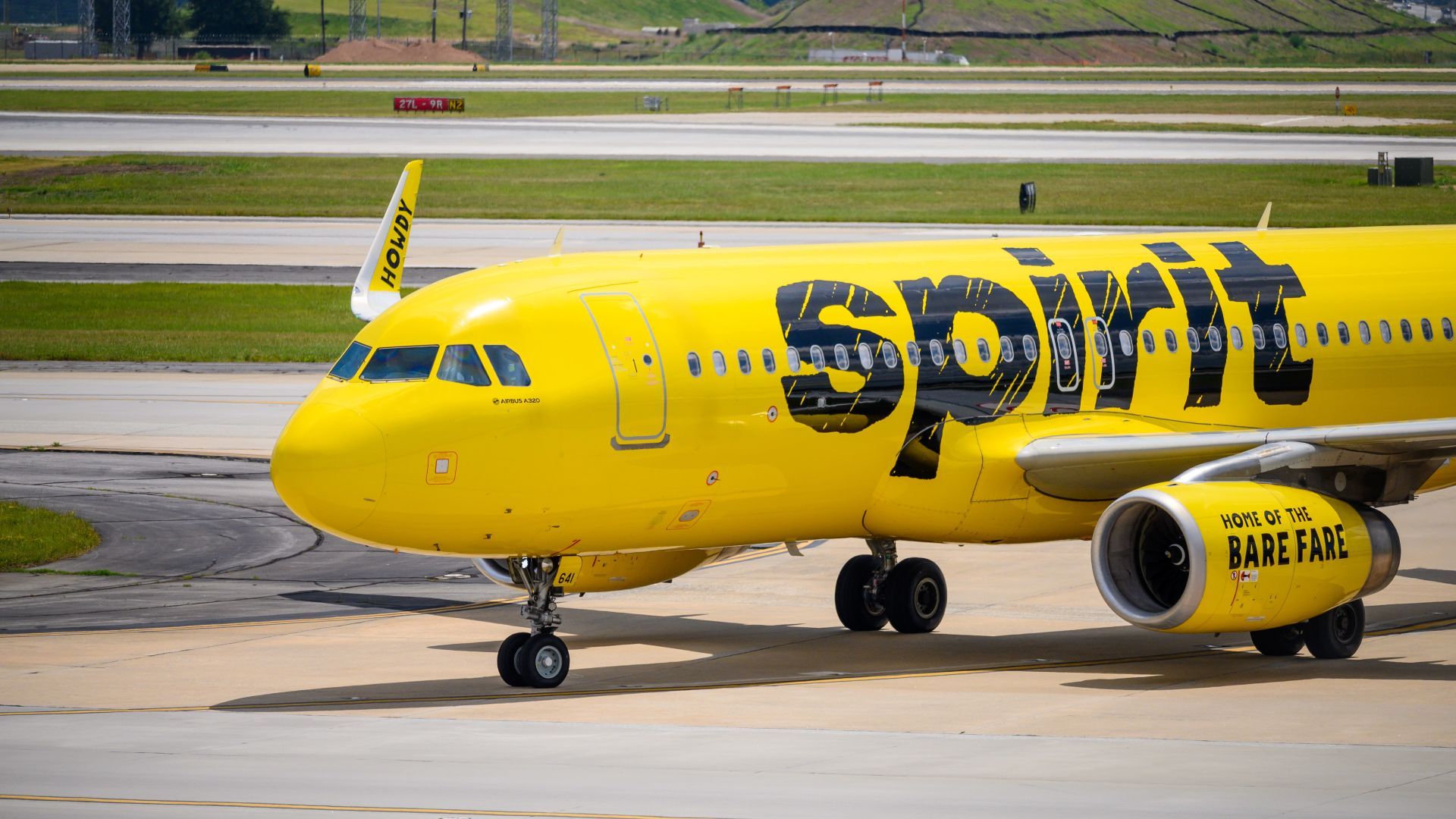
Spirit Airlines, an ultra-low-cost carrier based in the United States, is implementing a significant restructuring plan that will see its fleet reduced to between 76 and 80 aircraft by the third quarter of 2026. This drastic cut comes as the airline navigates its latest Chapter 11 bankruptcy case, having previously operated 214 planes. The airline aims to decrease its debt and lease obligations from approximately $7.4 billion to around $2 billion.
The timing of this restructuring raises concerns. As Spirit seeks court approval and aims to reassure creditors, fuel price volatility—particularly linked to the ongoing conflict involving Iran—complicates its financial forecasts. While Spirit has the potential to survive this crisis, stability in oil prices, and consequently in jet fuel costs, is essential to prevent further delays in its restructuring timeline.
Shift Toward a Smaller, More Focused Operation
Spirit Airlines has transitioned from broad turnaround discussions to a focused post-bankruptcy strategy. The airline has filed a restructuring support agreement, projecting that it will emerge by early summer as a more compact carrier. This new direction emphasizes a concentration on core markets, including Fort Lauderdale, Orlando, Detroit, and the New York City area.
Additionally, Spirit aims to enhance its product offerings by introducing premium options such as Spirit First and Premium Economy, while still maintaining its identity as a low-cost carrier. Recently, a judge approved bidding procedures for around 20 additional aircraft, establishing a minimum bid of approximately $530 million. This process highlights the extent of the airline’s reorganization as it attempts to create a viable financial model moving forward.
Financial Struggles and Future Prospects
The broader context reveals that Spirit Airlines has been grappling with significant financial challenges. Following its bankruptcy filing in August 2025, just months after concluding an earlier restructuring, the airline reported considerable losses. According to analysis by Reuters, Spirit incurred losses of about $246 million in the three months ending in June 2025. Management and industry analysts concluded that the previous restructuring had not adequately addressed the airline’s inflated cost structure.
In response to these challenges, Spirit has cut routes, exited certain airports, and rejected aircraft leases, all while seeking emergency financing and creditor support. This ongoing effort reflects the airline’s objective to streamline operations and maintain the option for potential future transactions with larger carriers once its finances stabilize.
The rising cost of fuel poses a major risk for Spirit Airlines. As global fuel prices continue to exceed even optimistic forecasts, the airline faces increasing pressure to balance competitive pricing against rising operational costs. This situation complicates Spirit’s strategy to position itself as a low-cost alternative, particularly as airlines worldwide have begun raising fares to protect their margins.
For passengers, this transformation means a smaller, more selective Spirit Airlines. While travelers in the airline’s strongest markets may still encounter its yellow jets, less profitable routes and off-peak frequencies are more likely to be eliminated. Consequently, passengers can expect fewer choices and reduced schedule flexibility, leading to a more seasonal network.
Despite these challenges, Spirit is making strides to improve its onboard experience. The introduction of premium offerings indicates a shift from purely low-cost service to a more diversified passenger proposition. However, with fuel costs showing no signs of stabilizing, travelers may see a more reliable Spirit Airlines, albeit at potentially higher prices than previously enjoyed.

Robinhood Stock Surges 2.5% Today Amid Tech Market Recovery

Philadelphia’s Earth Month Kicks Off with Free Events in Parks

GSK’s Inhaler Decision Sparks Health Concerns for Children

Bradford’s Fish Fry Fridays Offer Community Spirit and Flavor

Speculation Rises on Shutdowns During Trump’s Potential Presidency

Samsung Galaxy Watch 9 to Feature Larger Battery, Report Reveals

Inventors Find New Purpose Through Unconventional Paths

UConn Huskies Aim for Back-to-Back Titles in 2026 NCAA Tournament

U.S. Mine Countermeasure Ships Dock in Malaysia for Logistics Stop

University of Hawaiʻi at Mānoa Joins $25.6M AI Initiative for Disaster Monitoring

$2.2 Million Boost for Cancer Research and Training in Hawaiʻi

ALMA Discovers Companion Orbiting Red Giant Star π 1 Gruis

Sacituzumab Govitecan Shows Promise for HR+/HER2− Breast Cancer

币安人生 Sees $15.92 Million in Trading Volume Amid Market Fluctuations

New Gel Offers Hope for Regrowing Tooth Enamel in Dentistry

CAVA Group Shares Surge 5.1% Amid Mixed Analyst Ratings

Christian Bale in Talks to Join Leonardo DiCaprio in Heat 2

Supreme Court to Review Birthright Citizenship for Children of Immigrants
-
Science8 months ago
University of Hawaiʻi at Mānoa Joins $25.6M AI Initiative for Disaster Monitoring
-
 Health7 months ago
$2.2 Million Boost for Cancer Research and Training in Hawaiʻi
-
 Science8 months ago
ALMA Discovers Companion Orbiting Red Giant Star π 1 Gruis
-
 Health7 months ago
Sacituzumab Govitecan Shows Promise for HR+/HER2− Breast Cancer
-
Politics4 months ago
币安人生 Sees $15.92 Million in Trading Volume Amid Market Fluctuations
-
 Health8 months ago
New Gel Offers Hope for Regrowing Tooth Enamel in Dentistry
-
 Business7 months ago
CAVA Group Shares Surge 5.1% Amid Mixed Analyst Ratings
-
 Entertainment8 months ago
Christian Bale in Talks to Join Leonardo DiCaprio in Heat 2
-
 Politics7 months ago
Supreme Court to Review Birthright Citizenship for Children of Immigrants
-

 Lifestyle7 months ago
Fernando Mendoza Secures Maxwell and O’Brien Awards Ahead of Heisman
-

 Lifestyle8 months ago
Art Deco and Traditional Designs Set to Transform Homes in 2026
-

 World7 months ago
Swiss Residents Reject 50% Inheritance Tax on Wealthy