
Top Stories
Heavy Rains Trigger Deadly Flooding in Kenya, Leaving 62 Dead

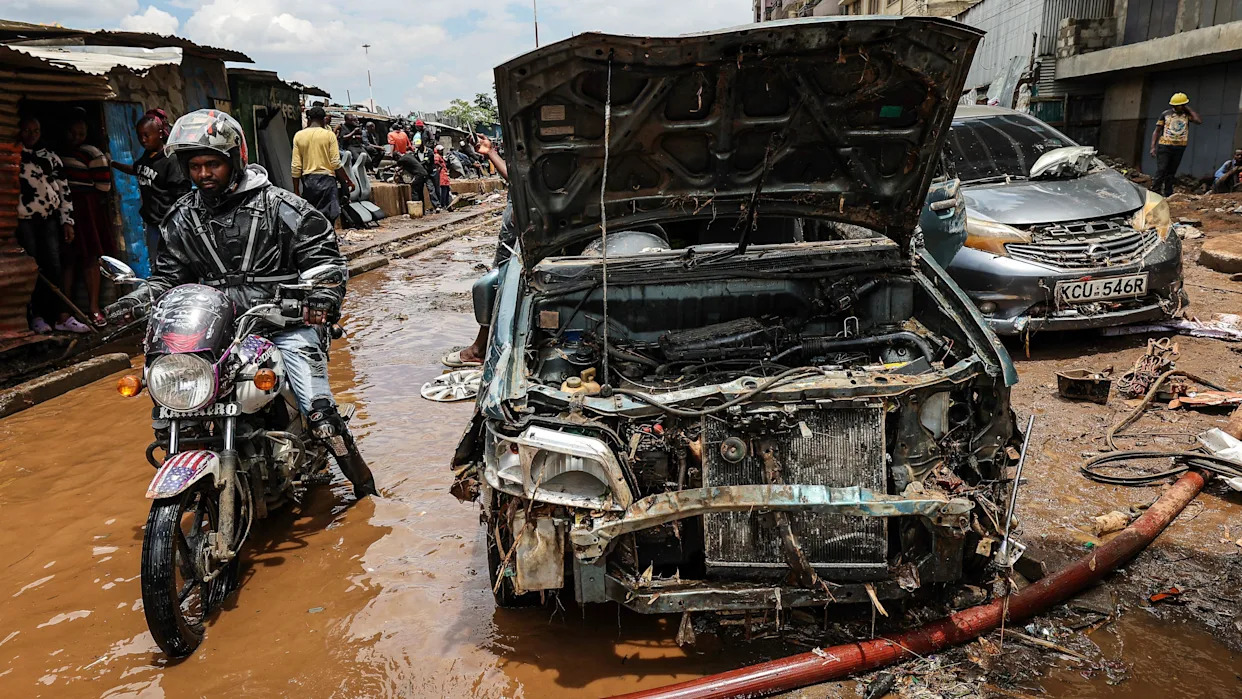
Severe flooding in Kenya has resulted in at least 62 fatalities over the past week as heavy rains continue to impact the region. The situation has escalated significantly since the previous death toll of 42 was reported, according to local authorities. The Kenya Red Cross confirmed that emergency rescue operations have been underway, including the rescue of 11 individuals from a minibus taxi that became stranded in rising waters in the capital, Nairobi.
The heavy rainfall has led to flash floods that have not been experienced in years. Rivers have overflowed, inundating homes and damaging infrastructure, including roads and utility lines. In a statement released on Sunday, the Interior Ministry warned that various regions across the country remain susceptible to continued heavy rains, raising concerns about further flooding. Authorities are urging residents in low-lying areas to evacuate to safer locations, with over 2,000 people having already been displaced from their homes.
In Nairobi, 33 of the deceased are reported to have lost their lives due to inadequate drainage systems and the obstruction of rivers, exacerbated by unregulated urban development. Search and rescue operations are ongoing, as police reported that the ongoing torrential rain has caused devastating flooding in numerous parts of the country.
In response to the crisis, President William Ruto announced on Sunday that emergency food supplies and medical assistance are being dispatched to those in need. He also emphasized that authorities are actively working to clear blocked drainage systems to mitigate the impact of the flooding.
The flooding crisis is not confined to Kenya. Neighboring Ethiopia has also been severely affected, with over 100 fatalities reported due to floods and landslides in the southern region.
The scientific community identifies several factors contributing to increased flooding, with climate change being a significant influence. The atmosphere has warmed by approximately 1.1°C since the onset of the industrial era, leading to more extreme weather patterns, including intense rainfall. Without substantial cuts to greenhouse gas emissions by governments worldwide, these trends are expected to continue.
As the situation develops, the focus remains on the urgent need for humanitarian assistance and infrastructure improvements to prevent future tragedies.

Robinhood Stock Surges 2.5% Today Amid Tech Market Recovery

Philadelphia’s Earth Month Kicks Off with Free Events in Parks

GSK’s Inhaler Decision Sparks Health Concerns for Children

Bradford’s Fish Fry Fridays Offer Community Spirit and Flavor

Speculation Rises on Shutdowns During Trump’s Potential Presidency

Samsung Galaxy Watch 9 to Feature Larger Battery, Report Reveals

Inventors Find New Purpose Through Unconventional Paths

UConn Huskies Aim for Back-to-Back Titles in 2026 NCAA Tournament

U.S. Mine Countermeasure Ships Dock in Malaysia for Logistics Stop

University of Hawaiʻi at Mānoa Joins $25.6M AI Initiative for Disaster Monitoring

$2.2 Million Boost for Cancer Research and Training in Hawaiʻi

ALMA Discovers Companion Orbiting Red Giant Star π 1 Gruis

Sacituzumab Govitecan Shows Promise for HR+/HER2− Breast Cancer

币安人生 Sees $15.92 Million in Trading Volume Amid Market Fluctuations

New Gel Offers Hope for Regrowing Tooth Enamel in Dentistry

CAVA Group Shares Surge 5.1% Amid Mixed Analyst Ratings

Christian Bale in Talks to Join Leonardo DiCaprio in Heat 2

Supreme Court to Review Birthright Citizenship for Children of Immigrants
-
Science8 months ago
University of Hawaiʻi at Mānoa Joins $25.6M AI Initiative for Disaster Monitoring
-
 Health7 months ago
$2.2 Million Boost for Cancer Research and Training in Hawaiʻi
-
 Science8 months ago
ALMA Discovers Companion Orbiting Red Giant Star π 1 Gruis
-
 Health7 months ago
Sacituzumab Govitecan Shows Promise for HR+/HER2− Breast Cancer
-
Politics4 months ago
币安人生 Sees $15.92 Million in Trading Volume Amid Market Fluctuations
-
 Health8 months ago
New Gel Offers Hope for Regrowing Tooth Enamel in Dentistry
-
 Business7 months ago
CAVA Group Shares Surge 5.1% Amid Mixed Analyst Ratings
-
 Entertainment8 months ago
Christian Bale in Talks to Join Leonardo DiCaprio in Heat 2
-
 Politics7 months ago
Supreme Court to Review Birthright Citizenship for Children of Immigrants
-

 Lifestyle8 months ago
Art Deco and Traditional Designs Set to Transform Homes in 2026
-

 Lifestyle7 months ago
Fernando Mendoza Secures Maxwell and O’Brien Awards Ahead of Heisman
-

 World7 months ago
Swiss Residents Reject 50% Inheritance Tax on Wealthy