
World
FCC Issues Warning to Broadcasters on Iran War Coverage

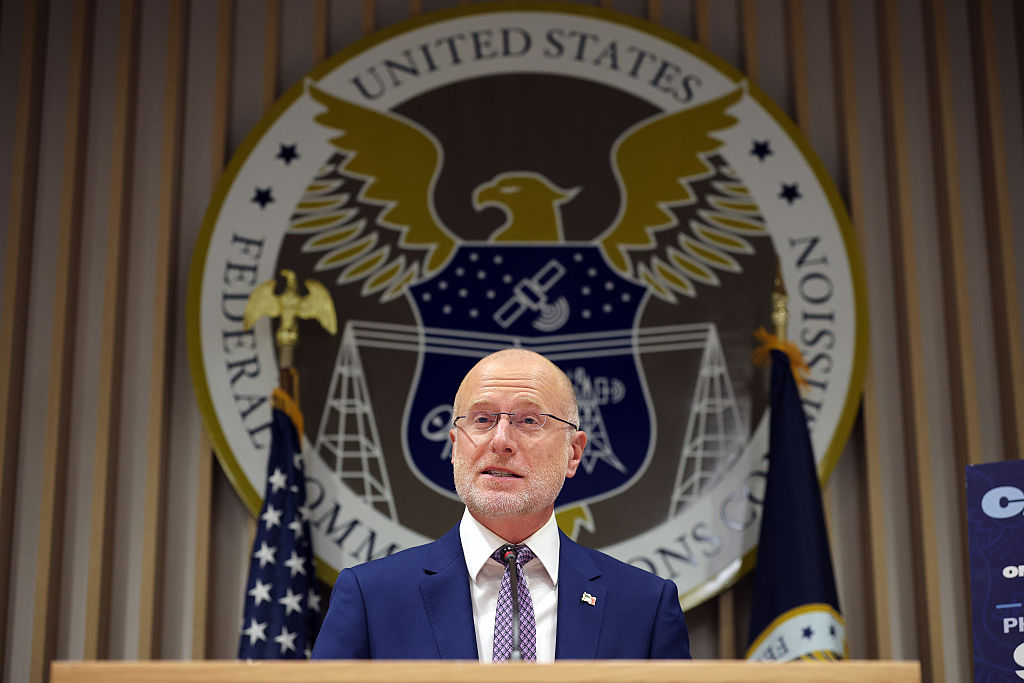
As the conflict between the United States and Iran continues into its third week, the Federal Communications Commission (FCC) has issued a stern warning to broadcasters regarding their coverage of the war. FCC Chairman Brendan Carr emphasized that news outlets must accurately report on the military actions or risk facing regulatory scrutiny linked to their broadcast licenses. This statement follows accusations from former President Donald Trump, who claimed that major media organizations were misleading the public about the administration’s military campaign.
Carr highlighted the legal obligation of broadcasters to serve the “public interest,” suggesting that those disseminating what he termed as “inaccurate reporting” about the war could encounter repercussions when their licenses come up for renewal. He stated, “Broadcasters that are running hoaxes and news distortions have a chance now to correct course before their license renewals come up.”
The warning comes in the wake of Trump’s posts on his social media platform, Truth Social, where he criticized media coverage as “wrong” and encouraged Americans to distrust reports circulating in the press. Trump has consistently accused news outlets of distorting information regarding the effectiveness and scope of U.S. strikes on Iranian targets.
Concerns about press freedom have arisen swiftly in response to Carr’s remarks. Advocates and media analysts fear these warnings could represent governmental pressure on news organizations during a time of conflict. The controversy is further complicated by ongoing scrutiny of major media companies and their interactions with federal regulators.
Recent controversies involving CBS have intensified discussions about editorial independence, particularly after an episode of “60 Minutes” reportedly faced internal review prior to airing. Additionally, political comedy programs, such as Stephen Colbert’s late-night show, have faced backlash from conservative critics for perceived biases in their content.
Furthermore, major media corporations, including Warner Bros. Discovery and Paramount Global, are undergoing significant corporate restructuring and potential mergers that may require regulatory approval from federal agencies. Critics argue that this combination of political pressure and regulatory authority could create a chilling effect within newsrooms, especially as the administration responds to reporting on the war.
Brian Schatz, a U.S. senator, expressed concerns regarding the implications of Carr’s warning, stating, “This is a clear directive to provide positive war coverage or else licenses may not be renewed.” Schatz emphasized the gravity of the situation, noting that the stakes of war coverage are substantially higher than entertainment programming.
Despite the backlash, Carr defended the FCC’s stance, asserting that broadcasters utilizing publicly licensed airwaves must provide accurate information to their audiences. This ongoing debate highlights the increasing tensions between the current administration and major news organizations as the conflict unfolds and questions about war coverage grow.
The implications of these developments remain significant as the situation evolves, raising critical issues about the independence of the press and the responsibility of broadcasters during wartime.

Robinhood Stock Surges 2.5% Today Amid Tech Market Recovery

Philadelphia’s Earth Month Kicks Off with Free Events in Parks

GSK’s Inhaler Decision Sparks Health Concerns for Children

Bradford’s Fish Fry Fridays Offer Community Spirit and Flavor

Speculation Rises on Shutdowns During Trump’s Potential Presidency

Samsung Galaxy Watch 9 to Feature Larger Battery, Report Reveals

Inventors Find New Purpose Through Unconventional Paths

UConn Huskies Aim for Back-to-Back Titles in 2026 NCAA Tournament

U.S. Mine Countermeasure Ships Dock in Malaysia for Logistics Stop

University of Hawaiʻi at Mānoa Joins $25.6M AI Initiative for Disaster Monitoring

$2.2 Million Boost for Cancer Research and Training in Hawaiʻi

ALMA Discovers Companion Orbiting Red Giant Star π 1 Gruis

Sacituzumab Govitecan Shows Promise for HR+/HER2− Breast Cancer

币安人生 Sees $15.92 Million in Trading Volume Amid Market Fluctuations

New Gel Offers Hope for Regrowing Tooth Enamel in Dentistry

CAVA Group Shares Surge 5.1% Amid Mixed Analyst Ratings

Christian Bale in Talks to Join Leonardo DiCaprio in Heat 2

Supreme Court to Review Birthright Citizenship for Children of Immigrants
-
Science9 months ago
University of Hawaiʻi at Mānoa Joins $25.6M AI Initiative for Disaster Monitoring
-
 Health7 months ago
$2.2 Million Boost for Cancer Research and Training in Hawaiʻi
-
 Science9 months ago
ALMA Discovers Companion Orbiting Red Giant Star π 1 Gruis
-
 Health7 months ago
Sacituzumab Govitecan Shows Promise for HR+/HER2− Breast Cancer
-
Politics5 months ago
币安人生 Sees $15.92 Million in Trading Volume Amid Market Fluctuations
-
 Health9 months ago
New Gel Offers Hope for Regrowing Tooth Enamel in Dentistry
-
 Business8 months ago
CAVA Group Shares Surge 5.1% Amid Mixed Analyst Ratings
-
 Entertainment9 months ago
Christian Bale in Talks to Join Leonardo DiCaprio in Heat 2
-
 Politics8 months ago
Supreme Court to Review Birthright Citizenship for Children of Immigrants
-

 Lifestyle9 months ago
Art Deco and Traditional Designs Set to Transform Homes in 2026
-

 Lifestyle8 months ago
Fernando Mendoza Secures Maxwell and O’Brien Awards Ahead of Heisman
-

 World8 months ago
Swiss Residents Reject 50% Inheritance Tax on Wealthy