
Business
US and Taiwan Unite in $500 Billion Semiconductor Deal

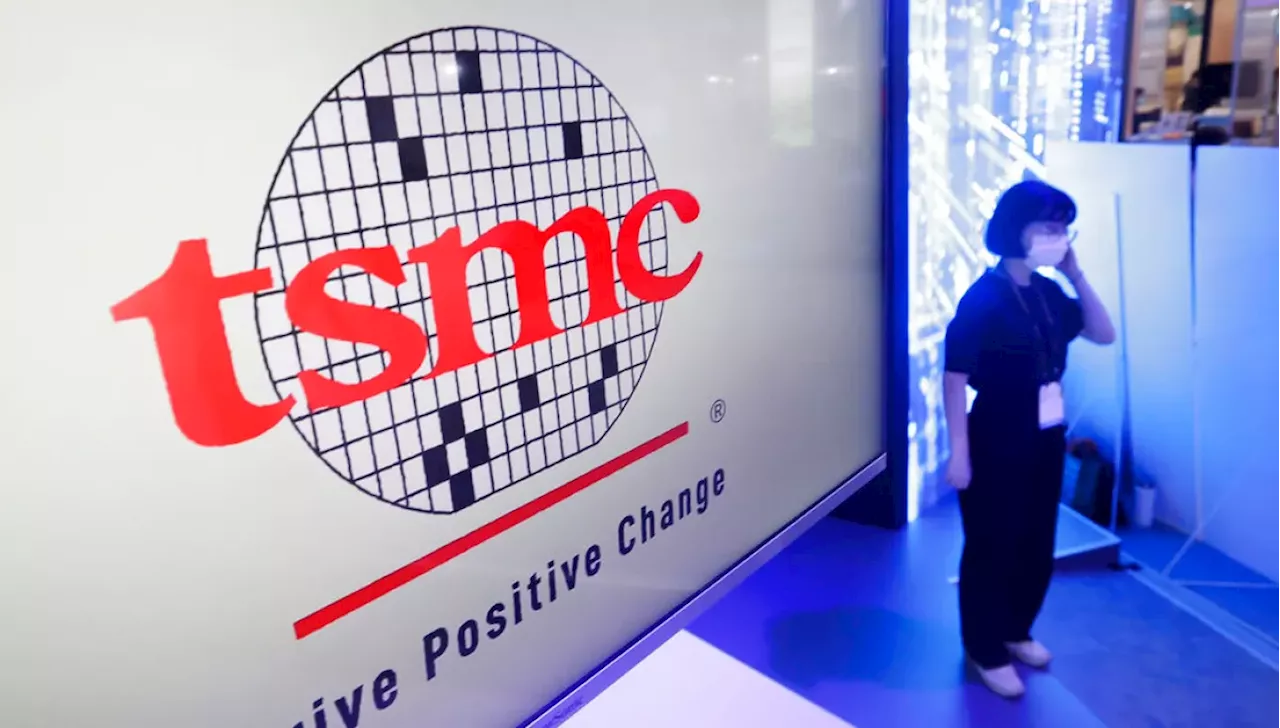
The United States and Taiwan have entered into a significant economic partnership, committing a staggering $500 billion to enhance domestic semiconductor supply chains. This agreement represents a strategic move to bolster technological leadership and revitalise American manufacturing capabilities.
At the heart of this partnership is a pledge from Taiwan to invest $250 billion in direct investments aimed at constructing advanced production facilities. These facilities will focus on the manufacturing of semiconductor chips, energy solutions, and pharmaceuticals, contributing to the United States’ self-sufficiency in critical sectors. Additionally, Taiwan will provide $250 billion in credit guarantees to support the extensive development of a robust semiconductor ecosystem within the United States.
This collaboration is poised to reshape the economic landscape, establishing joint industrial parks that will further reinforce America’s industrial infrastructure. The ambitious goal is to position the United States as the global leader in next-generation technology and advanced manufacturing.
Tariff Reductions and Trade Incentives
The agreement includes notable provisions for tariff reductions. The United States has agreed to cap reciprocal tariffs on Taiwanese imports at 15%, down from the previous 20%. Furthermore, zero percent tariffs will apply to a select range of essential goods, including critical aircraft components and generic pharmaceuticals, promoting smoother trade and deeper economic integration.
To expedite the construction of new semiconductor fabrication plants, such as those operated by prominent manufacturers like TSMC, the agreement introduces a significant duty-free import provision. Companies building new facilities will be allowed to import construction materials at a rate of up to two and a half times their building capacity, free of tariffs. Once these facilities are operational, they can continue importing materials at one and a half times their production capacity, ensuring a steady supply chain and uninterrupted manufacturing processes within the United States.
Reversing Offshoring Trends
This landmark partnership is a decisive response to decades of offshoring that has weakened the American industrial base and created vulnerabilities in essential sectors. The U.S. Department of Commerce has highlighted the critical importance of semiconductors, noting their vital role in the country’s industrial, technological, and military strength.
The Trump Administration has underscored its commitment to reversing reliance on foreign manufacturers, recognising the urgent need to reclaim American leadership in the semiconductor industry. This partnership with Taiwan is a pivotal step toward achieving that objective, combining financial resources, technological expertise, and a shared vision for a resilient economy.
The long-term implications of this agreement are expected to be profound. It aims to create high-paying jobs, enhance national security, and bolster the global competitiveness of both the United States and Taiwan. By focusing on domestic manufacturing capabilities, the partnership is set to foster a more robust industrial ecosystem in the U.S., ultimately reshaping the landscape of global trade and technological innovation.
This economic alliance also marks a significant diplomatic achievement, reflecting a deeper relationship between the two nations and a commitment to shared values and strategic alignment. As both countries navigate an increasingly complex global landscape, this partnership stands as a testament to their collaboration and mutual goals in the realm of technology and manufacturing.

Robinhood Stock Surges 2.5% Today Amid Tech Market Recovery

Philadelphia’s Earth Month Kicks Off with Free Events in Parks

GSK’s Inhaler Decision Sparks Health Concerns for Children

Bradford’s Fish Fry Fridays Offer Community Spirit and Flavor

Speculation Rises on Shutdowns During Trump’s Potential Presidency

Samsung Galaxy Watch 9 to Feature Larger Battery, Report Reveals

Inventors Find New Purpose Through Unconventional Paths

UConn Huskies Aim for Back-to-Back Titles in 2026 NCAA Tournament

U.S. Mine Countermeasure Ships Dock in Malaysia for Logistics Stop

University of Hawaiʻi at Mānoa Joins $25.6M AI Initiative for Disaster Monitoring

$2.2 Million Boost for Cancer Research and Training in Hawaiʻi

ALMA Discovers Companion Orbiting Red Giant Star π 1 Gruis

Sacituzumab Govitecan Shows Promise for HR+/HER2− Breast Cancer

币安人生 Sees $15.92 Million in Trading Volume Amid Market Fluctuations

New Gel Offers Hope for Regrowing Tooth Enamel in Dentistry

CAVA Group Shares Surge 5.1% Amid Mixed Analyst Ratings

Christian Bale in Talks to Join Leonardo DiCaprio in Heat 2

Supreme Court to Review Birthright Citizenship for Children of Immigrants
-
Science9 months ago
University of Hawaiʻi at Mānoa Joins $25.6M AI Initiative for Disaster Monitoring
-
 Health7 months ago
$2.2 Million Boost for Cancer Research and Training in Hawaiʻi
-
 Science8 months ago
ALMA Discovers Companion Orbiting Red Giant Star π 1 Gruis
-
 Health7 months ago
Sacituzumab Govitecan Shows Promise for HR+/HER2− Breast Cancer
-
Politics5 months ago
币安人生 Sees $15.92 Million in Trading Volume Amid Market Fluctuations
-
 Health9 months ago
New Gel Offers Hope for Regrowing Tooth Enamel in Dentistry
-
 Business7 months ago
CAVA Group Shares Surge 5.1% Amid Mixed Analyst Ratings
-
 Entertainment8 months ago
Christian Bale in Talks to Join Leonardo DiCaprio in Heat 2
-
 Politics7 months ago
Supreme Court to Review Birthright Citizenship for Children of Immigrants
-

 Lifestyle8 months ago
Art Deco and Traditional Designs Set to Transform Homes in 2026
-

 Lifestyle7 months ago
Fernando Mendoza Secures Maxwell and O’Brien Awards Ahead of Heisman
-

 World8 months ago
Swiss Residents Reject 50% Inheritance Tax on Wealthy