
Entertainment
Circulose to Reopen Textile Recycling Plant in Sweden by 2026

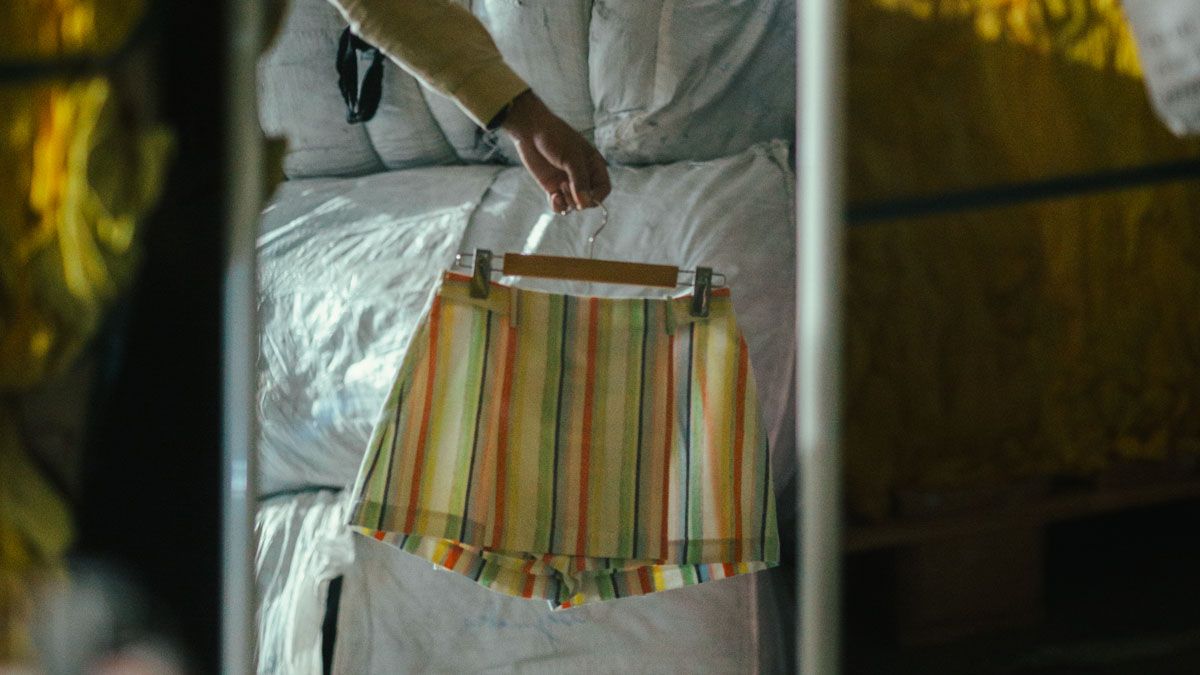
After a prolonged hiatus, Circulose has announced plans to reopen its textile recycling plant in Sundsvall, Sweden, by the end of 2026. This development follows the bankruptcy of its predecessor, Renewcell, two years prior, which had left the facility dormant. The revitalization of the plant aims to position Circulose at the forefront of the textile-to-textile recycling movement, which has faced mounting challenges in recent years.
The Sundsvall plant, originally focused on chemical textile recycling, has undergone a strategic overhaul under the leadership of CEO Jonatan Janmark, who joined the company in November 2024. Janmark commented on the site’s potential, stating, “It’s good to repurpose existing infrastructure instead of building completely new, because it saves on capital expenditure.” He added that the process resembles that of a traditional paper pulp mill, which simplifies the transition back into production.
Despite this promising turnaround, the decision to maintain operations in Sweden has been met with skepticism. Critics argue that the location may not be optimal for sourcing the necessary post-consumer waste, pointing to the substantial volume of textile waste generated in Asia, where manufacturing hubs are closer to abundant post-industrial waste. Janmark acknowledged this, noting that while costs might be lower in Asia, the advantages of existing infrastructure and access to green energy in Sweden played a significant role in their decision.
In recent months, several companies have also made headlines with substantial investments in textile recycling facilities across Europe. In May 2025, the US-based firm Circ announced plans to construct a $500 million plant in Saint-Avold, France, with a goal of processing 70,000 metric tons of recycled polycotton annually by 2028. Similarly, French company Reju is establishing a Regeneration Hub in Lacq, complementing its existing operations in Frankfurt and future plans in the Netherlands and Rochester, New York.
As the industry evolves, the question of where to establish recycling facilities has become increasingly critical. Many startups currently supplement their operations with post-industrial waste due to insufficient infrastructure for collecting and sorting post-consumer textiles. Katrin Ley, managing director at the innovation platform Fashion for Good, is spearheading efforts to consolidate textile waste data into a comprehensive “living map” known as the World of Waste.
Preliminary findings suggest that the most significant textile waste deposits are located in the United States (15.4 million tons annually), India (7.79 million tons), Canada (1.14 million tons), and Germany (one million tons). However, this landscape is expected to shift as data from China and Türkiye becomes available later this year, potentially revealing new opportunities for sourcing materials. Ley emphasized the distinction between post-consumer and post-industrial waste, highlighting its importance for recyclers as they ramp up operations.
Circulose currently imports waste from diverse regions, including Türkiye, Bangladesh, North Africa, and Central America. Janmark noted that the costs associated with transporting feedstock from the port in Rotterdam to Sundsvall can be substantial, with the environmental impact of land transportation being a notable concern. He added, “Hopefully, this is temporary, but it depends on how the landscape develops.”
Regulatory challenges also complicate the logistics of waste shipment, particularly for circular fashion. Various countries, including those within the EU, have restrictions on the export of textile waste. In contrast, countries such as China and Vietnam have implemented strict bans on incoming textile waste shipments. Notably, Syre, a polyester recycler backed by H&M, recently secured approval from Vietnam’s prime minister for its gigascale recycling plant after overcoming significant regulatory hurdles.
The dynamic landscape of textile recycling underscores the importance of strategic placement for new facilities. Companies like Coleo have taken a proactive approach by establishing waste sorting and pre-processing centers in France, capitalizing on the financial incentives provided by the country’s extended producer responsibility (EPR) scheme. This initiative allows them to receive compensation for processing post-consumer textile waste, making the French location advantageous for their operations.
Securing the right site is crucial for startups entering the recycling market. Dennis Nobelius, CEO of Syre, highlighted the complexities involved in selecting industrial parks equipped with the necessary infrastructure. He noted, “We wanted to work with a site that has chemical plants and knows how to handle chemicals.” With numerous visits to industrial parks across Vietnam, Nobelius aims to finalize a location soon.
“These decisions are not trivial,”
emphasized Peter Majeranowski, co-founder and CEO of Circ. He explained that the long-term nature of these investments requires careful consideration of energy, logistics, and regulatory frameworks. He also pointed out the unique consultation process in France, designed to minimize adverse effects on communities and the environment.
As the industry moves forward, the clustering of recycling facilities may foster collaboration and innovation. Syre’s Nobelius expressed optimism about this potential, stating, “The presence of other recyclers brings a lot of value.” Meanwhile, Coleo’s Huguet noted that the establishment of industrial clusters is essential for enhancing the viability of the recycling value chain.
In summary, the reopening of the Circulose plant in Sundsvall marks a significant moment for the textile recycling industry. As companies navigate the complexities of location, regulation, and infrastructure, the development of sustainable practices in textile recycling will be critical to addressing the environmental challenges posed by the fashion industry.

Robinhood Stock Surges 2.5% Today Amid Tech Market Recovery

Philadelphia’s Earth Month Kicks Off with Free Events in Parks

GSK’s Inhaler Decision Sparks Health Concerns for Children

Bradford’s Fish Fry Fridays Offer Community Spirit and Flavor

Speculation Rises on Shutdowns During Trump’s Potential Presidency

Samsung Galaxy Watch 9 to Feature Larger Battery, Report Reveals

Inventors Find New Purpose Through Unconventional Paths

UConn Huskies Aim for Back-to-Back Titles in 2026 NCAA Tournament

U.S. Mine Countermeasure Ships Dock in Malaysia for Logistics Stop

University of Hawaiʻi at Mānoa Joins $25.6M AI Initiative for Disaster Monitoring

$2.2 Million Boost for Cancer Research and Training in Hawaiʻi

ALMA Discovers Companion Orbiting Red Giant Star π 1 Gruis

Sacituzumab Govitecan Shows Promise for HR+/HER2− Breast Cancer

币安人生 Sees $15.92 Million in Trading Volume Amid Market Fluctuations

New Gel Offers Hope for Regrowing Tooth Enamel in Dentistry

CAVA Group Shares Surge 5.1% Amid Mixed Analyst Ratings

Christian Bale in Talks to Join Leonardo DiCaprio in Heat 2

Supreme Court to Review Birthright Citizenship for Children of Immigrants
-
Science8 months ago
University of Hawaiʻi at Mānoa Joins $25.6M AI Initiative for Disaster Monitoring
-
 Health7 months ago
$2.2 Million Boost for Cancer Research and Training in Hawaiʻi
-
 Science8 months ago
ALMA Discovers Companion Orbiting Red Giant Star π 1 Gruis
-
 Health7 months ago
Sacituzumab Govitecan Shows Promise for HR+/HER2− Breast Cancer
-
Politics4 months ago
币安人生 Sees $15.92 Million in Trading Volume Amid Market Fluctuations
-
 Health8 months ago
New Gel Offers Hope for Regrowing Tooth Enamel in Dentistry
-
 Business7 months ago
CAVA Group Shares Surge 5.1% Amid Mixed Analyst Ratings
-
 Entertainment8 months ago
Christian Bale in Talks to Join Leonardo DiCaprio in Heat 2
-
 Politics7 months ago
Supreme Court to Review Birthright Citizenship for Children of Immigrants
-

 Lifestyle8 months ago
Art Deco and Traditional Designs Set to Transform Homes in 2026
-

 Lifestyle7 months ago
Fernando Mendoza Secures Maxwell and O’Brien Awards Ahead of Heisman
-

 World8 months ago
Swiss Residents Reject 50% Inheritance Tax on Wealthy