
Entertainment
OLED vs. QLED: Understanding Longevity in TV Technology

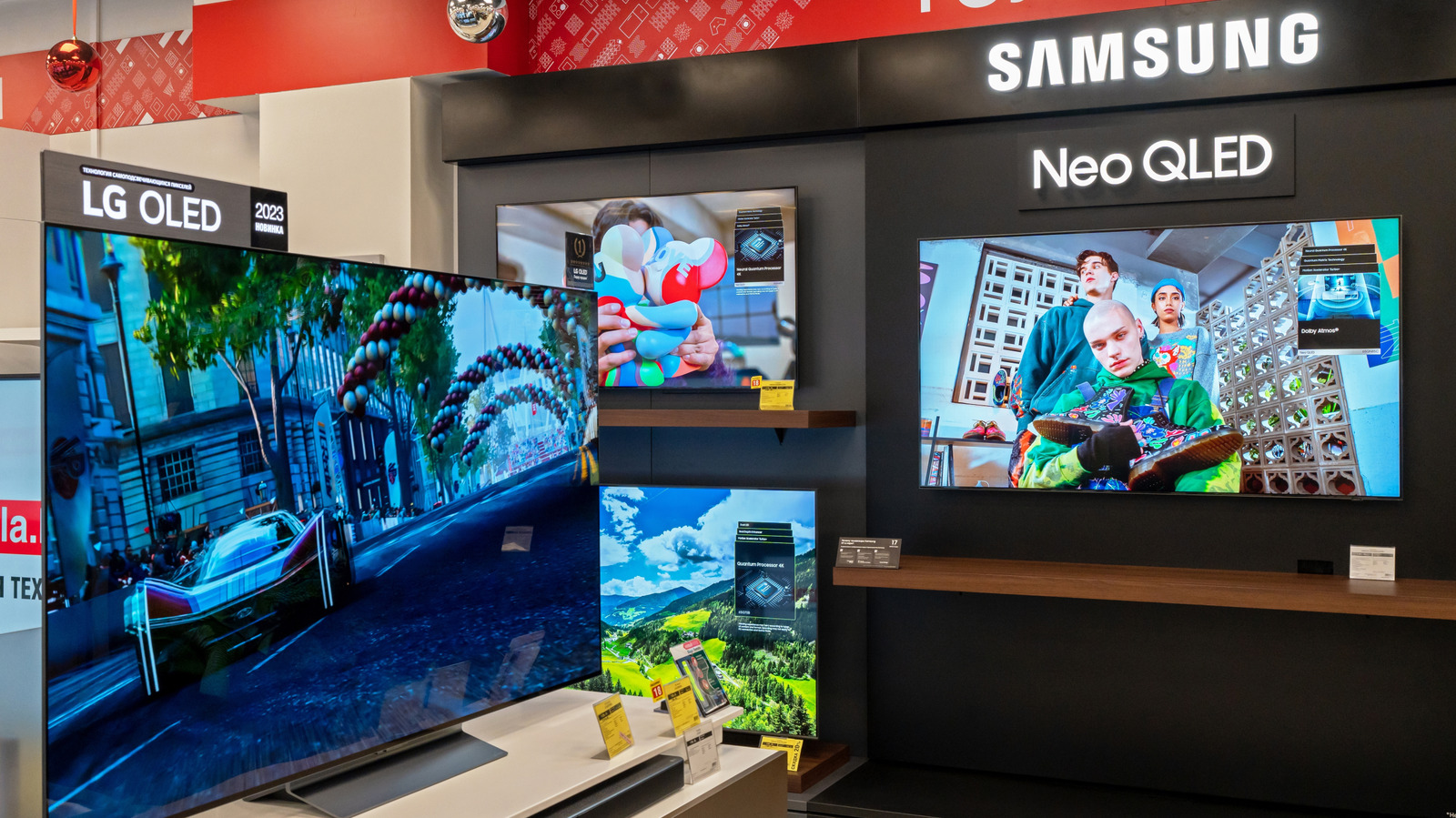
The debate between OLED and QLED television technologies continues as consumers seek longevity in their purchases. According to CEDIA, the international trade association for smart home technology, most televisions can last between seven and ten years. While QLED TVs are often perceived to have longer lifespans, consumer review site RTINGS indicates that there is no definitive winner when comparing longevity between the two types.
To differentiate between the two, it is essential to understand their fundamental designs. LED televisions, which include QLEDs, utilize liquid-crystal display (LCD) technology combined with light-emitting diodes for backlighting. In contrast, OLED televisions feature self-illuminating pixels, resulting in superior picture quality with vivid colors and deep blacks.
Despite the advantages of OLED technology, concerns regarding pixel burn-in remain significant. When static images, such as channel logos, remain on the screen for extended periods, they can cause specific pixels to wear out faster than others. This phenomenon can lead to a permanent ghost image on the display. RTINGS conducted a comprehensive three-year study involving over 100 television models, finding that all OLED units developed some level of burn-in.
While the test conditions were not representative of typical usage, regular channel changes and moderate brightness settings can mitigate the risk of burn-in for average viewers. However, gamers, who often encounter static elements like health bars and scoreboards, may experience this issue more frequently. For those prioritizing motion clarity and response time in gaming, OLED technology may still be preferred despite its burn-in challenges.
In terms of overall lifespan, QLED TVs are perceived to have an advantage due to their reduced susceptibility to burn-in. Yet, they can still develop other screen issues over time. Factors such as design, make, and model significantly influence a television’s longevity. Interestingly, price does not always correlate with durability; RTINGS found that some of the least expensive models performed exceptionally well, while pricier units were among the first to fail.
The findings from RTINGS provide encouraging news for OLED owners. The organization concluded that “OLEDs tend to last the longest and experience the fewest issues.” Out of the televisions tested, 20 models failed completely, including three OLEDs, primarily due to backlight failures and internal component malfunctions. Most televisions, however, performed admirably during the first 10,000 hours of use, which equates to approximately ten years for the average household.
To extend the life of any television, it is advisable to avoid maximum brightness settings, as this can accelerate pixel wear for both QLED and OLED units. Regular usage is not discouraged, but ensuring the television is powered down when not in use can help prolong its lifespan.
As consumers navigate their options in the ever-evolving television market, understanding the strengths and weaknesses of OLED and QLED technologies is crucial. While QLEDs may offer a longer lifespan, the choice ultimately hinges on individual preferences regarding picture quality and usage habits. With the right care, both technologies can provide years of entertainment.

Robinhood Stock Surges 2.5% Today Amid Tech Market Recovery

Philadelphia’s Earth Month Kicks Off with Free Events in Parks

GSK’s Inhaler Decision Sparks Health Concerns for Children

Bradford’s Fish Fry Fridays Offer Community Spirit and Flavor

Speculation Rises on Shutdowns During Trump’s Potential Presidency

Samsung Galaxy Watch 9 to Feature Larger Battery, Report Reveals

Inventors Find New Purpose Through Unconventional Paths

UConn Huskies Aim for Back-to-Back Titles in 2026 NCAA Tournament

U.S. Mine Countermeasure Ships Dock in Malaysia for Logistics Stop

University of Hawaiʻi at Mānoa Joins $25.6M AI Initiative for Disaster Monitoring

$2.2 Million Boost for Cancer Research and Training in Hawaiʻi

ALMA Discovers Companion Orbiting Red Giant Star π 1 Gruis

Sacituzumab Govitecan Shows Promise for HR+/HER2− Breast Cancer

币安人生 Sees $15.92 Million in Trading Volume Amid Market Fluctuations

New Gel Offers Hope for Regrowing Tooth Enamel in Dentistry

CAVA Group Shares Surge 5.1% Amid Mixed Analyst Ratings

Christian Bale in Talks to Join Leonardo DiCaprio in Heat 2

Supreme Court to Review Birthright Citizenship for Children of Immigrants
-
Science9 months ago
University of Hawaiʻi at Mānoa Joins $25.6M AI Initiative for Disaster Monitoring
-
 Health7 months ago
$2.2 Million Boost for Cancer Research and Training in Hawaiʻi
-
 Science8 months ago
ALMA Discovers Companion Orbiting Red Giant Star π 1 Gruis
-
 Health7 months ago
Sacituzumab Govitecan Shows Promise for HR+/HER2− Breast Cancer
-
Politics5 months ago
币安人生 Sees $15.92 Million in Trading Volume Amid Market Fluctuations
-
 Health9 months ago
New Gel Offers Hope for Regrowing Tooth Enamel in Dentistry
-
 Business7 months ago
CAVA Group Shares Surge 5.1% Amid Mixed Analyst Ratings
-
 Entertainment8 months ago
Christian Bale in Talks to Join Leonardo DiCaprio in Heat 2
-
 Politics7 months ago
Supreme Court to Review Birthright Citizenship for Children of Immigrants
-

 Lifestyle8 months ago
Art Deco and Traditional Designs Set to Transform Homes in 2026
-

 Lifestyle7 months ago
Fernando Mendoza Secures Maxwell and O’Brien Awards Ahead of Heisman
-

 World8 months ago
Swiss Residents Reject 50% Inheritance Tax on Wealthy