
Health
Australia Enacts Historic Ban on Social Media for Under-16s

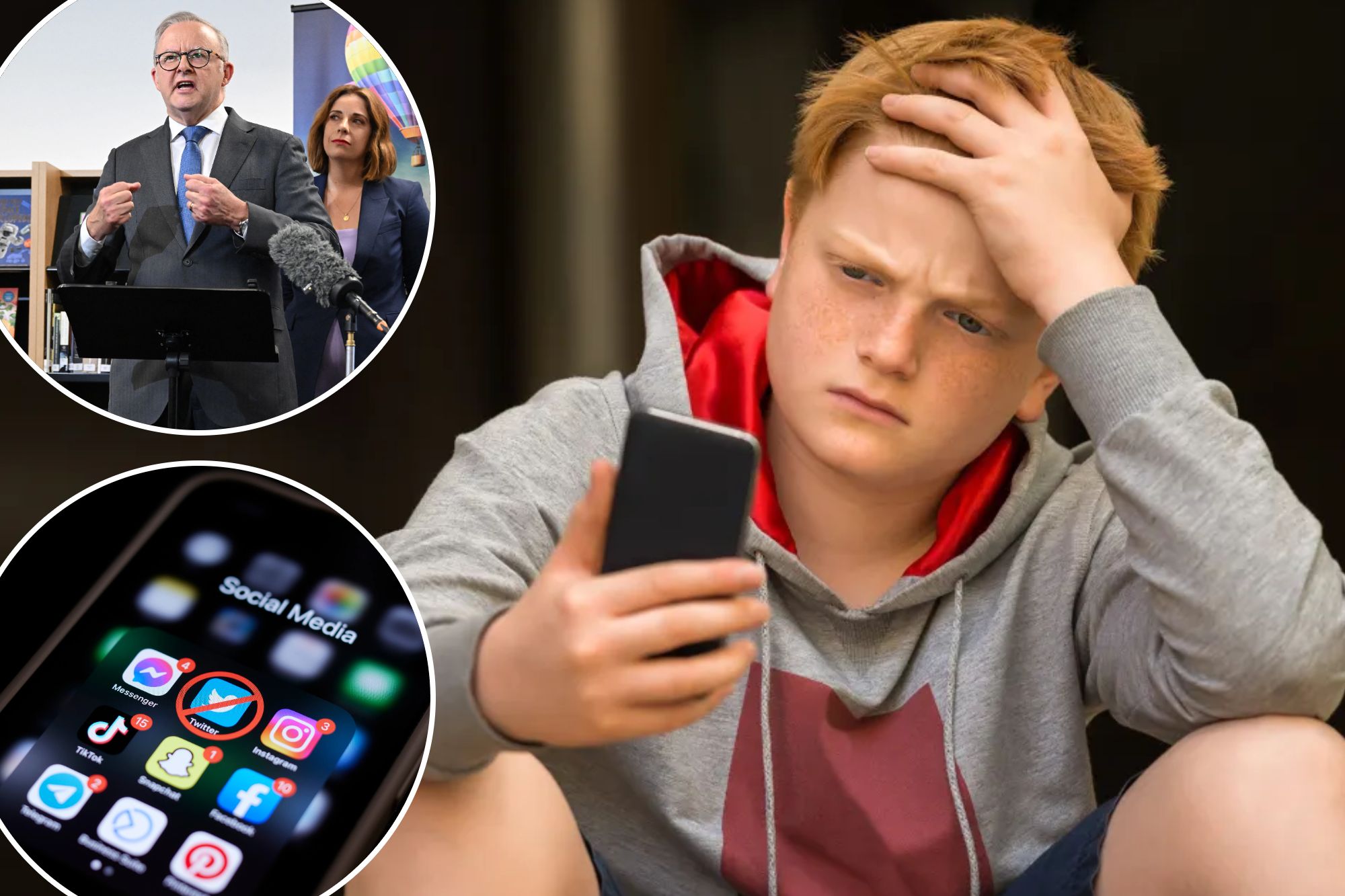
Australia has become the first country in the world to implement a ban on social media for children under the age of 16. This landmark legislation was enacted this week, with the government warning technology companies of potential multi-million-dollar fines if they do not take adequate measures to remove underage users from their platforms. Officials state that this initiative aims to address social media’s design features, which encourage prolonged screen time and expose young Australians to harmful content.
A government-commissioned study revealed that an alarming 96% of Australian children aged 10 to 15 are active on social media, with 70% reporting exposure to harmful content. This includes posts promoting violence, eating disorders, and even suicide. Prime Minister Anthony Albanese emphasized the need for this intervention, declaring, “This is the day when Australian families are taking back power from these big tech companies.” His comments reflect a growing consensus among parents and officials that children should be afforded a safer online environment.
The implications of heavy social media use on mental health have gained increasing attention globally. Research conducted in the United States in 2019 indicated that adolescents aged 12 to 15 who spent more than three hours daily on social media were at an increased risk for mental health issues, including depression and anxiety. Furthermore, studies have shown a direct correlation between frequent social media use and the development of eating disorders, particularly among young girls.
A concerning statistic revealed that 14.8% of young people admitted to mental hospitals for self-harm had visited websites promoting suicide within two weeks prior to their admission. The influence of social media extends beyond mental health, as studies indicate that exposure to risky behaviors online, such as substance abuse, can lead to real-life engagement in these behaviors.
Physical health is also at stake. A recent analysis found that children who received their first cellphone before age 12 were more susceptible to obesity and poor sleep habits. With over 80% of children aged 11 to 17 failing to meet daily physical activity recommendations, excessive screen time has contributed to a decline in both health and social development.
Sleep disturbances have become prevalent among adolescents, with surveys indicating that 93% of Gen Z members have stayed up late to check social media. Research shows that heavy daytime users experience three times more sleep issues than their peers who limit their online time. These health effects appear to be detrimental to academic performance as well. A study published in October 2023 found that increased social media use correlates with lower scores in reading, vocabulary, and memory tests.
The seriousness of these concerns prompted U.S. Surgeon General Dr. Vivek Murthy to advocate for warning labels on social media platforms, similar to those found on tobacco products. In an opinion piece in The New York Times, he stated, “It is time to require a surgeon general’s warning label on social media platforms, stating that social media is associated with significant mental health harms for adolescents.”
Encouragingly, evidence suggests that reducing social media use can yield positive outcomes. A 2023 study indicated that teens who decreased their social media engagement by just 50% experienced marked improvements in self-esteem. Another research effort found that a one-week social media detox led to a 25% reduction in depressive symptoms and a 16% decrease in anxiety. Participants also reported an average screen time reduction of approximately 30 minutes following the detox period.
The growing concern over social media’s negative effects appears to resonate with many young users. A recent survey indicated that nearly half of U.S. teens aged 13 to 17 perceive social media as having a “mostly negative” impact, a significant increase from 32% in 2022. One teenager reflected, “The overuse of social media in our society seems to be the main cause of depression among those in my age group.”
While the challenges posed by social media are significant, it is essential to acknowledge its potential benefits. When used responsibly, social media can foster community, facilitate friendships, and provide support networks for young people. A survey found that 74% of teens feel more connected to friends through social media, while 63% appreciate the platform for showcasing their creativity.
As Australia takes this pivotal step to safeguard its youth, the global community watches closely. The outcomes of this initiative could shape future discussions on social media regulations and their implications for the mental health of young people worldwide.

Robinhood Stock Surges 2.5% Today Amid Tech Market Recovery

Philadelphia’s Earth Month Kicks Off with Free Events in Parks

GSK’s Inhaler Decision Sparks Health Concerns for Children

Bradford’s Fish Fry Fridays Offer Community Spirit and Flavor

Speculation Rises on Shutdowns During Trump’s Potential Presidency

Samsung Galaxy Watch 9 to Feature Larger Battery, Report Reveals

Inventors Find New Purpose Through Unconventional Paths

UConn Huskies Aim for Back-to-Back Titles in 2026 NCAA Tournament

U.S. Mine Countermeasure Ships Dock in Malaysia for Logistics Stop

University of Hawaiʻi at Mānoa Joins $25.6M AI Initiative for Disaster Monitoring

$2.2 Million Boost for Cancer Research and Training in Hawaiʻi

ALMA Discovers Companion Orbiting Red Giant Star π 1 Gruis

Sacituzumab Govitecan Shows Promise for HR+/HER2− Breast Cancer

币安人生 Sees $15.92 Million in Trading Volume Amid Market Fluctuations

New Gel Offers Hope for Regrowing Tooth Enamel in Dentistry

CAVA Group Shares Surge 5.1% Amid Mixed Analyst Ratings

Christian Bale in Talks to Join Leonardo DiCaprio in Heat 2

Supreme Court to Review Birthright Citizenship for Children of Immigrants
-
Science9 months ago
University of Hawaiʻi at Mānoa Joins $25.6M AI Initiative for Disaster Monitoring
-
 Health8 months ago
$2.2 Million Boost for Cancer Research and Training in Hawaiʻi
-
 Science9 months ago
ALMA Discovers Companion Orbiting Red Giant Star π 1 Gruis
-
 Health7 months ago
Sacituzumab Govitecan Shows Promise for HR+/HER2− Breast Cancer
-
Politics5 months ago
币安人生 Sees $15.92 Million in Trading Volume Amid Market Fluctuations
-
 Health9 months ago
New Gel Offers Hope for Regrowing Tooth Enamel in Dentistry
-
 Business8 months ago
CAVA Group Shares Surge 5.1% Amid Mixed Analyst Ratings
-
 Entertainment9 months ago
Christian Bale in Talks to Join Leonardo DiCaprio in Heat 2
-
 Politics8 months ago
Supreme Court to Review Birthright Citizenship for Children of Immigrants
-

 Lifestyle9 months ago
Art Deco and Traditional Designs Set to Transform Homes in 2026
-

 Lifestyle8 months ago
Fernando Mendoza Secures Maxwell and O’Brien Awards Ahead of Heisman
-

 World8 months ago
Swiss Residents Reject 50% Inheritance Tax on Wealthy