
Health
California’s Medi-Cal Faces Major Overhaul Amid Federal Cuts

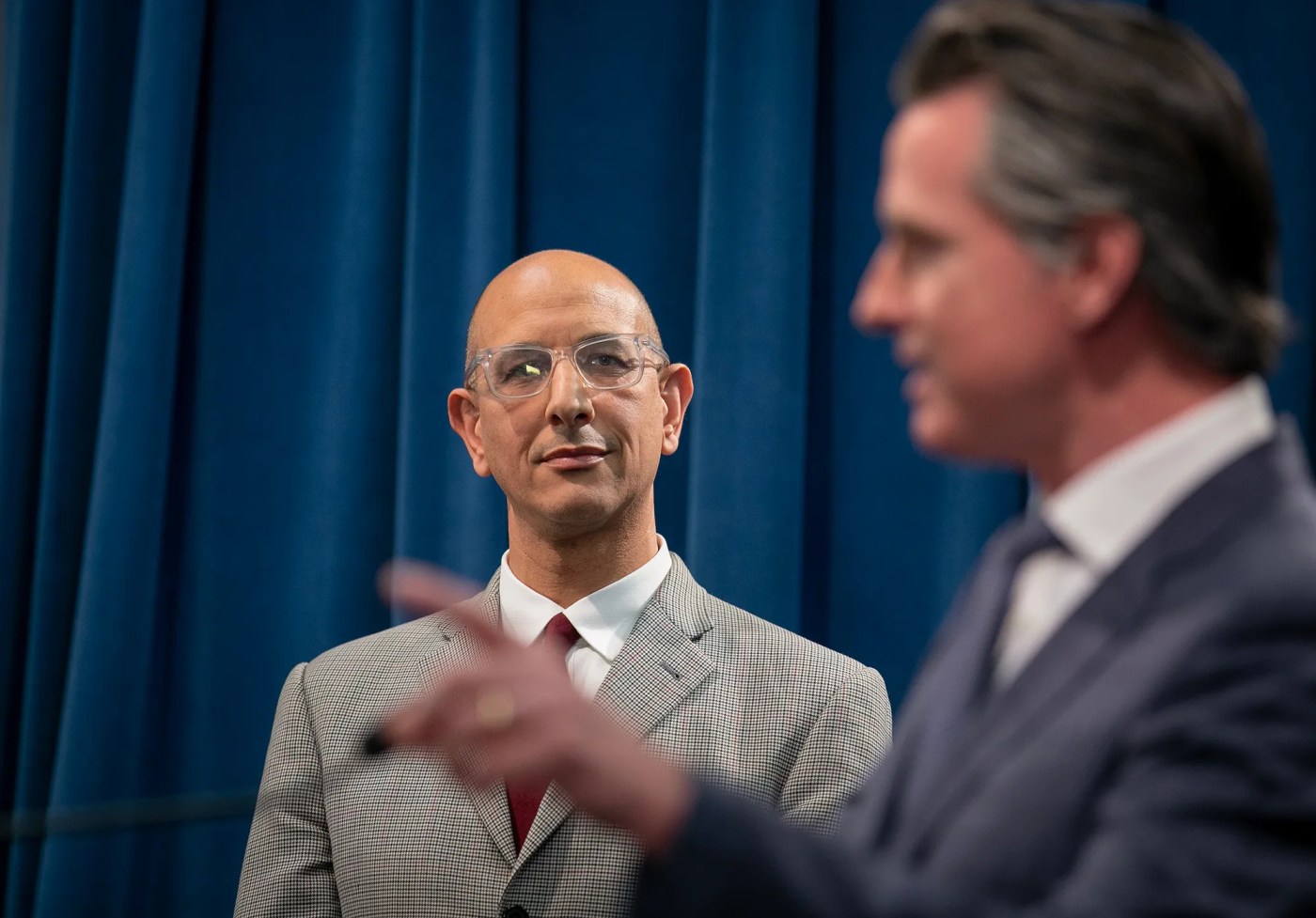
As California navigates significant changes to its Medicaid program, known locally as Medi-Cal, state officials are preparing for a crucial period leading up to 2026. This comes in the wake of federal funding cuts and potential changes introduced by H.R. 1, which could jeopardize coverage for millions of low-income residents. In response to these challenges, a coalition of health foundations established the Future of Medi-Cal Commission, tasked with developing a comprehensive ten-year strategy for the program that serves over 14 million Californians.
The commission is co-chaired by Ann O’Leary, former chief of staff to Governor Gavin Newsom, and Dr. Mark Ghaly, who previously served as the state’s Health and Human Services Secretary. Ghaly, who played a key role in California’s response to the COVID-19 pandemic, shared insights about the commission’s goals and the obstacles that lie ahead during an interview with CalMatters.
Challenges Facing Medi-Cal
Ghaly identified immediate concerns regarding the stability of Medi-Cal amid potential eligibility reductions and service cuts. He expressed worries that many individuals who have grown accustomed to their healthcare access may face disruptions. “Nothing forces you to think about these things more than the threat to your current existence,” Ghaly remarked, emphasizing the urgency of the situation.
According to Ghaly, the future sustainability of Medi-Cal is also at stake. “The growth and cost of the program must be examined carefully to ensure that we are investing in services that genuinely improve health outcomes,” he stated. Medi-Cal has experienced substantial growth in recent years, leading some observers to question whether it has expanded too much. Earlier this year, the program exceeded its budget, raising concerns about its long-term viability.
Future Directions for the Commission
The commission, consisting of 29 members, will convene for its first meetings in January 2024 and aims to present its recommendations by early 2027. Ghaly hopes the findings will be actionable for policymakers, noting that many commission members have practical experience in implementing health policies on the ground. “It’s important that what we develop is not only visionary but also feasible,” he noted.
Amid ongoing budget pressures, California has already instituted enrollment freezes and benefit cuts. Ghaly acknowledged the difficult decisions facing the state but expressed optimism that the current administration, under Governor Newsom, would avoid drastic measures. He emphasized that maintaining a balanced budget is crucial, but so is the commitment to ensuring healthcare access for vulnerable populations.
Looking ahead to the next gubernatorial administration, Ghaly urged candidates to prioritize the future of Medi-Cal. “A sophisticated candidate in the healthcare space will recognize that while Medi-Cal is not the sole solution, it is a significant component of California’s healthcare landscape,” he stated. He underscored the importance of healthcare to the state’s economy, suggesting that all Californians are invested in preserving access to quality care and fostering healthy communities.
With the Future of Medi-Cal Commission gearing up for its essential work, California is at a crossroads. The decisions made in the coming years will have lasting implications for millions of residents relying on this critical safety net.

Robinhood Stock Surges 2.5% Today Amid Tech Market Recovery

Philadelphia’s Earth Month Kicks Off with Free Events in Parks

GSK’s Inhaler Decision Sparks Health Concerns for Children

Bradford’s Fish Fry Fridays Offer Community Spirit and Flavor

Speculation Rises on Shutdowns During Trump’s Potential Presidency

Samsung Galaxy Watch 9 to Feature Larger Battery, Report Reveals

Inventors Find New Purpose Through Unconventional Paths

UConn Huskies Aim for Back-to-Back Titles in 2026 NCAA Tournament

U.S. Mine Countermeasure Ships Dock in Malaysia for Logistics Stop

University of Hawaiʻi at Mānoa Joins $25.6M AI Initiative for Disaster Monitoring

$2.2 Million Boost for Cancer Research and Training in Hawaiʻi

ALMA Discovers Companion Orbiting Red Giant Star π 1 Gruis

Sacituzumab Govitecan Shows Promise for HR+/HER2− Breast Cancer

币安人生 Sees $15.92 Million in Trading Volume Amid Market Fluctuations

New Gel Offers Hope for Regrowing Tooth Enamel in Dentistry

CAVA Group Shares Surge 5.1% Amid Mixed Analyst Ratings

Christian Bale in Talks to Join Leonardo DiCaprio in Heat 2

Supreme Court to Review Birthright Citizenship for Children of Immigrants
-
Science9 months ago
University of Hawaiʻi at Mānoa Joins $25.6M AI Initiative for Disaster Monitoring
-
 Health8 months ago
$2.2 Million Boost for Cancer Research and Training in Hawaiʻi
-
 Science9 months ago
ALMA Discovers Companion Orbiting Red Giant Star π 1 Gruis
-
 Health7 months ago
Sacituzumab Govitecan Shows Promise for HR+/HER2− Breast Cancer
-
Politics5 months ago
币安人生 Sees $15.92 Million in Trading Volume Amid Market Fluctuations
-
 Health9 months ago
New Gel Offers Hope for Regrowing Tooth Enamel in Dentistry
-
 Business8 months ago
CAVA Group Shares Surge 5.1% Amid Mixed Analyst Ratings
-
 Entertainment9 months ago
Christian Bale in Talks to Join Leonardo DiCaprio in Heat 2
-
 Politics8 months ago
Supreme Court to Review Birthright Citizenship for Children of Immigrants
-

 Lifestyle9 months ago
Art Deco and Traditional Designs Set to Transform Homes in 2026
-

 Lifestyle8 months ago
Fernando Mendoza Secures Maxwell and O’Brien Awards Ahead of Heisman
-

 World8 months ago
Swiss Residents Reject 50% Inheritance Tax on Wealthy