
Health
Chronic Inflammation Linked to Rising Colorectal Cancer in Young Adults

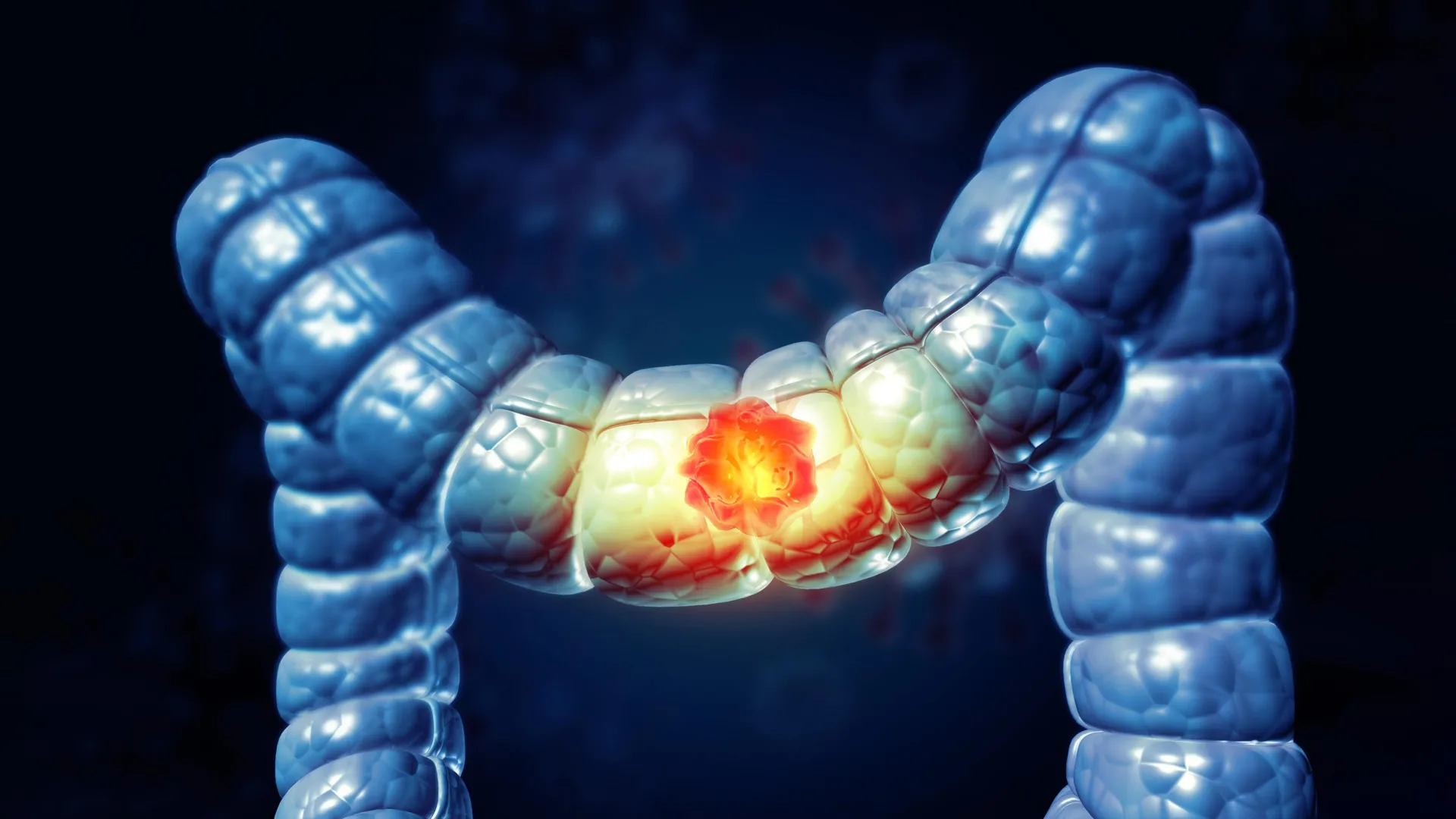
Research from UT Southwestern Medical Center reveals that chronic inflammation may be altering colon tissue in ways that increase the risk of early-onset colorectal cancer (CRC). Published on January 24, 2026, in the journal Advanced Science, the study indicates that a stiffer colon environment might promote cancer development in younger adults.
The investigation found that colon tissue from younger patients exhibited increased stiffness, even in regions that appeared healthy. This change suggests that structural alterations could occur before the onset of cancer, providing critical insight into the disease’s development.
Emina Huang, M.D., M.B.A., a Professor of Surgery and Executive Vice Chair of Research for Surgery at UT Southwestern, emphasized the significance of these findings. “We consider this study a significant advancement toward identifying those at risk of early-onset CRC and finding new ways to treat them,” she stated.
Chronic inflammation has previously been linked to various health issues, but its specific role in early-onset CRC has remained less understood. The researchers focused on this connection, examining colon tissue samples from patients who underwent tumor removal at William P. Clements University Hospital and Parkland Health. The study included 19 samples from individuals with average-onset CRC and 14 from those diagnosed early.
Understanding the Mechanisms Behind Stiffening
The research demonstrated that colon tissue from patients with early-onset CRC was significantly stiffer than that from older patients. Testing revealed that not only did tumors exhibit increased rigidity, but surrounding noncancerous tissue did as well. This finding implies that the changes in tissue stiffness may precede cancer development.
The team investigated the role of collagen, a structural protein that becomes more prevalent and alters its form during scarring. Results showed that colon tissue from early-onset CRC patients contained denser, longer, and more uniformly aligned collagen compared to average-onset cases, indicating significant scarring.
Gene expression analysis further supported the connection between inflammation and tissue stiffening. Higher levels of genes related to collagen metabolism, blood vessel formation, and inflammation were found in samples from early-onset CRC patients. This suggests a biological mechanism linking chronic inflammation to increased colon stiffness.
Impact on Cancer Cells and Future Implications
The study also explored how the rigidity of colon tissue affects cancer cell behavior. Increased activity was observed in a pathway associated with mechanotransduction, which is how cells respond to physical forces. Lab experiments reinforced this notion, showing that colorectal cancer cells grown on stiffer surfaces proliferated more rapidly.
Moreover, three-dimensional organoid models derived from CRC cells exhibited accelerated growth in stiffer environments. This indicates that the physical properties of tissue can significantly influence cancer cell dynamics.
The implications of these findings are substantial. Dr. Huang noted that a rigid colon environment might not only trigger but also expedite the progression of colorectal cancer in younger patients. Future research could focus on targeting mechanotransduction pathways to potentially slow or halt cancer development.
Diagnostic tools capable of measuring intestinal stiffness could also play a crucial role in identifying individuals at higher risk for early-onset CRC. This approach could complement existing screening methods, such as colonoscopies, which are primarily used for average-onset cases.
The research received funding from various organizations, including the National Institutes of Health, the Burroughs-Wellcome Trust, and the American Society of Colon and Rectal Surgeons. This support underscores the growing recognition of early-onset CRC as a critical health issue.
As this area of study continues to evolve, it holds promise for enhancing early detection and treatment strategies for colorectal cancer, particularly among younger populations. The ongoing work at UT Southwestern and its collaborators is poised to contribute significantly to our understanding of this troubling trend.

Robinhood Stock Surges 2.5% Today Amid Tech Market Recovery

Philadelphia’s Earth Month Kicks Off with Free Events in Parks

GSK’s Inhaler Decision Sparks Health Concerns for Children

Bradford’s Fish Fry Fridays Offer Community Spirit and Flavor

Speculation Rises on Shutdowns During Trump’s Potential Presidency

Samsung Galaxy Watch 9 to Feature Larger Battery, Report Reveals

Inventors Find New Purpose Through Unconventional Paths

UConn Huskies Aim for Back-to-Back Titles in 2026 NCAA Tournament

U.S. Mine Countermeasure Ships Dock in Malaysia for Logistics Stop

University of Hawaiʻi at Mānoa Joins $25.6M AI Initiative for Disaster Monitoring

$2.2 Million Boost for Cancer Research and Training in Hawaiʻi

ALMA Discovers Companion Orbiting Red Giant Star π 1 Gruis

Sacituzumab Govitecan Shows Promise for HR+/HER2− Breast Cancer

币安人生 Sees $15.92 Million in Trading Volume Amid Market Fluctuations

New Gel Offers Hope for Regrowing Tooth Enamel in Dentistry

CAVA Group Shares Surge 5.1% Amid Mixed Analyst Ratings

Christian Bale in Talks to Join Leonardo DiCaprio in Heat 2

Supreme Court to Review Birthright Citizenship for Children of Immigrants
-
Science9 months ago
University of Hawaiʻi at Mānoa Joins $25.6M AI Initiative for Disaster Monitoring
-
 Health7 months ago
$2.2 Million Boost for Cancer Research and Training in Hawaiʻi
-
 Science8 months ago
ALMA Discovers Companion Orbiting Red Giant Star π 1 Gruis
-
 Health7 months ago
Sacituzumab Govitecan Shows Promise for HR+/HER2− Breast Cancer
-
Politics5 months ago
币安人生 Sees $15.92 Million in Trading Volume Amid Market Fluctuations
-
 Health9 months ago
New Gel Offers Hope for Regrowing Tooth Enamel in Dentistry
-
 Business7 months ago
CAVA Group Shares Surge 5.1% Amid Mixed Analyst Ratings
-
 Entertainment8 months ago
Christian Bale in Talks to Join Leonardo DiCaprio in Heat 2
-
 Politics7 months ago
Supreme Court to Review Birthright Citizenship for Children of Immigrants
-

 Lifestyle8 months ago
Art Deco and Traditional Designs Set to Transform Homes in 2026
-

 Lifestyle7 months ago
Fernando Mendoza Secures Maxwell and O’Brien Awards Ahead of Heisman
-

 World8 months ago
Swiss Residents Reject 50% Inheritance Tax on Wealthy