
Health
Doctors Warn: Hydration Critical for Adults Over 60 with Colds

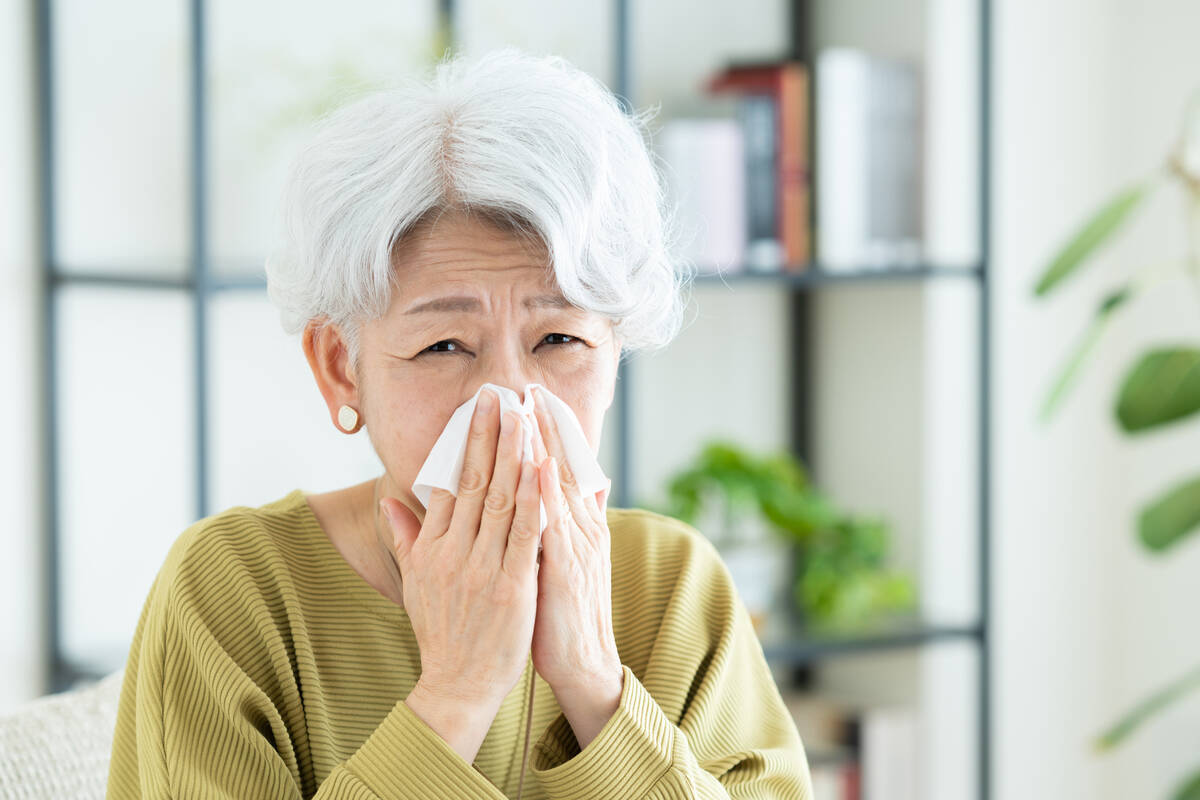
The common cold may be a routine nuisance for many, but for adults over 60, it can pose serious health risks. According to the National Council on Aging, older adults often experience complications when battling even minor illnesses due to a less effective immune response. Experts emphasize the importance of hydration as a critical component of recovery for this demographic.
As adults in the United States typically contract two to three colds each year, primarily from September to May, the effects can be more severe for seniors. Dr. Sandra Petersen, senior vice president at Pegasus Senior Living, highlights that proper hydration is essential for maintaining healthy mucous membranes, which play a vital role in trapping and eliminating viruses.
The Importance of Hydration
Dehydration can exacerbate symptoms and hinder recovery. Dr. Petersen explains that hydration supports immune function by facilitating the transport of nutrients and oxygen within the body. “It also regulates body temperature, flushes out toxins through kidney function, and reduces fatigue,” she notes, warning that dehydration can lead to increased tiredness and headaches.
Dr. Roopa Shah, a family medicine physician at SSM Health, agrees on the necessity of maintaining fluid intake during illness. “Adequate hydration keeps mucous membranes in the nose, throat, and lungs moist,” she says. This helps thin mucus, making it easier to expel through coughing or blowing the nose and thereby reducing congestion. Increased fluid intake can also lower the risk of secondary infections such as bronchitis, sinusitis, and pneumonia.
For those experiencing vomiting or diarrhea, the risk of dehydration escalates. “Electrolyte imbalance can cause weakness, confusion, and even hospitalization if severe,” Petersen warns. Both doctors emphasize that hydration is more than just a comfort measure for older adults; it is crucial for preventing complications and ensuring a safe recovery.
Hydration Tips for Older Adults
Older adults face unique challenges regarding hydration, including a diminished thirst sensation that often accompanies aging. “They may not feel thirsty even when their bodies need fluids,” Petersen explains. Additionally, the natural decline in muscle mass means there is less water stored in their bodies. Some medications also act as diuretics, further increasing fluid loss.
To effectively combat dehydration, it is recommended that older adults consume 6 to 8 cups of water or other liquids daily when healthy. During illness, adding another 1 to 2 cups can significantly aid recovery. A practical guideline is to drink approximately half one’s body weight in ounces. For instance, a person weighing 120 pounds should aim for around 60 ounces of water daily under normal conditions, increasing to 76 to 90 ounces during illness.
Seniors may find appetite diminished when unwell, but Dr. Shah advises gradual liquid intake throughout the day. “The best types of fluids are water and clear, warm liquids such as herbal teas, broths, and soups,” she suggests. These options can soothe sore throats and alleviate coughs. Oral rehydration solutions like Gatorade can be beneficial when experiencing significant fluid losses such as high fevers, diarrhea, or vomiting. However, both doctors caution against consuming caffeinated or alcoholic beverages during illness, as they can lead to increased fluid loss.
In summary, hydration remains a cornerstone of recovery for older adults battling a cold. By prioritizing fluid intake, seniors can support their immune systems and reduce the risk of complications that arise from dehydration.

Robinhood Stock Surges 2.5% Today Amid Tech Market Recovery

Philadelphia’s Earth Month Kicks Off with Free Events in Parks

GSK’s Inhaler Decision Sparks Health Concerns for Children

Bradford’s Fish Fry Fridays Offer Community Spirit and Flavor

Speculation Rises on Shutdowns During Trump’s Potential Presidency

Samsung Galaxy Watch 9 to Feature Larger Battery, Report Reveals

Inventors Find New Purpose Through Unconventional Paths

UConn Huskies Aim for Back-to-Back Titles in 2026 NCAA Tournament

U.S. Mine Countermeasure Ships Dock in Malaysia for Logistics Stop

University of Hawaiʻi at Mānoa Joins $25.6M AI Initiative for Disaster Monitoring

$2.2 Million Boost for Cancer Research and Training in Hawaiʻi

ALMA Discovers Companion Orbiting Red Giant Star π 1 Gruis

Sacituzumab Govitecan Shows Promise for HR+/HER2− Breast Cancer

币安人生 Sees $15.92 Million in Trading Volume Amid Market Fluctuations

New Gel Offers Hope for Regrowing Tooth Enamel in Dentistry

CAVA Group Shares Surge 5.1% Amid Mixed Analyst Ratings

Christian Bale in Talks to Join Leonardo DiCaprio in Heat 2

Supreme Court to Review Birthright Citizenship for Children of Immigrants
-
Science9 months ago
University of Hawaiʻi at Mānoa Joins $25.6M AI Initiative for Disaster Monitoring
-
 Health8 months ago
$2.2 Million Boost for Cancer Research and Training in Hawaiʻi
-
 Science9 months ago
ALMA Discovers Companion Orbiting Red Giant Star π 1 Gruis
-
 Health7 months ago
Sacituzumab Govitecan Shows Promise for HR+/HER2− Breast Cancer
-
Politics5 months ago
币安人生 Sees $15.92 Million in Trading Volume Amid Market Fluctuations
-
 Health9 months ago
New Gel Offers Hope for Regrowing Tooth Enamel in Dentistry
-
 Business8 months ago
CAVA Group Shares Surge 5.1% Amid Mixed Analyst Ratings
-
 Entertainment9 months ago
Christian Bale in Talks to Join Leonardo DiCaprio in Heat 2
-
 Politics8 months ago
Supreme Court to Review Birthright Citizenship for Children of Immigrants
-

 Lifestyle9 months ago
Art Deco and Traditional Designs Set to Transform Homes in 2026
-

 Lifestyle8 months ago
Fernando Mendoza Secures Maxwell and O’Brien Awards Ahead of Heisman
-

 World8 months ago
Swiss Residents Reject 50% Inheritance Tax on Wealthy