
Health
Early Practices Disrupt College Athletes’ Sleep, Ohio Study Finds

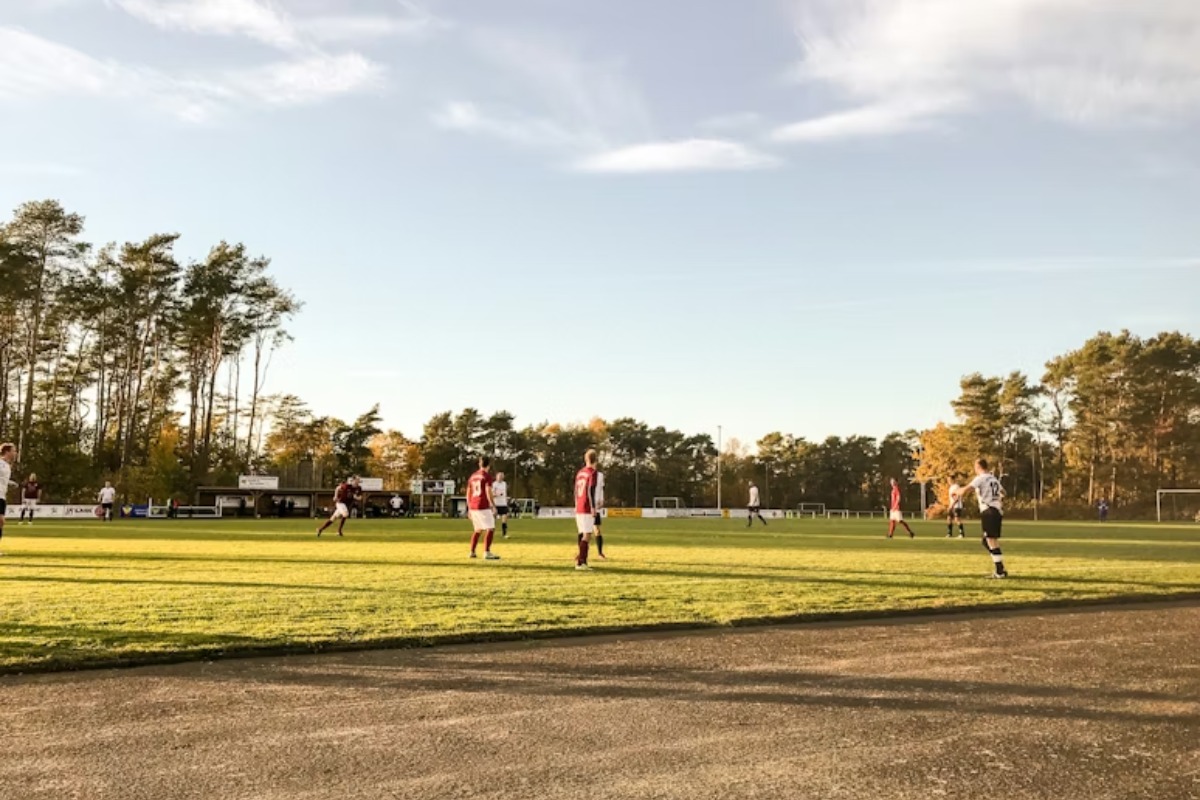
Recent research from Ohio State University indicates that early morning training sessions may adversely affect the sleep health of college athletes. Analysis of over 27,000 sleep records collected over five years reveals that these pre-dawn practices are significantly compromising the rest needed for optimal performance.
The study involved 359 varsity athletes who wore sleep trackers to monitor their rest patterns. Findings show that athletes lose approximately 20 to 30 minutes of sleep on nights preceding practices that typically start before 8 a.m. According to Emaly Vatne, the lead author and a PhD student at Ohio State, “The strength of our study is that we have objective data on a large sample of athletes showing the impact of early practices on sleep.”
Impacts on Sleep Quality and Efficiency
Not only does the quantity of sleep decline, but the quality is also affected. The study found that athletes experienced less efficient sleep and took longer to fall asleep before early workouts. This evidence challenges the common practice of scheduling early training sessions, providing coaches and athletic directors with concrete data to reconsider these routines.
Another key observation from the research is the behavioral change among athletes. When practices were scheduled for the afternoon, athletes tended to stay up more than an hour later than usual. Joshua Hagen, co-author of the study and faculty director of the Ohio State Human Performance Collaborative, noted, “Coaches and others may have this intuition that early practices are not optimal for sleep, but now we have the data to quantify that.”
The Broader Implications for Athletic Performance
The study encompassed athletes from various sports, including football, basketball, ice hockey, and swimming, offering a comprehensive overview of how early practices impact different disciplines. Published in the Journal of Strength and Conditioning Research, these findings highlight the crucial role of sleep in both daily recovery and peak athletic performance.
As sleep becomes increasingly recognized as a vital factor in athletic success, the study raises important questions about how to better align team schedules with athletes’ circadian rhythms. With evidence now supporting the need for change, it may be time for institutions to rethink their training strategies to prioritize athletes’ health and performance.

Robinhood Stock Surges 2.5% Today Amid Tech Market Recovery

Philadelphia’s Earth Month Kicks Off with Free Events in Parks

GSK’s Inhaler Decision Sparks Health Concerns for Children

Bradford’s Fish Fry Fridays Offer Community Spirit and Flavor

Speculation Rises on Shutdowns During Trump’s Potential Presidency

Samsung Galaxy Watch 9 to Feature Larger Battery, Report Reveals

Inventors Find New Purpose Through Unconventional Paths

UConn Huskies Aim for Back-to-Back Titles in 2026 NCAA Tournament

U.S. Mine Countermeasure Ships Dock in Malaysia for Logistics Stop

University of Hawaiʻi at Mānoa Joins $25.6M AI Initiative for Disaster Monitoring

$2.2 Million Boost for Cancer Research and Training in Hawaiʻi

ALMA Discovers Companion Orbiting Red Giant Star π 1 Gruis

Sacituzumab Govitecan Shows Promise for HR+/HER2− Breast Cancer

币安人生 Sees $15.92 Million in Trading Volume Amid Market Fluctuations

New Gel Offers Hope for Regrowing Tooth Enamel in Dentistry

CAVA Group Shares Surge 5.1% Amid Mixed Analyst Ratings

Christian Bale in Talks to Join Leonardo DiCaprio in Heat 2

Supreme Court to Review Birthright Citizenship for Children of Immigrants
-
Science9 months ago
University of Hawaiʻi at Mānoa Joins $25.6M AI Initiative for Disaster Monitoring
-
 Health8 months ago
$2.2 Million Boost for Cancer Research and Training in Hawaiʻi
-
 Science9 months ago
ALMA Discovers Companion Orbiting Red Giant Star π 1 Gruis
-
 Health7 months ago
Sacituzumab Govitecan Shows Promise for HR+/HER2− Breast Cancer
-
Politics5 months ago
币安人生 Sees $15.92 Million in Trading Volume Amid Market Fluctuations
-
 Health9 months ago
New Gel Offers Hope for Regrowing Tooth Enamel in Dentistry
-
 Business8 months ago
CAVA Group Shares Surge 5.1% Amid Mixed Analyst Ratings
-
 Entertainment9 months ago
Christian Bale in Talks to Join Leonardo DiCaprio in Heat 2
-
 Politics8 months ago
Supreme Court to Review Birthright Citizenship for Children of Immigrants
-

 Lifestyle9 months ago
Art Deco and Traditional Designs Set to Transform Homes in 2026
-

 Lifestyle8 months ago
Fernando Mendoza Secures Maxwell and O’Brien Awards Ahead of Heisman
-

 World8 months ago
Swiss Residents Reject 50% Inheritance Tax on Wealthy