
Health
Exploring the Rise of Creatine: From Controversy to Popularity

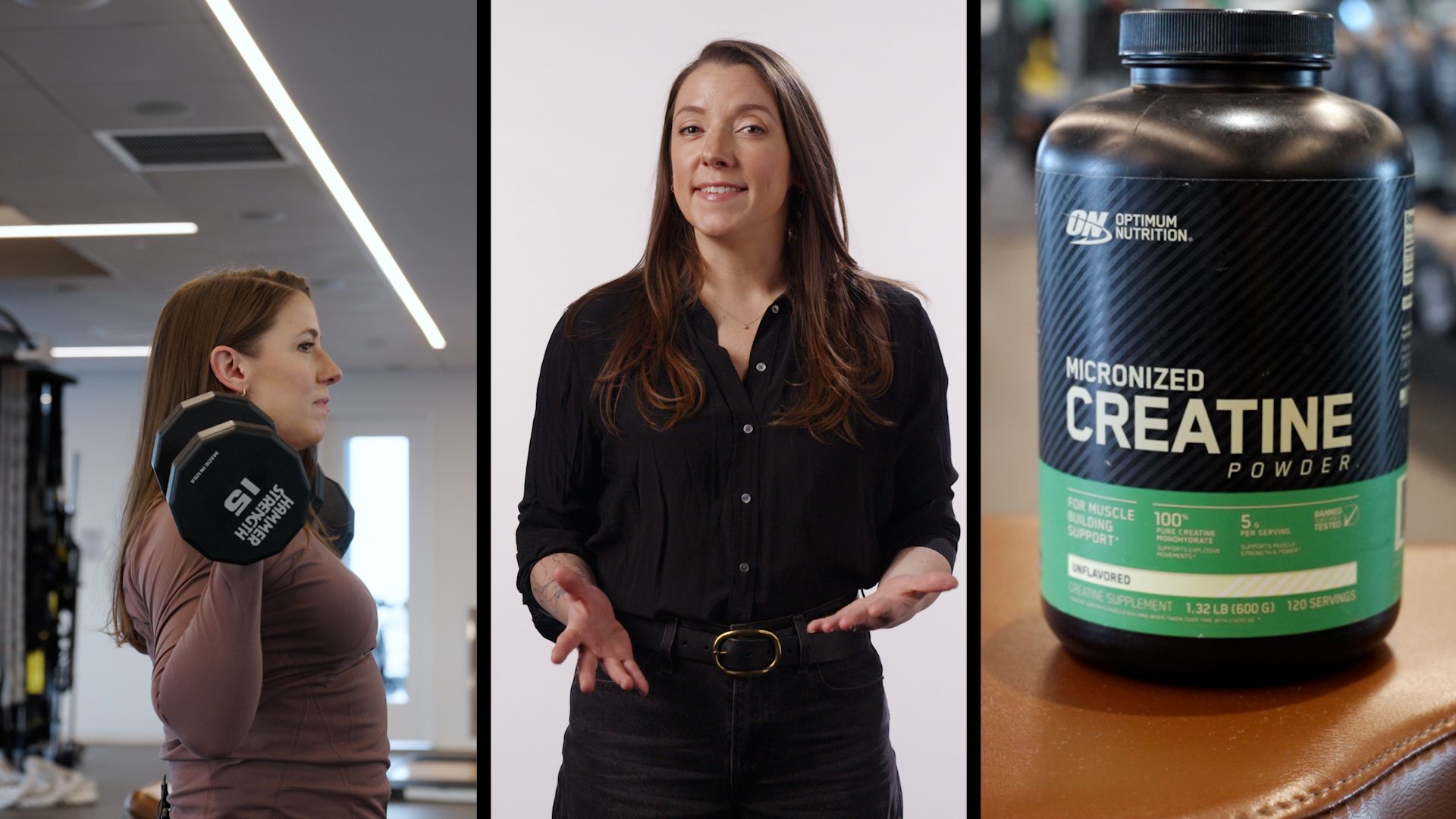
The popularity of creatine has surged in recent months, captivating fitness enthusiasts and casual gym-goers alike. Once viewed as a controversial supplement primarily associated with athletes, especially following its link to performance-enhancing scandals, creatine is now being widely endorsed by health influencers and experts for its potential benefits beyond muscle building.
As the wellness industry continues to expand, the allure of creatine has reached new heights. This spring, a casual conversation about the supplement prompted a deeper exploration into its benefits, particularly as more individuals share their experiences online. The marketing surrounding creatine often emphasizes its ability to build muscle, aid recovery, and even enhance mood, making it appealing to a broad audience.
According to data from Jungle Scout, sales of creatine are projected to grow by 18% in 2024, surpassing $424 million. This boom reflects a growing acceptance of creatine, particularly among those seeking to improve their fitness and cognitive performance. Creatine is not a steroid, as some might assume, but a naturally occurring compound found in the body, mainly produced by the liver and kidneys, and also present in meat and dairy products.
Research has indicated that creatine supplementation may offer additional benefits, including potential improvements in mood and memory, particularly for women and older individuals. As noted by Michael Fredericson, a doctor of sports medicine at Stanford University, “I’m a big, big proponent of creatine.” He emphasizes that it is safe and effective for all age groups, and there are minimal downsides to its use.
The narrative surrounding creatine changed significantly after its association with former baseball star Mark McGwire, who publicly acknowledged using the supplement during his career. This connection, particularly during the home run race of 1998 with Sammy Sosa, led to misconceptions about the substance, as it became intertwined with discussions of steroids and performance enhancement. Despite this, creatine has regained credibility as more research has emerged detailing its benefits.
As personal experiences with creatine unfold, many users report subtle yet noticeable improvements in their workouts. For instance, after incorporating creatine into a daily routine, one individual noted a slight increase in strength and reduced fatigue during workouts. This aligns with findings that suggest creatine can help athletes generate energy during intense physical activities.
While the initial skepticism surrounding creatine has begun to fade, it is important to approach supplementation with caution. Consulting with a healthcare professional prior to starting any new supplement regimen is advisable, although many users report positive experiences without prior consultation.
Furthermore, the cognitive benefits of creatine have been supported by recent studies. A 2023 publication suggested that creatine supplementation could positively affect cognitive function in adults, enhancing memory and attention. Another study highlighted its potential benefits specifically for women, indicating that it may help restore brain energy levels.
While the benefits of creatine are becoming more widely recognized, it is essential to note that results can vary among individuals. Some users feel that their cognitive function improves while others remain uncertain about the supplement’s impact on their mental clarity and memory.
As creatine continues to gain traction in the wellness community, its reputation is evolving. Whether viewed as a performance enhancer or a cognitive aid, the supplement appears poised for continued growth. With a robust market and emerging research supporting its benefits, creatine is likely to remain a staple among fitness enthusiasts and health-conscious individuals alike.
In summary, the resurgence of creatine reflects broader trends in the wellness industry, where the quest for optimal health often intersects with marketing strategies. As consumers navigate the myriad of supplements available, understanding the science and potential benefits behind creatine can aid in making informed choices about personal health and fitness goals.

Robinhood Stock Surges 2.5% Today Amid Tech Market Recovery

Philadelphia’s Earth Month Kicks Off with Free Events in Parks

GSK’s Inhaler Decision Sparks Health Concerns for Children

Bradford’s Fish Fry Fridays Offer Community Spirit and Flavor

Speculation Rises on Shutdowns During Trump’s Potential Presidency

Samsung Galaxy Watch 9 to Feature Larger Battery, Report Reveals

Inventors Find New Purpose Through Unconventional Paths

UConn Huskies Aim for Back-to-Back Titles in 2026 NCAA Tournament

U.S. Mine Countermeasure Ships Dock in Malaysia for Logistics Stop

University of Hawaiʻi at Mānoa Joins $25.6M AI Initiative for Disaster Monitoring

$2.2 Million Boost for Cancer Research and Training in Hawaiʻi

ALMA Discovers Companion Orbiting Red Giant Star π 1 Gruis

Sacituzumab Govitecan Shows Promise for HR+/HER2− Breast Cancer

币安人生 Sees $15.92 Million in Trading Volume Amid Market Fluctuations

New Gel Offers Hope for Regrowing Tooth Enamel in Dentistry

CAVA Group Shares Surge 5.1% Amid Mixed Analyst Ratings

Christian Bale in Talks to Join Leonardo DiCaprio in Heat 2

Supreme Court to Review Birthright Citizenship for Children of Immigrants
-
Science9 months ago
University of Hawaiʻi at Mānoa Joins $25.6M AI Initiative for Disaster Monitoring
-
 Health7 months ago
$2.2 Million Boost for Cancer Research and Training in Hawaiʻi
-
 Science9 months ago
ALMA Discovers Companion Orbiting Red Giant Star π 1 Gruis
-
 Health7 months ago
Sacituzumab Govitecan Shows Promise for HR+/HER2− Breast Cancer
-
Politics5 months ago
币安人生 Sees $15.92 Million in Trading Volume Amid Market Fluctuations
-
 Health9 months ago
New Gel Offers Hope for Regrowing Tooth Enamel in Dentistry
-
 Business8 months ago
CAVA Group Shares Surge 5.1% Amid Mixed Analyst Ratings
-
 Entertainment8 months ago
Christian Bale in Talks to Join Leonardo DiCaprio in Heat 2
-
 Politics8 months ago
Supreme Court to Review Birthright Citizenship for Children of Immigrants
-

 Lifestyle8 months ago
Art Deco and Traditional Designs Set to Transform Homes in 2026
-

 Lifestyle8 months ago
Fernando Mendoza Secures Maxwell and O’Brien Awards Ahead of Heisman
-

 World8 months ago
Swiss Residents Reject 50% Inheritance Tax on Wealthy