
Health
FDA Drug Approval Process Faces Significant Slowdown

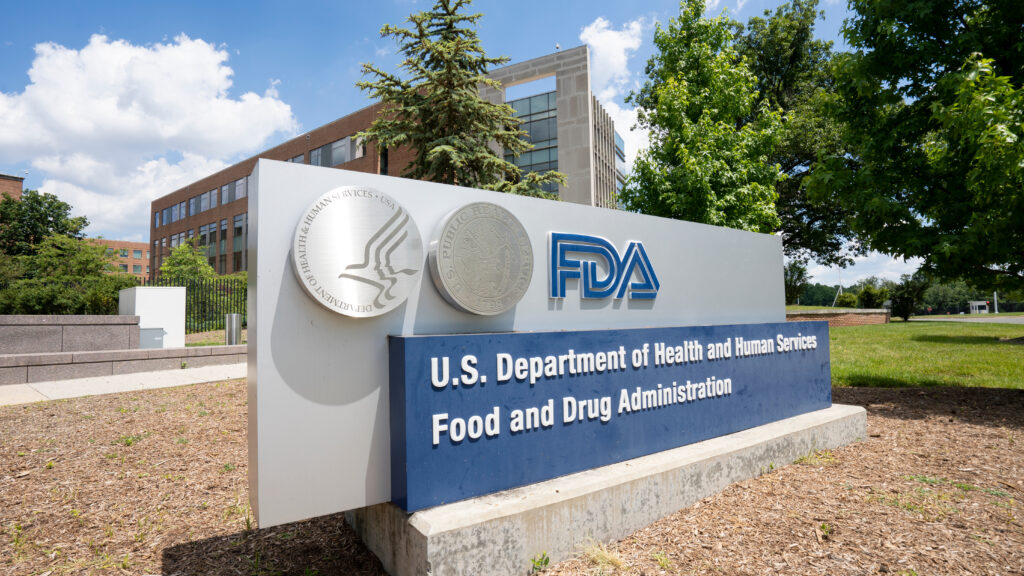
The Food and Drug Administration (FDA) is experiencing a slowdown in its drug approval process, significantly impacting the pharmaceutical industry. An analysis conducted by analysts at RBC Capital Markets revealed that the agency’s performance metrics have deteriorated in the recently concluded third quarter of 2023. This trend includes a notable decline in the approval rate of new drugs, an increase in rejected marketing applications, and a rise in delays for application reviews.
In the third quarter, the drug approval rate fell to 73%, a sharp decrease from an average of 87% recorded over the previous six quarters. This decline raises concerns among pharmaceutical companies that rely on the FDA’s timely evaluations to bring new treatments to market. The analysis also reported that the rate of rejected marketing applications surged to 15%, exceeding the historical average of 10%.
Delays in the review process have become more pronounced as well. The FDA failed to meet deadlines for completing application reviews in 11% of cases, a significant increase from the typical rate of 4%. These delays can have substantial implications for drug manufacturers, impacting their revenue and timelines for product launches.
The changes in the FDA’s operational efficiency come at a crucial time for the pharmaceutical sector, which has been navigating a complex landscape characterized by intense competition and regulatory scrutiny. With more rejected applications and extended review times, companies may face challenges in achieving their development goals and maintaining investor confidence.
As the FDA adjusts its processes and responses to evolving industry demands, stakeholders will be closely monitoring how these changes affect the broader market. The implications of this slowdown could resonate throughout the healthcare system, ultimately influencing the availability of new medications for patients in need.
The heightened scrutiny from the FDA reflects broader challenges within regulatory frameworks, raising questions about the future of drug development in the United States. As pharmaceutical companies adapt to these new realities, their ability to innovate and respond to patient needs will be put to the test.

Robinhood Stock Surges 2.5% Today Amid Tech Market Recovery

Philadelphia’s Earth Month Kicks Off with Free Events in Parks

GSK’s Inhaler Decision Sparks Health Concerns for Children

Bradford’s Fish Fry Fridays Offer Community Spirit and Flavor

Speculation Rises on Shutdowns During Trump’s Potential Presidency

Samsung Galaxy Watch 9 to Feature Larger Battery, Report Reveals

Inventors Find New Purpose Through Unconventional Paths

UConn Huskies Aim for Back-to-Back Titles in 2026 NCAA Tournament

U.S. Mine Countermeasure Ships Dock in Malaysia for Logistics Stop

University of Hawaiʻi at Mānoa Joins $25.6M AI Initiative for Disaster Monitoring

$2.2 Million Boost for Cancer Research and Training in Hawaiʻi

ALMA Discovers Companion Orbiting Red Giant Star π 1 Gruis

Sacituzumab Govitecan Shows Promise for HR+/HER2− Breast Cancer

币安人生 Sees $15.92 Million in Trading Volume Amid Market Fluctuations

New Gel Offers Hope for Regrowing Tooth Enamel in Dentistry

CAVA Group Shares Surge 5.1% Amid Mixed Analyst Ratings

Christian Bale in Talks to Join Leonardo DiCaprio in Heat 2

Supreme Court to Review Birthright Citizenship for Children of Immigrants
-
Science9 months ago
University of Hawaiʻi at Mānoa Joins $25.6M AI Initiative for Disaster Monitoring
-
 Health7 months ago
$2.2 Million Boost for Cancer Research and Training in Hawaiʻi
-
 Science9 months ago
ALMA Discovers Companion Orbiting Red Giant Star π 1 Gruis
-
 Health7 months ago
Sacituzumab Govitecan Shows Promise for HR+/HER2− Breast Cancer
-
Politics5 months ago
币安人生 Sees $15.92 Million in Trading Volume Amid Market Fluctuations
-
 Health9 months ago
New Gel Offers Hope for Regrowing Tooth Enamel in Dentistry
-
 Business8 months ago
CAVA Group Shares Surge 5.1% Amid Mixed Analyst Ratings
-
 Entertainment9 months ago
Christian Bale in Talks to Join Leonardo DiCaprio in Heat 2
-
 Politics8 months ago
Supreme Court to Review Birthright Citizenship for Children of Immigrants
-

 Lifestyle8 months ago
Art Deco and Traditional Designs Set to Transform Homes in 2026
-

 Lifestyle8 months ago
Fernando Mendoza Secures Maxwell and O’Brien Awards Ahead of Heisman
-

 World8 months ago
Swiss Residents Reject 50% Inheritance Tax on Wealthy